

MoldNews Featured Articles

Top News
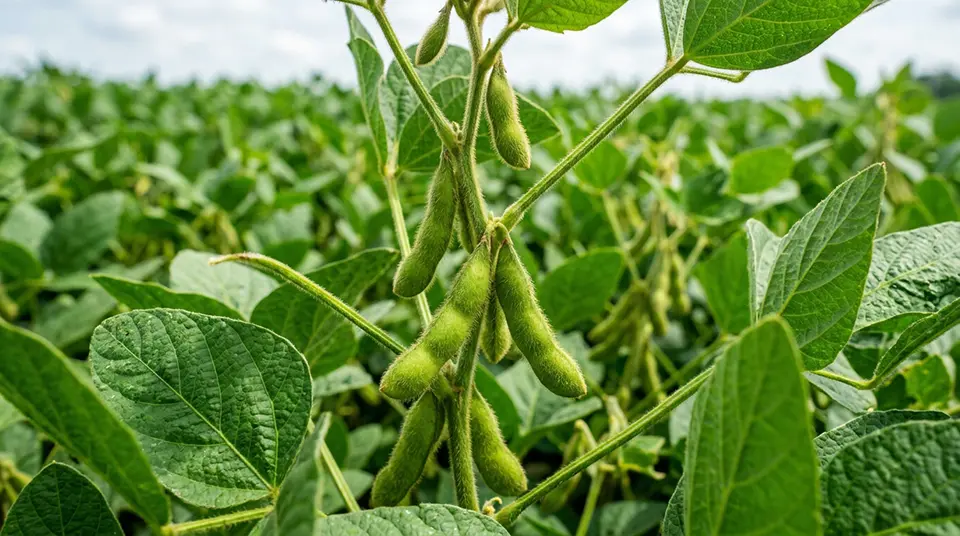
White Mold Threat Increases as Soybean Canopies Close

Stanford Researchers Explore Fungi as a Sustainable Food Source

UPenn Gene-Editing Tool Unlocks New Fungal Molecules With Early Anti-Cancer Potential
Corn Products Linked to Estrogen-Like Mold Toxin Exposure During Pregnancy
Fungi-Based Materials Could Offer Renewable Alternatives to Petrochemicals
Shaving Foam May Help Remove Makeup Stains, but Results Vary
Knowledge Resources
Categories



Knowledge Resources
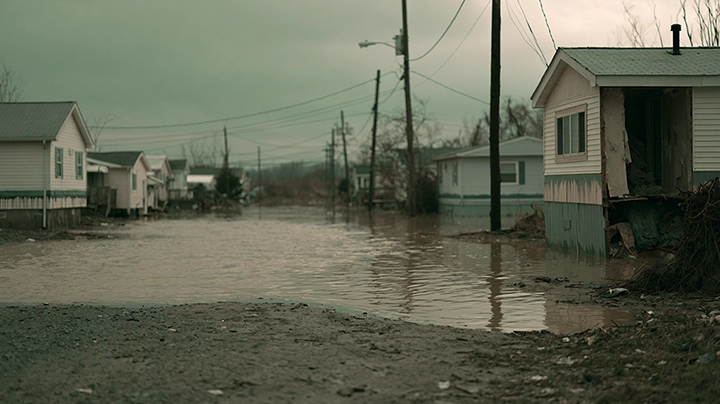
Texas Floods: 5 Mold Risks After the Water Recedes
Flash flooding in Texas creates conditions where mold can develop rapidly in homes and buildings. Here are five key risks to understand after the water recedes, and how to respond within the…
Share
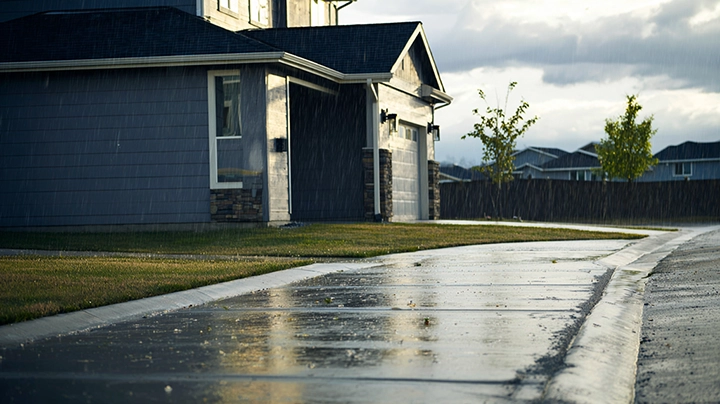
5 Ways to Prevent Flood Damage Before Heavy Rain Arrives
Most flood damage is preventable with steps taken before heavy rain arrives. From improving drainage to protecting stored items and managing indoor humidity, here is what to do now.
Share
5 Ways Climate Zones Change Mold Risk After Flooding
Flooding does not create the same mold risk everywhere. Learn how climate, humidity, and building design shape post-flood mold outcomes — from hot-climate Texas to India's monsoon season.
Share
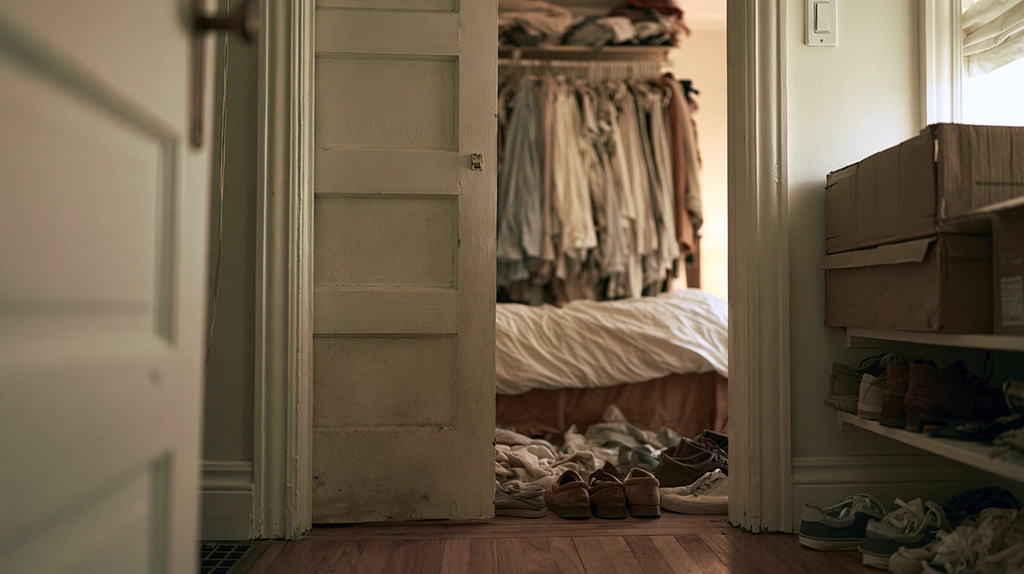
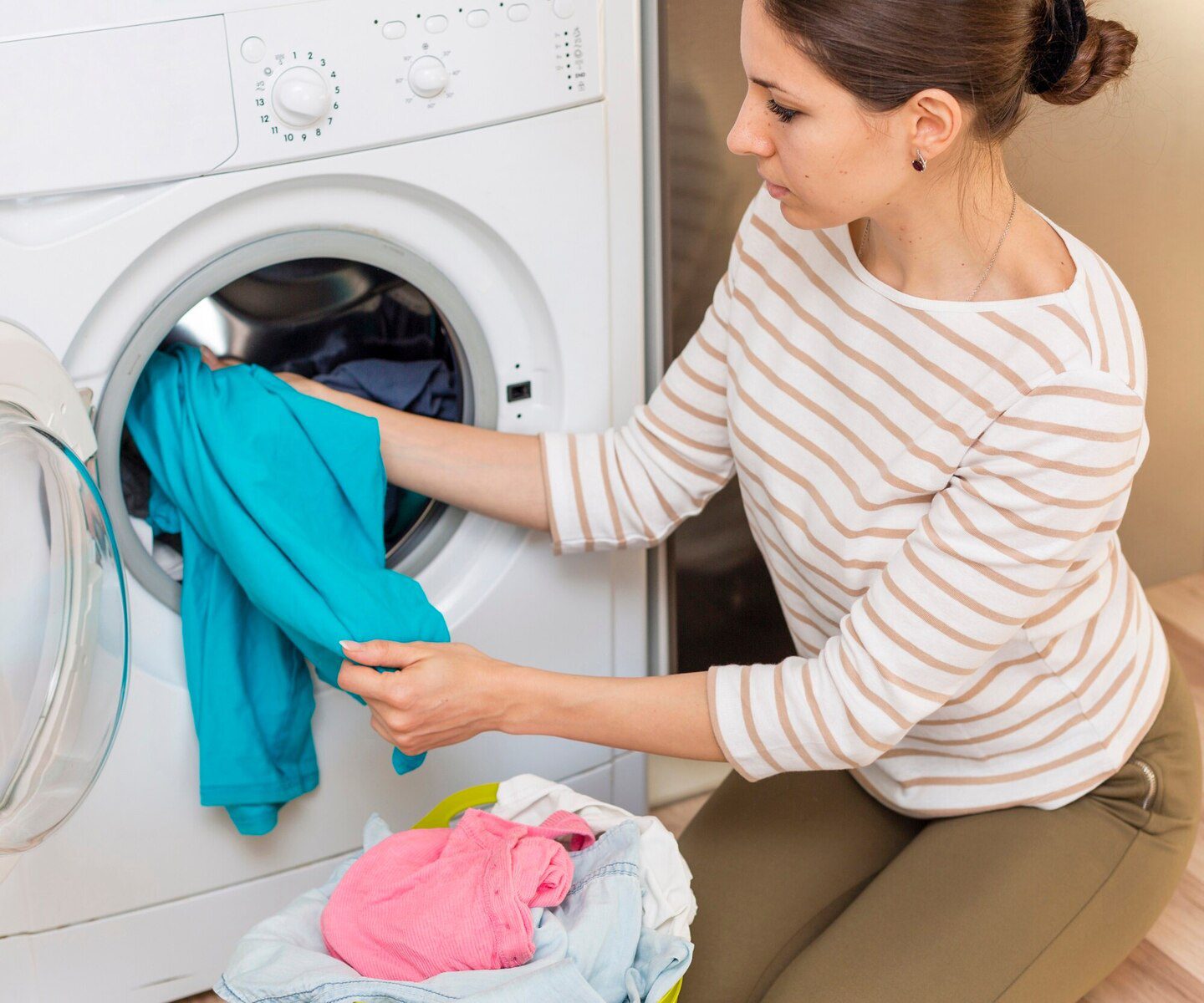
5 Reasons Your Closet Smells Musty After Humid Weather
A musty closet after humid weather is almost always a moisture problem in disguise. Here are five reasons it happens and what to do before the smell — and the mold — comes back.
Share
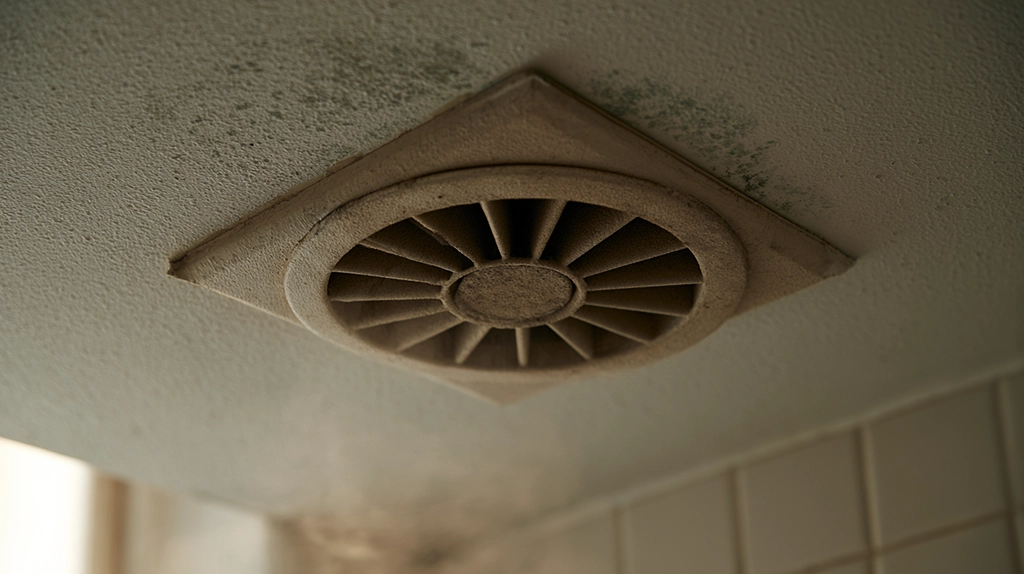
Bathroom Exhaust Fan Mold: What That Musty Smell Means
A musty smell near your bathroom exhaust fan is almost always a moisture signal. Here is what causes it, how to check whether your fan is working, and what to do before the problem spreads.
Share
5 Things to Know Before Calling It Black Mold
Not every dark stain is Stachybotrys chartarum. Before labeling something "black mold," these five facts can help you understand what you are looking at and what to do next.
Share

5 Ways Cladosporium herbarum Rides the Seasons Indoors
Cladosporium herbarum is one of the most common airborne molds that moves between outdoor environments and indoor spaces with the seasons. Understanding how it enters and settles can help you…
Share
Trusted Mold and Fungi Research Resources: A Curated Reference List
A curated list of trusted mold and fungi research resources — including WHO, CDC, EPA, PubMed, MycoBank, key mycology journals, industry standards, and peer-reviewed research published by the…
Share

Candida auris: Why Hospitals Take This Tiny Yeast Seriously
Candida auris is a drug-resistant yeast that spreads silently between patients in healthcare settings, persisting on surfaces and equipment where standard disinfectants may fail. This is what…
Share
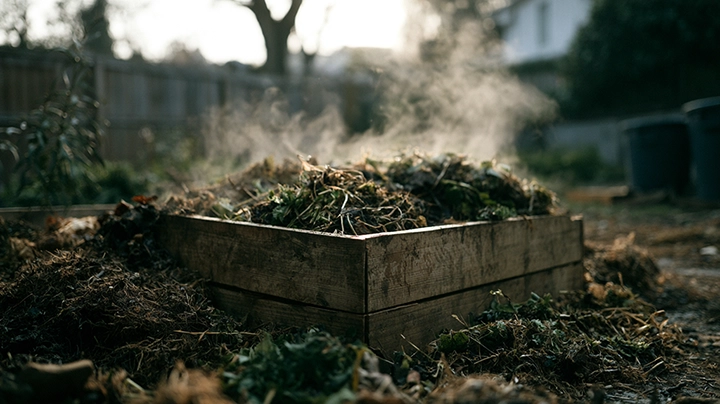
Aspergillus fumigatus: The Compost Mold Medicine Takes Seriously
Aspergillus fumigatus is a heat-tolerant decomposer found in compost, soil, and organic debris — and one of the most medically significant airborne fungi for people with weakened immunity.…
Share