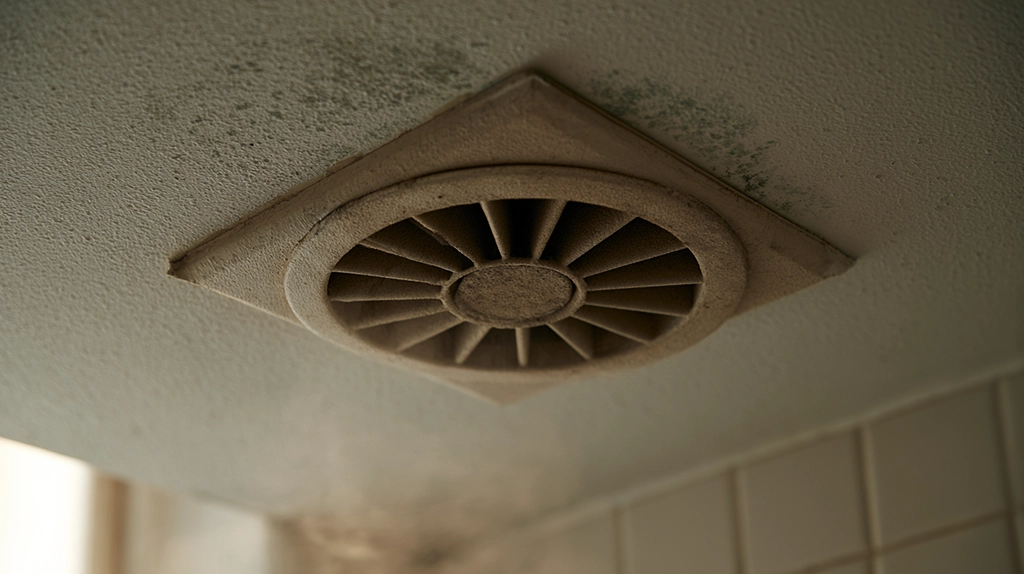
Open a window on a warm afternoon and something invisible may follow the breeze inside. Cladosporium herbarum is one of the most common airborne molds in temperate climates — primarily an outdoor species that enters homes through open windows, ventilation, clothing, and pets. For most people it is simply part of the indoor air background. For those with mold allergy or asthma, it can become a recurring irritant that tracks the seasons.
1. It Travels Indoors Through Everyday Air Exchange
C. herbarum spores are dry, light, and built for long-distance air travel. They drift through open windows and doors, cling to outdoor clothing and pet fur, and move with ventilation currents throughout the day. No special event triggers their entry — ordinary indoor-outdoor air exchange is enough. Complete exclusion is not realistic. What matters is whether indoor conditions — moisture, dust, limited airflow — give settled spores a reason to grow.
2. Its Outdoor Season Shapes Indoor Exposure
In its natural habitat, C. herbarum colonizes decaying leaves, plant stems, soil, and organic debris. Outdoor spore counts tend to rise as plant material breaks down, particularly in late summer and autumn. In temperate climates, outdoor concentrations can be high enough to influence indoor air even when windows are closed.
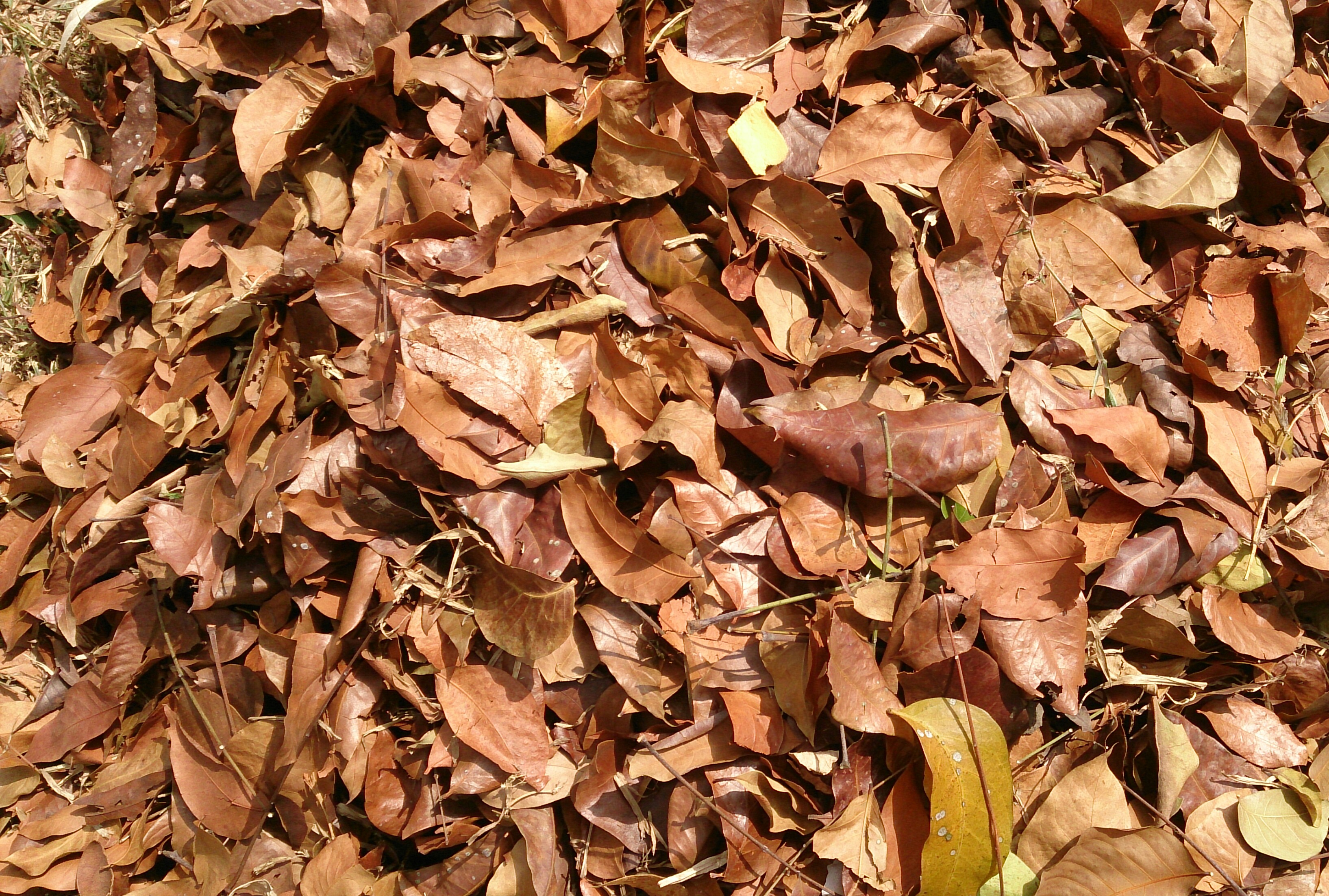
Garden activities amplify exposure. Raking leaves, handling compost, or bringing in cut flowers temporarily raises the number of spores entering the home through its main entry points. Removing shoes and dusty outer clothing at the door after outdoor work is a simple way to reduce what comes inside.
3. Indoors, It Finds Moisture and Dust
Spores entering a dry, well-ventilated home rarely establish colonies. The risk rises where moisture and organic material meet: window frames collecting condensation, carpets in poorly ventilated rooms, bathroom grout and caulk, wallpaper backing, and HVAC systems carrying dusty air. C. herbarum does not require dramatic water damage — modest, repeated humidity is often enough. Basements and rooms with limited airflow are especially vulnerable.
4. It Is One of the Most Common Mold Allergens
Cladosporium appears in allergy testing panels because of how frequently it sensitizes people. Sensitive individuals may experience sneezing, nasal congestion, itchy or watery eyes, coughing, or throat irritation during high-spore periods. Those with asthma may notice flare-ups that correlate with outdoor spore seasons or time spent in damp, dusty rooms.

Not everyone reacts. Many people with regular C. herbarum exposure never develop symptoms. The concern applies mainly to individuals with mold sensitivity, respiratory conditions, or weakened immune systems — and understanding seasonal spore patterns can help reduce unnecessary exposure.
5. Practical Steps Lower Indoor Exposure
Because outdoor spores are the primary source, indoor reduction focuses on limiting entry and eliminating growth conditions. Keep indoor humidity below 55 percent. Fix leaks and condensation promptly. Clean dust from window frames, carpets, shelves, and HVAC filters regularly. During peak outdoor spore seasons, people with mold sensitivity may benefit from keeping windows closed during high-exposure periods.
If dark mold spots appear indoors — even small ones on window frames, grout, or bathroom surfaces — treat them as moisture signals rather than isolated cleaning problems. Address the damp source, clean hard surfaces carefully, and discard porous materials that cannot be fully dried. Dust and persistent humidity are enough for C. herbarum to find a foothold — a home does not need visible flooding.
Frequently Asked Questions
What is Cladosporium herbarum?
Cladosporium herbarum is a filamentous fungus and one of the most common airborne molds in temperate climates. It colonizes decaying plant material outdoors and enters homes primarily through air exchange, clothing, and pets.
Does Cladosporium cause illness?
For most people, indoor C. herbarum exposure causes no symptoms. It is one of the most recognized mold allergens, however, and can trigger sneezing, nasal congestion, and eye irritation in sensitive individuals. Those with asthma may experience flare-ups during high-spore seasons.
How do I know if Cladosporium is growing indoors?
C. herbarum typically appears as dark olive-green to brown-black patches on persistently damp surfaces — window frames, grout, wallpaper, and HVAC components. A musty odor in rooms with limited airflow may suggest growth, though air or surface sampling is needed for confirmation.
How do I reduce Cladosporium indoors?
Keep indoor humidity below 55 percent, fix condensation and leaks promptly, and clean HVAC filters regularly. Removing outdoor clothing and shoes at the door after garden work reduces spore entry. During peak outdoor spore season, limiting open-window ventilation can help for particularly sensitive individuals.