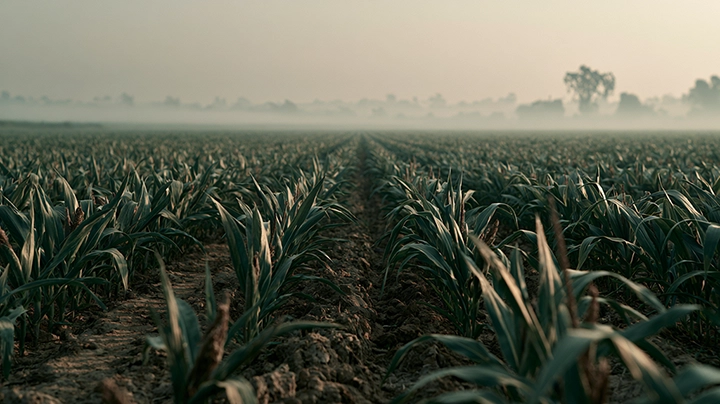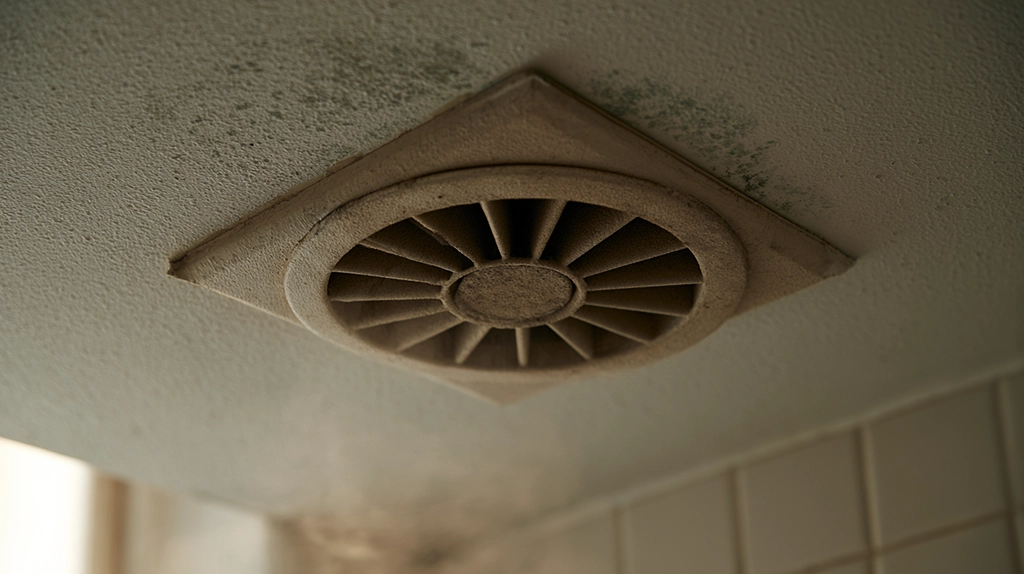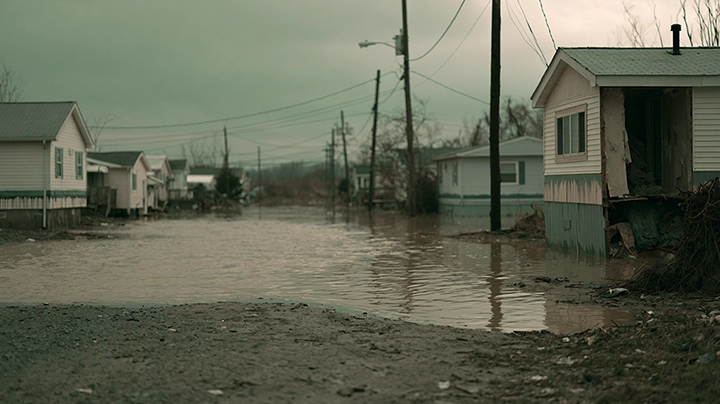
Flooding creates the same immediate crisis everywhere: remove the water, protect lives, assess the damage, and begin recovery. But after floodwater recedes, mold risk does not develop the same way in every location. Temperature, humidity, repeated rainfall, building design, ventilation, and access to drying equipment all determine whether a flooded building can dry before fungal growth takes hold. Here is what climate and building type actually mean for post-flood mold outcomes.
1. Floodwater Changes the Indoor Environment Before Mold Arrives
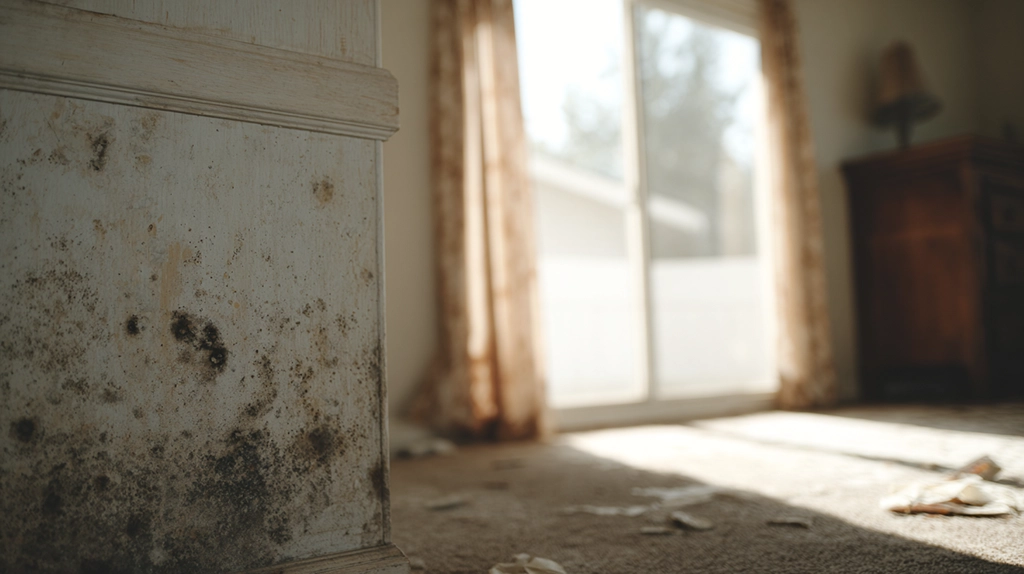
Mold spores are already present in outdoor and indoor air, settling on walls, flooring, furniture, wood, paper, and dust without always growing. Flooding changes the indoor environment by adding sustained moisture to all of those surfaces at once. The key question after a flood is not only “Was there water?” It is “Can this building dry fast enough?”
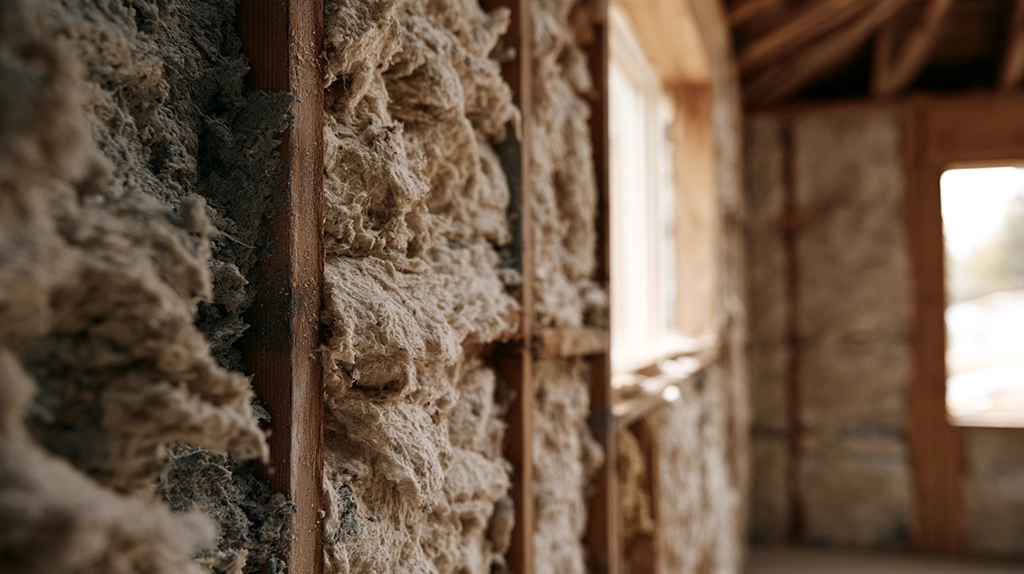
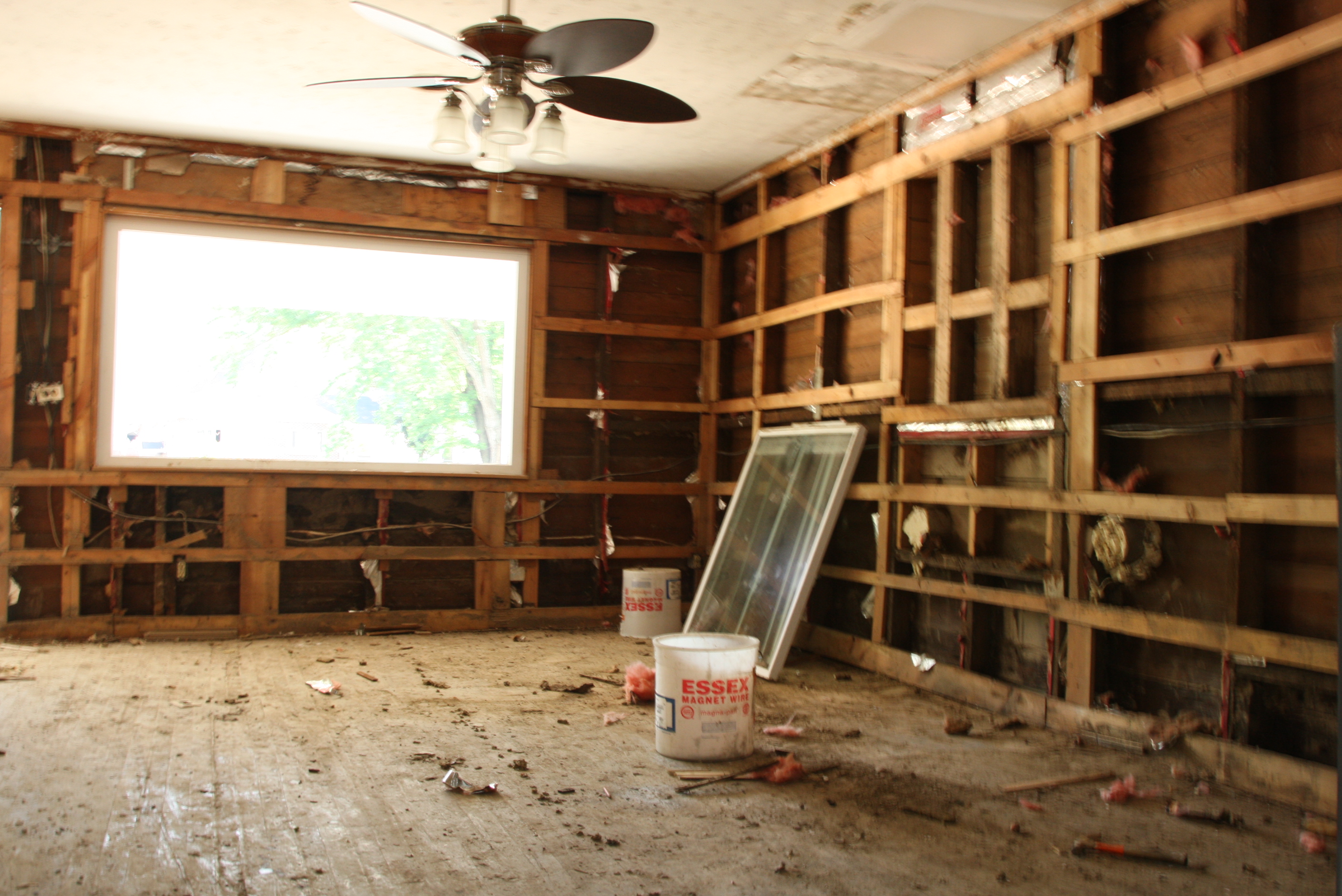
Drywall, timber, insulation, carpets, cardboard, upholstered furniture, and composite wood products absorb water quickly. Even after visible floodwater is removed, these materials may remain saturated inside. Moisture also migrates into hidden spaces — wall cavities, subflooring, ceiling voids, crawl spaces, cabinets, and ventilation systems — where it cannot be seen from the finished surface. A room can look dry while mold-supporting moisture remains concealed inside the building envelope.
2. Hot Climates Do Not Guarantee Safe Drying
Texas shows an important lesson: heat alone does not ensure a flooded building will dry safely. Warm air increases evaporation from exposed surfaces, but high outdoor humidity simultaneously slows drying because the air is already holding moisture near capacity. Closed buildings, power outages, damaged air-conditioning, wet insulation, and repeated rainfall can all keep indoor materials persistently damp even in a warm climate.
Air-conditioning helps remove moisture when operating correctly — but damaged equipment, blocked drainage, contaminated ducts, or poor temperature control can create condensation or distribute particles through the building. The danger is assuming that heat will resolve the drying problem by itself. A flooded building in a hot climate still requires water extraction, controlled ventilation, dehumidification, removal of saturated porous materials, and inspection behind walls and beneath floors. Heat helps only when moisture is actually removed, not merely when temperatures are high.
3. Monsoon and Humid Regions Face Interrupted Drying Cycles
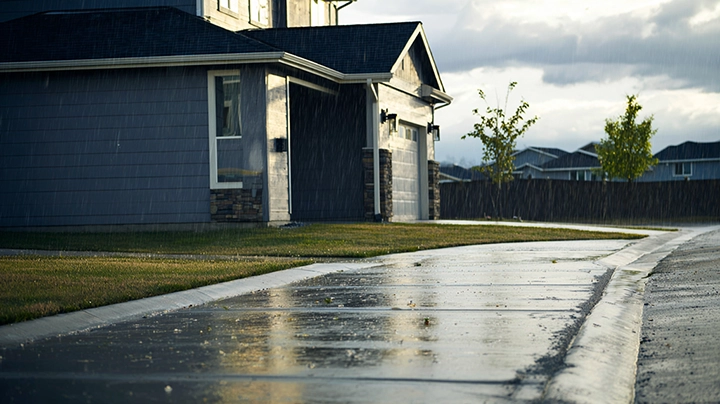
Ambala in northern India and the Ulhas River region of Maharashtra face a different challenge: repeated monsoon rainfall can interrupt the drying cycle before building materials fully recover. Cleanup begins after one flood event, humidity rises again, and new rainfall brings moisture back before the building has dried. The pattern can repeat multiple times within a single season.
Opening windows may provide airflow, but during active monsoon conditions it can also introduce warm, moisture-laden outdoor air into a building already struggling to dry. In densely occupied homes, schools, markets, and storage rooms, wet materials may not be removed quickly enough to break the cycle. Tropical and monsoon environments can keep entire buildings damp — not just isolated wet objects. Ground-floor walls, cupboards, mattresses, stored clothing, woodwork, plaster, and service cavities may remain moisture-prone long after floodwater retreats. Continuous drying time, not just cleanup effort, is the real constraint in these regions.
4. Building Design Decides the Final Outcome
Missouri flooding illustrates why basements and crawl spaces are high-risk areas regardless of climate. Saturated soil, repeated storms, humid air, foundation cracks, seepage, and limited ventilation can keep lower building levels damp even after exposed surfaces appear clean. Concrete or masonry construction does not provide automatic protection: plaster, paint, wood trim, furniture, textiles, cardboard, ceiling materials, and hidden cavities may all retain moisture and support fungal growth.
A well-managed building in a tropical climate may recover better than a poorly dried building in a cooler one. The variable is not geography alone but the combination of flood depth, water type, building materials, previous moisture history, airflow, electricity access, drying equipment, cleanup speed, and reconstruction timing. Post-flood mold risk is best understood as: flood exposure + climate + building design + moisture duration + cleanup response.

5. Cleanup Decisions Must Reflect Local Climate Conditions
The standard post-flood response applies everywhere — remove standing water as soon as safe, separate wet and dry materials, discard porous items that cannot be cleaned and dried, and use dehumidification with airflow when possible. But the timeline and urgency differ by climate. In hot and humid regions, the window before fungal growth establishes itself may be shorter because higher ambient temperatures can accelerate mold growth once moisture is available. In monsoon regions, drying equipment may need to run continuously because outdoor conditions do not provide a reliable dry period between rain events.
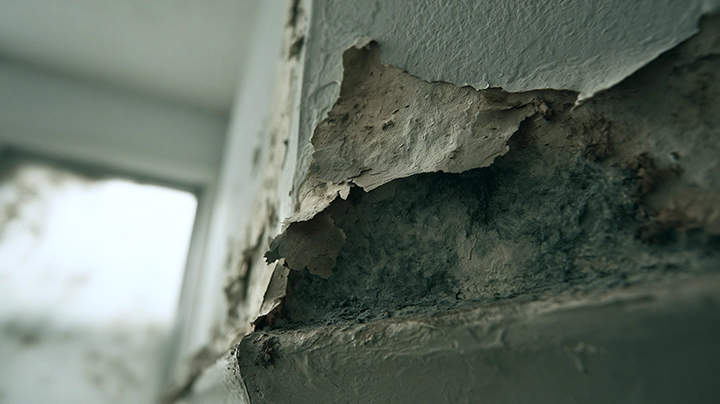
After any flood, check walls, floors, cabinets, insulation, crawl spaces, and ventilation systems for hidden moisture. Watch for musty odor, peeling paint, swollen wood, staining, or persistent indoor humidity. Avoid rebuilding over damp materials — painting over contamination is cosmetic, and closing walls before cavities are dry seals moisture in. Call professionals for sewage-related water damage, large mold areas, hidden moisture behind walls, HVAC contamination, or structural damage. Climate shapes the timeline. The fundamental requirement — dry the building completely before reconstruction — does not change.
Frequently Asked Questions
What makes flooding a mold risk even after the water is removed?
Floodwater saturates porous building materials — drywall, insulation, wood framing, carpets, and furniture — that do not dry simply because standing water is pumped out. Moisture migrates into wall cavities, subflooring, and crawl spaces where it can persist for weeks. Mold spores already present in the building can begin growing on these damp surfaces before the room looks wet from the outside.
Does living in a hot climate reduce mold risk after flooding?
Not necessarily. High ambient temperatures can support evaporation, but high humidity in many warm climates slows drying at the same time. Damaged air-conditioning, power outages, and wet insulation can all keep indoor materials damp even in a hot environment. Effective drying depends on moisture removal, not temperature alone.
Why is post-flood mold prevention harder in monsoon regions?
Repeated rainfall and sustained high outdoor humidity can interrupt the drying cycle before building materials fully recover. New moisture enters the building before previous flood damage has dried, creating a cumulative dampness problem. Buildings in these regions often need continuous mechanical dehumidification rather than relying on natural ventilation, which may bring in more moisture during active monsoon weather.
What is the most important step to prevent mold after a flood?
Complete drying before any reconstruction begins. Painting over damp materials, laying new flooring over a wet subfloor, or closing walls before cavities are fully dry seals moisture in and creates the conditions mold needs to grow. Remove saturated porous materials that cannot be reliably dried, correct any ongoing moisture source, and verify dryness throughout the building structure before rebuilding.