
Why Mold Happens Around the World
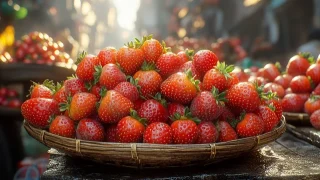
Let’s begin in a moment many know too well: standing over the kitchen sink, sorting through a bag of strawberries bought just hours ago. A soft one squishes between your fingers. Another reveals a thin layer of fuzz. You sigh—not just because of the waste, but because you trusted it was safe. Mold, it turns out, doesn’t wait. It doesn’t care how fresh something looks or how sweet it smells. It’s global, indiscriminate, and opportunistic. It creeps into our bread, sits quietly on fruit, and waits patiently in juice bottles and health drinks. All it needs is a bit of moisture, a few warm hours, and no one watching. And in the case of strawberries sold by street vendors? Mold doesn’t just sneak in—it thrives.

This is not an isolated issue. Around the world, local markets and informal food stalls are popular sources of fresh produce. Many families prefer them because of affordability, accessibility, or cultural familiarity. But unlike regulated supermarkets, these small-scale vendors often operate without refrigeration, food safety checks, or spoilage tracking systems. In hot, humid conditions, this becomes a fungal paradise. The moment fruit is bruised, left in the sun, or piled without airflow, spores begin their silent takeover.
From Viral Video to Fungal Cover-Up
Last week, a video went viral: vendors were seen trimming and repackaging moldy strawberries into containers that looked—on the surface—fresh, red, and ripe. The deception was visual, the consequences were invisible. Instagram user @urvashiagarwal put it plainly: “This isn’t just unethical—it’s dangerous.” And she’s right. Because what looked like a cosmetic refresh was actually a microbial lie. You saw the fuzz. They washed it off. But what stayed behind? Toxic mycotoxins and fungal roots the human eye can’t catch.

The video sparked outrage—but also recognition. Many viewers commented that they had unknowingly bought berries like this. Some had experienced stomach issues after consuming similar fruit. Others had seen it happen at their local markets. And still, the practice continues. Mold doesn’t need a visible mustache to be harmful. It hides deep inside, long after the fuzz is scrubbed away.
What’s Actually Lurking in a Moldy Strawberry
When mold shows up on fruit, it’s not just a surface issue. The fuzzy white you see is the tip of a deeper network—fungal hyphae that have already penetrated the fruit. These roots carry mycotoxins—chemicals produced by fungi to protect their territory. You can’t wash them out. You can’t see them. But they’re there, releasing spores, seeping into surrounding produce, and inviting long-term health consequences like food poisoning, allergic reactions, liver damage, and kidney strain.

And children? They’re particularly vulnerable. Their immune systems are still developing. Their livers process toxins differently. What seems like a mild tummy ache today could be the sign of a deeper, cumulative exposure. Aflatoxins, a dangerous class of mycotoxins, are especially linked to childhood immune suppression and cancer risk.
Why This Keeps Happening
The answer is simple: strawberries spoil fast. Vendors, especially those in informal markets, face a harsh economy of waste. Moldy berries are bad for business—but only if they look moldy. So they rinse, they cut, they repackage. Customers shop with their eyes, and food safety regulations often don’t reach small stalls. In these high-turnover markets, there’s no enforcement, no testing, and no accountability.
In many places, the race to reduce food waste means cutting corners. While the intention may be to save money, the reality is this: shortcuts spread spores. What begins as a minor flaw—an overripe berry or a few hours without refrigeration—quickly snowballs into a silent health hazard.

The Bigger Myth: Is Moldy Food Ever Safe to Eat?
Most moldy foods are not salvageable. Soft fruits like strawberries? Absolutely not. Mold penetrates deep into their structure, carrying toxins that survive washing, trimming, and even cooking. The same goes for soft cheeses, bread, tortillas, and leftovers. These foods don’t just host mold—they hide it. Mycotoxins, the real danger, are heat-stable and invisible.
Hard cheeses and some firm vegetables may be trimmed, but even that comes with caution. In general? When in doubt, toss it out.
A Global Problem in Plain Sight
This isn’t just about one street vendor or one bag of strawberries. It’s a global issue. Supermarkets have had recalls for far worse—plastic in meat, metal in cheese, toxins in supplements. The common thread? Trusting how food looks rather than testing what it contains.
As global food systems become faster and more cosmetic, the pressure to make food look good overrides the need to make it safe. Glazing apples with wax. Bleaching rice. Rinsing strawberries. These are visual fixes—not microbial ones. But consumers, unaware of what lies beneath, continue to be fooled.
Call to Action: Eat Smart, Not Just Fresh
Refuse to normalize mold. Reject the illusion. Your health, and the health of those you care for, is worth far more than appearances. Toss any soft fruit with signs of mold—don’t second-guess it. Choose vendors who respect food quality beyond cosmetics. Advocate for food safety campaigns that explain what mycotoxins are, and push for regulations that reach every corner of the food system—including informal markets.

References
- WHO. Mycotoxins Fact Sheet. WHO.int
- IARC. Evaluation of Carcinogenic Risks: Mycotoxins. IARC Publication
- Nan et al., 2022. Toxicology of Mycotoxins. PMC Article
- FAO. Food Safety and Quality. FAO.org
- Wikipedia. Strawberry, Aflatoxin, Hypha, Mycotoxin, Bread.
Key Takeaways
- Let’s begin in a moment many know too well: standing over the kitchen sink, sorting through a bag of strawberries bought just hours ago.
- It creeps into our bread, sits quietly on fruit, and waits patiently in juice bottles and health drinks.
- Around the world, local markets and informal food stalls are popular sources of fresh produce.
- In hot, humid conditions, this becomes a fungal paradise.
- The deception was visual, the consequences were invisible.
Frequently Asked Questions
Why Mold Happens Around the World?
Let’s begin in a moment many know too well: standing over the kitchen sink, sorting through a bag of strawberries bought just hours ago. A soft one squishes between your fingers. Another reveals a thin layer of fuzz. You sigh—not just because of the waste, but because you trusted it was safe. Mold,
What should you know about from Viral Video to Fungal Cover-Up?
Last week, a video went viral: vendors were seen trimming and repackaging moldy strawberries into containers that looked—on the surface—fresh, red, and ripe. The deception was visual, the consequences were invisible. Instagram user @urvashiagarwal put it plainly: “This isn’t just unethical—it’s dang
What’s Actually Lurking in a Moldy Strawberry?
When mold shows up on fruit, it’s not just a surface issue. The fuzzy white you see is the tip of a deeper network—fungal hyphae that have already penetrated the fruit. These roots carry mycotoxins—chemicals produced by fungi to protect their territory. You can’t wash them out. You can’t see them. B
Why This Keeps Happening?
The answer is simple: strawberries spoil fast. Vendors, especially those in informal markets, face a harsh economy of waste. Moldy berries are bad for business—but only if they look moldy. So they rinse, they cut, they repackage. Customers shop with their eyes, and food safety regulations often don’
What should you know about the Bigger Myth: Is Moldy Food Ever Safe to Eat??
Most moldy foods are not salvageable. Soft fruits like strawberries? Absolutely not. Mold penetrates deep into their structure, carrying toxins that survive washing, trimming, and even cooking. The same goes for soft cheeses, bread, tortillas, and leftovers. These foods don’t just host mold—they hid