A Mold That Lives Between the Compost Pile and the Hospital
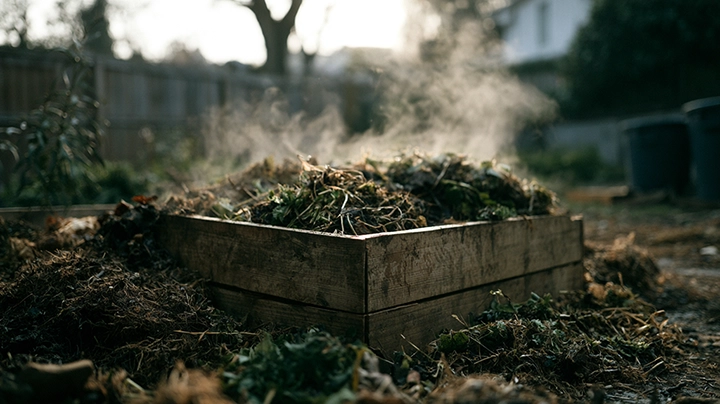
Aspergillus fumigatus is one of the most consequential airborne fungi on Earth, and most people encounter it daily without knowing. In soil, compost heaps, leaf litter, mulch, and plant debris, it performs an essential ecological role: breaking down organic matter and returning nutrients to the environment. Its thermotolerance — the ability to grow at temperatures that suppress many other fungi — gives it a competitive advantage in the hot, active interiors of compost piles.
At the same time, the dry, lightweight spores (conidia) of A. fumigatus drift easily through outdoor air, indoor dust, and renovation zones. For most healthy people, inhaling a small number is a routine part of daily life. The immune system clears them without noticeable effect. But for people with weakened immunity, damaged lungs, asthma, cystic fibrosis, or organ transplants, the same ordinary exposure can become clinically significant.
That dual nature — ecological workhorse and opportunistic pathogen — makes A. fumigatus one of the most studied fungi in medical mycology.
Built for Dispersal: The Biology of Aspergillus fumigatus
Aspergillus fumigatus grows as branching filaments called hyphae, not as a mushroom with a cap and stem. The species name “fumigatus” references a smoky appearance — mature colonies often develop a gray-green, blue-green, or smoky green color with a powdery or velvety texture. Appearance alone is not reliable for identification; many molds look similar to the naked eye.
Under the microscope, its structure explains its ecological success. Upright spore-bearing structures called conidiophores terminate in a swollen tip covered with spore-producing cells. These cells generate chains of small, dry conidia that detach easily with air movement, mechanical disturbance, or physical handling. Compost turning, sweeping, construction demolition, and routine dust movement can all release significant numbers of spores into the air.
Compost and Decaying Organic Matter: Preferred Territory
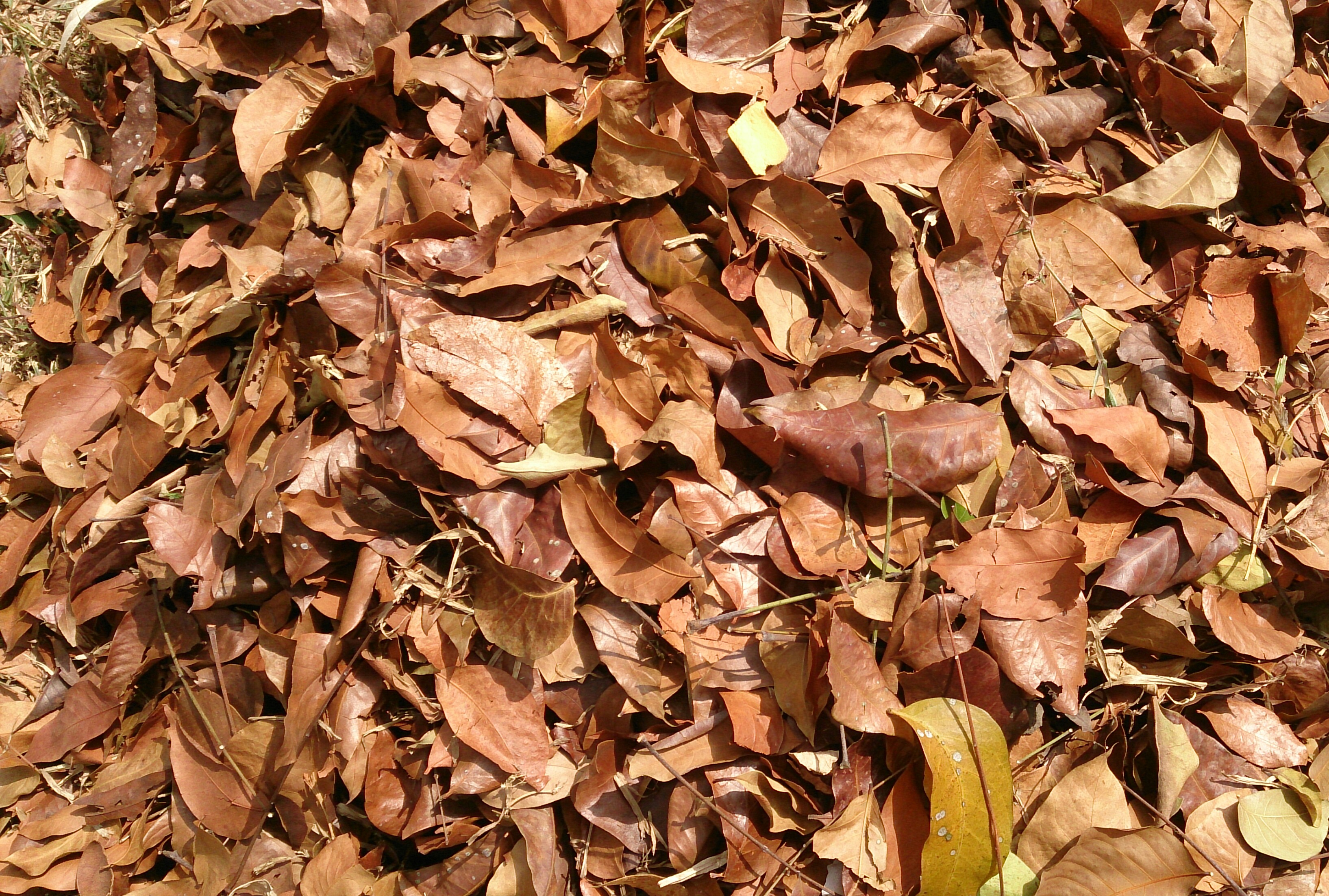
A. fumigatus is strongly associated with decomposing organic material. Compost is among its best-known habitats because compost piles can heat to temperatures that slow down or eliminate many competitors, while A. fumigatus continues to colonize and digest cellulose and other organic compounds. Garden mulch, stored plant material, leaf piles, manure, and food waste are also documented environments.
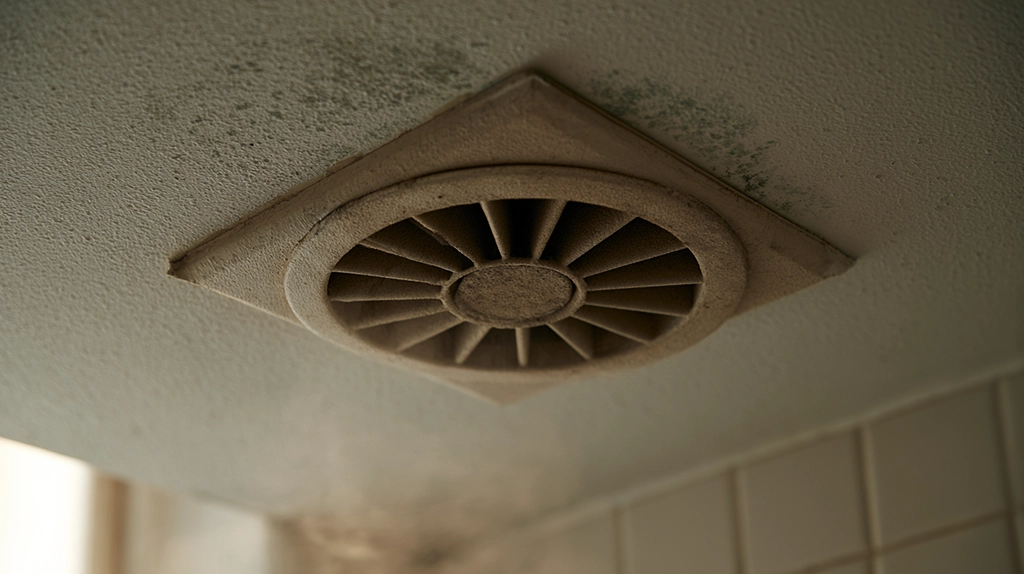
Inside buildings, it can be found in household dust, damp building materials, stored organic items, and HVAC systems with accumulated debris. Its presence in indoor dust does not automatically indicate a hazardous environment — most indoor spore loads reflect normal outdoor dispersal rather than active indoor growth. The more important concern is whether moisture problems are allowing mold to colonize building materials or accumulate in ventilation systems.
Aspergillosis: Not One Disease
The primary clinical concern linked to A. fumigatus is aspergillosis — a term covering several distinct conditions rather than a single illness.
Allergic forms affect people with asthma, cystic fibrosis, or chronic lung disease. The problem in these cases is an exaggerated immune response to fungal material rather than tissue invasion. Allergic bronchopulmonary aspergillosis (ABPA) is a recognized condition in people with poorly controlled asthma or cystic fibrosis who experience repeated fungal sensitization.
Chronic pulmonary aspergillosis develops in lungs already damaged by previous disease — tuberculosis, COPD, or prior lung infections. It progresses slowly and may involve persistent fungal growth in lung cavities.
Invasive aspergillosis is the most serious form and typically affects people with severe immune suppression: transplant recipients, individuals with certain blood cancers, patients receiving intensive chemotherapy, or those on high-dose corticosteroids. It can begin in the lungs and spread to other organs. Mortality remains significant despite available antifungal therapies, which is one reason early diagnosis is critical.
Why Hospitals Watch Aspergillus Closely
Hospitals and specialized healthcare units pay particular attention to A. fumigatus because high-risk patients — bone marrow transplant recipients, hematology patients, people in intensive care — cannot reliably clear inhaled spores. Construction work, ceiling tile disturbance, duct cleaning, demolition, and maintenance near healthcare buildings can disturb settled spores and increase airborne concentrations.
Infection-control responses in these settings may include dust barriers, negative-pressure work zones, HEPA filtration, controlled air movement, and environmental monitoring. These are proportionate responses to documented risk in a specific patient population — not panic measures. For patients with normal immune function, the same spore exposure carries minimal clinical concern.

Azole Resistance: A One Health Problem
Azole antifungals are first-line medicines for treating aspergillosis. But azole-resistant A. fumigatus has become a documented concern in several regions, complicating treatment for invasive disease where early and effective therapy is critical to outcomes.
Resistance can arise during medical treatment, but environmental pathways are also under investigation. Some agricultural and industrial azole compounds used in fungicide applications may exert selective pressure on environmental fungal populations. When resistant strains are then inhaled by vulnerable patients, treatment options may already be narrowed before therapy begins. This connection between environmental azole use and clinical antifungal resistance is a recognized One Health issue — linking human health, agricultural chemistry, environmental fungi, and clinical treatment outcomes through shared exposure.
What A. fumigatus Means for Home Environments
Finding Aspergillus in routine indoor air sampling does not automatically indicate a dangerous environment. Spores enter buildings from outdoors through ventilation, doors, windows, clothing, and pets. The more important question is whether the building has moisture conditions that support active mold growth on building materials.
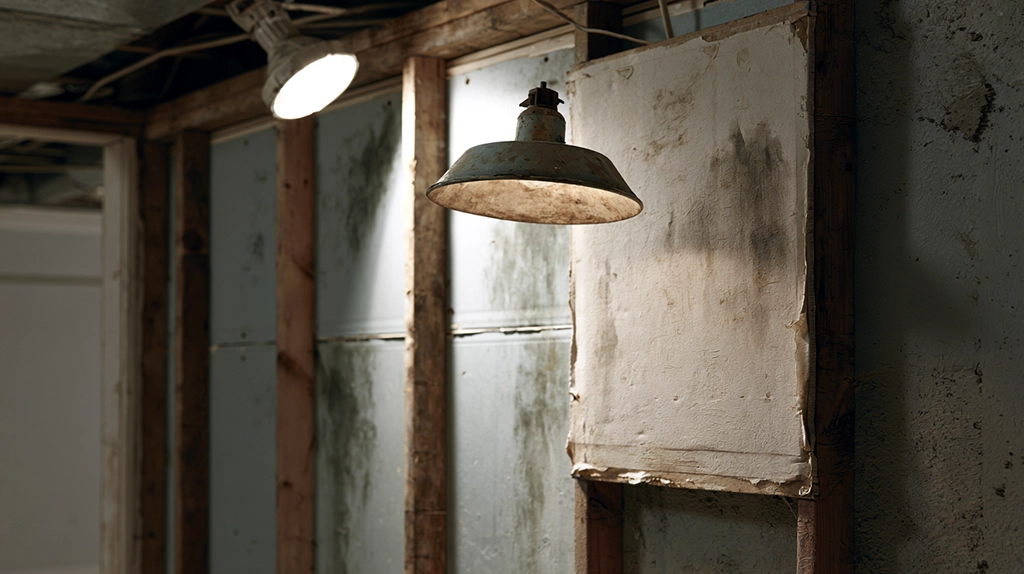
Wet drywall, damp insulation, flooded carpeting, humid basements, and contaminated HVAC components can all support fungal colonization. The practical response is species-neutral: identify and correct moisture, remove visible mold safely, improve ventilation, and dry wet materials promptly. Routine air testing rarely clarifies health risk in home settings because spore counts fluctuate constantly with weather, season, and activity. Visible mold or a moisture problem is already sufficient reason to act.
For medically vulnerable people, specific activity guidance — avoiding compost turning, handling moldy leaves, or entering dusty renovation zones — should come from healthcare providers rather than from home environmental testing alone.
Frequently Asked Questions
Is Aspergillus fumigatus common indoors?
Yes. Spores can be found in household dust because they enter from soil, compost, outdoor air, and plant debris. Their presence does not automatically mean the environment is dangerous.
How do people encounter A. fumigatus?
Primarily by inhaling airborne spores from soil, compost, mulch, decaying leaves, or disturbed dust. Compost turning and dusty renovation work can significantly increase exposure concentrations.
Is A. fumigatus dangerous to everyone?
No. Most healthy people clear inhaled spores without illness. Risk is substantially higher for people with weakened immune systems, chronic lung disease, cystic fibrosis, certain cancers, or organ transplants.
Should homes be tested for Aspergillus fumigatus?
Routine air testing rarely clarifies home health risk because spore levels fluctuate constantly. Visible mold or a confirmed moisture problem is sufficient reason to act regardless of species. High-risk individuals should follow medical guidance for exposure management.