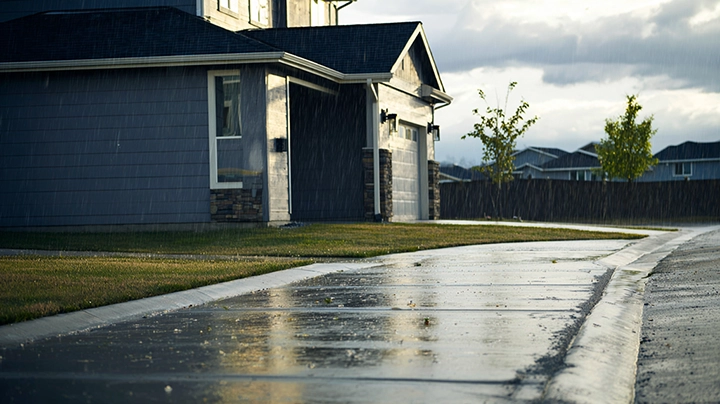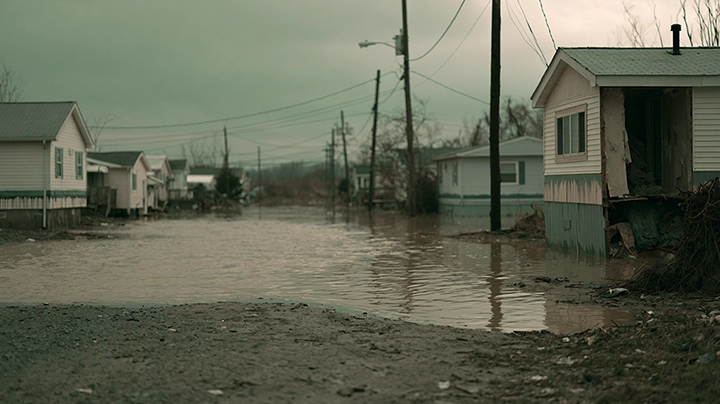
Flash flooding moves fast in Texas. Water that enters a home — through doors, windows, foundation cracks, or overwhelmed drainage — carries sediment, bacteria, and contaminants that settle into flooring, walls, and cavities. Once the water recedes, a second problem begins: mold can establish itself within 24 to 48 hours if conditions stay damp, and in Texas’s warm climate, that timeline is often shorter than it sounds.
The 2025 Memorial Day floods and subsequent storms across Central and South Texas damaged thousands of homes in counties including Kerr, Travis, Hays, and Comal. Many residents returned to find homes that looked dry on the surface but retained moisture in walls, under floors, and behind cabinets — the exact conditions that lead to widespread mold growth.

1. Wet Drywall That Looks Dry on the Outside
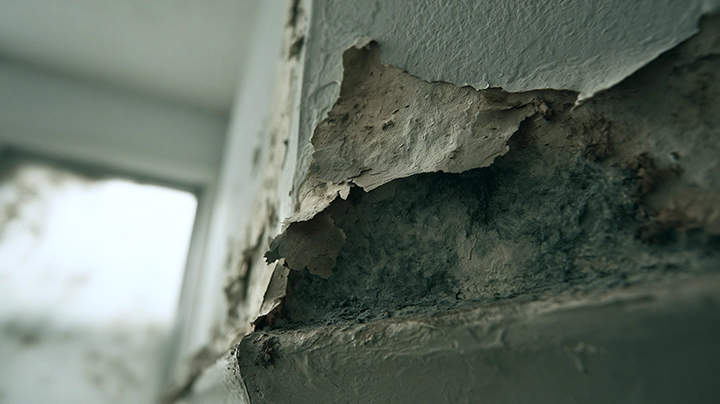
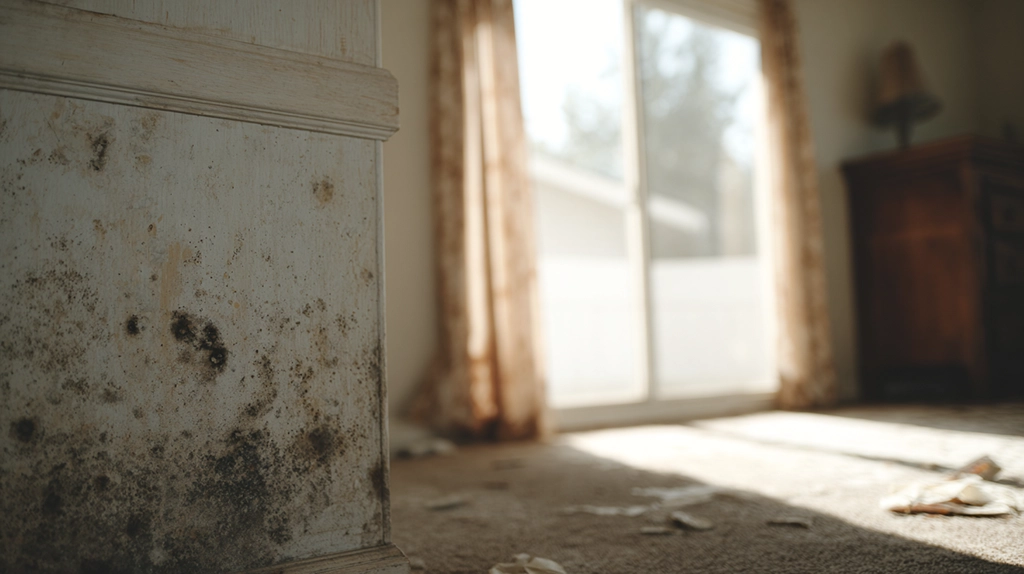
Drywall absorbs water quickly and releases it slowly. After flooding, the visible surface of drywall may feel dry to the touch within a day or two while the interior — the paper facing, gypsum core, and wall cavity behind it — remains damp for much longer. Mold commonly grows on the back face of drywall or between the drywall and insulation, where it is hidden until staining or odor appears on the surface.
The standard guidance from the CDC and EPA for flood-damaged drywall is removal rather than drying: drywall that was submerged or saturated should be cut out and replaced, not simply dried and repainted. Attempting to dry it in place usually prolongs the hidden moisture problem rather than resolving it.
2. Flooring That Traps Moisture Underneath
Laminate flooring, vinyl planks, and engineered wood flooring all have underlayment layers that absorb and retain water even when the visible surface appears undamaged. Hardwood flooring warps and buckles as moisture content changes, but the warping often appears days after the flood rather than immediately. Tile flooring may look unaffected but can retain moisture in grout, adhesive, and the subfloor underneath.
Carpet and carpet padding are particularly problematic after flooding: carpet can be cleaned if it was clean water and is dried within 24 to 48 hours, but any carpet that was submerged in floodwater should be removed. The padding beneath it retains far more water than the carpet itself and is rarely salvageable after flooding.
3. HVAC Systems That Spread Mold Spores
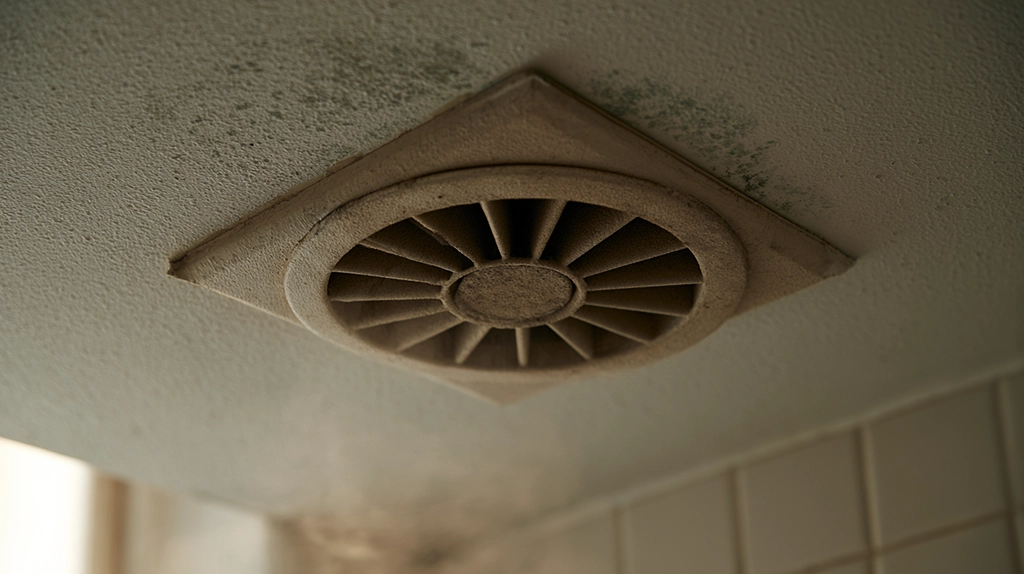
Air conditioning systems in flood-affected homes can become a mechanism for spreading mold throughout the building. If the air handler, ductwork, or return vents were exposed to floodwater or prolonged high humidity, mold can establish itself inside the system and circulate spores every time the unit runs. Turning on the air conditioning to dry out a damp home can accelerate this problem if the system itself has been compromised.
In Texas homes, where central air conditioning is used year-round and air handlers are often located in attics, garages, or closets close to exterior walls, this risk is significant. Before running an HVAC system in a flood-affected home, a visual inspection of the air handler and accessible ductwork is advisable. If there is visible mold growth or musty odor from the vents, professional cleaning or remediation is needed before the system is used.
4. Wall Cavities and Insulation With No Airflow
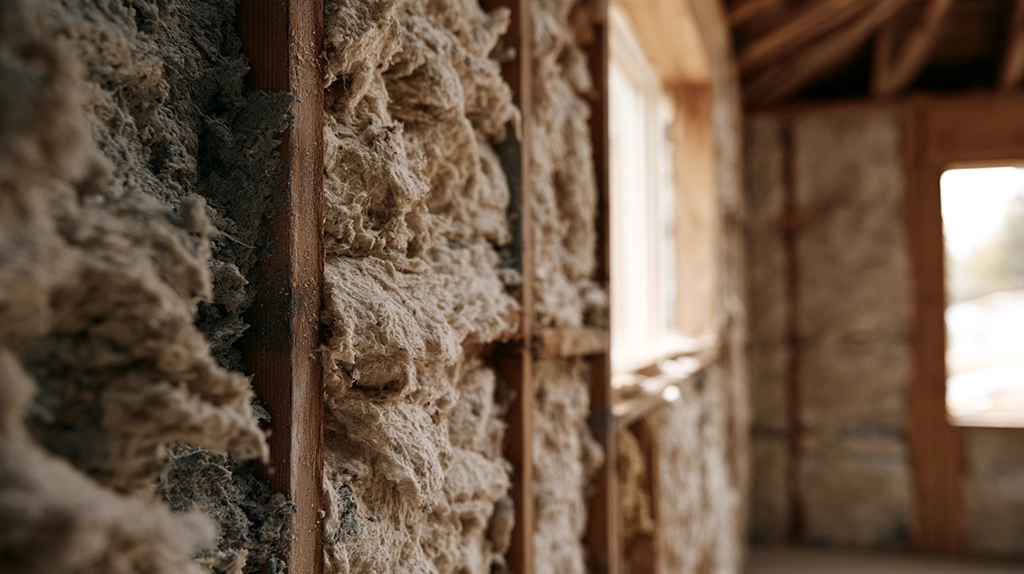
Fiberglass batt insulation loses its insulating properties when wet and can retain moisture for weeks inside wall cavities. The combination of damp insulation, organic material in framing lumber, and minimal airflow inside closed wall cavities creates an environment where mold can grow extensively before it becomes visible from either side of the wall.
Spray foam insulation presents a different problem: it is less absorbent but can trap moisture between itself and adjacent materials. In either case, flood water that entered wall cavities — particularly through weep holes, foundation gaps, or damaged exterior cladding — may not be detectable without a moisture meter or thermal imaging assessment.

5. Delayed Response Beyond the 48-Hour Window
The 48-hour threshold is frequently cited in guidance from FEMA, the EPA, and water-damage professionals because it represents the point at which mold growth transitions from preventable to likely. In Texas summer conditions — high temperatures, high humidity, limited ventilation in a closed home — mold can begin to colonize surfaces even faster. Delays caused by displacement, road closures, insurance waiting periods, or difficulty accessing remediation services extend the time that moisture remains in building materials.
Residents who cannot return home immediately should, where safe and possible, arrange for someone to open windows and start fans or dehumidifiers. Documenting moisture conditions with photographs and, if possible, a hygrometer reading provides useful information for both remediation professionals and insurance claims. The goal in the first 48 hours is to reduce moisture as aggressively as possible — even partial drying reduces the extent of mold growth and the cost and scope of remediation.
What Texas Residents Should Do After Flood Damage
Return home only when local authorities confirm it is safe to do so. Document all damage with photographs and video before moving or discarding anything. Contact your insurance company and, if you have flood insurance through the National Flood Insurance Program (NFIP), request an adjuster visit promptly. Begin removing standing water and wet materials as soon as possible using pumps, wet vacuums, and fans.
For drywall, flooring, and insulation that was submerged: removal is generally faster and more effective than drying in place, and reduces the risk of hidden mold establishing itself before remediation. If mold is already visible or a musty odor is present, contact a licensed mold remediation contractor. In Texas, mold remediation contractors must be licensed by the Texas Department of Licensing and Regulation (TDLR).
Frequently Asked Questions
How quickly can mold grow after flooding in Texas?
Mold can begin to establish itself within 24 to 48 hours after flood water enters a building. In Texas’s warm, humid climate, particularly in summer months, conditions may support faster growth than that threshold suggests. The 48-hour window is a guideline for beginning drying and removal, not a guarantee that mold will not appear sooner.
Should I run my air conditioner to dry out my flood-damaged home?
Not before inspecting the system. If the air handler, ducts, or return vents were exposed to floodwater or prolonged high humidity, running the system can spread mold spores throughout the home. Check the air handler and accessible vents first; if there is any musty odor or visible mold, have the system professionally evaluated before use.
Does homeowners insurance cover mold damage from Texas floods?
Standard homeowners insurance typically does not cover flood damage or mold resulting from flooding. Flood damage is usually covered by flood insurance through the National Flood Insurance Program (NFIP) or a private flood insurer. Mold resulting directly from the covered flood event may be included, but coverage terms vary. Review your policy and contact your insurer promptly after any flood damage.
How do I find a licensed mold remediation contractor in Texas?
In Texas, mold assessment consultants and mold remediation contractors must be licensed by the Texas Department of Licensing and Regulation (TDLR). You can verify a contractor’s license on the TDLR website before hiring. After a major flood event, be cautious of unlicensed contractors who arrive unsolicited and ask for large upfront payments.