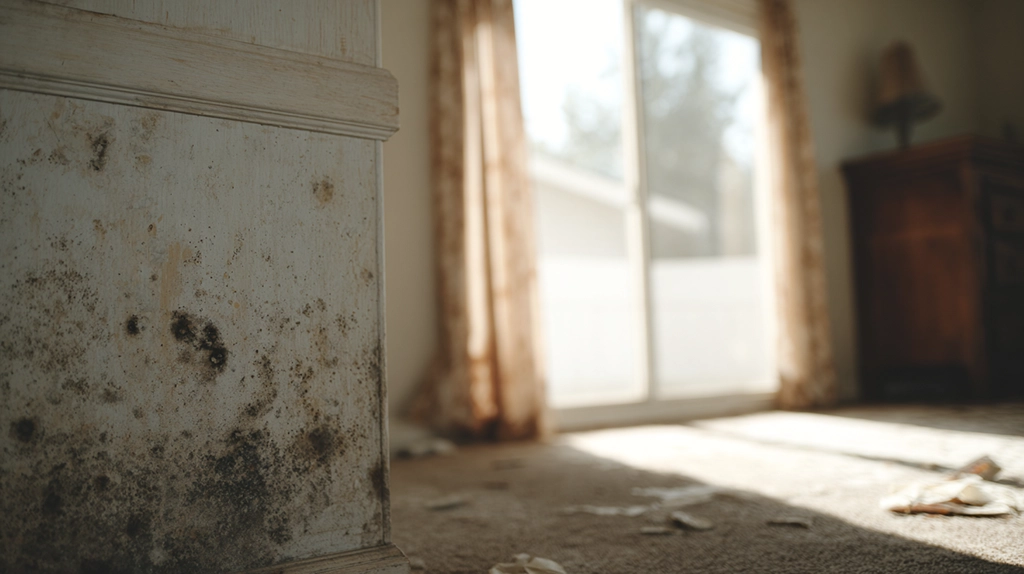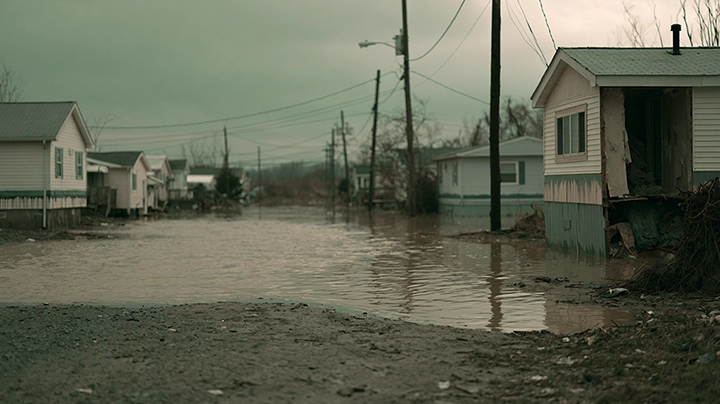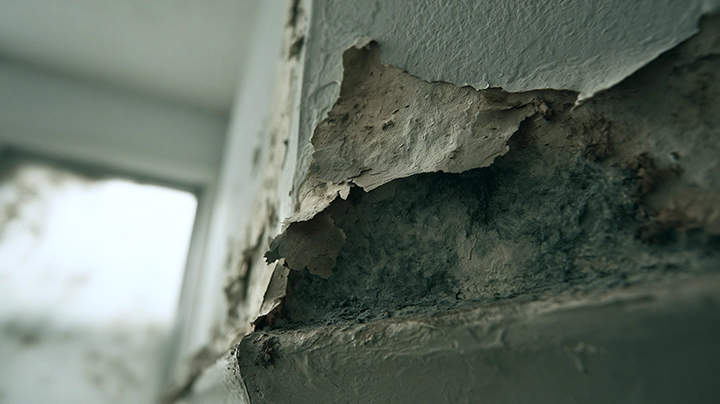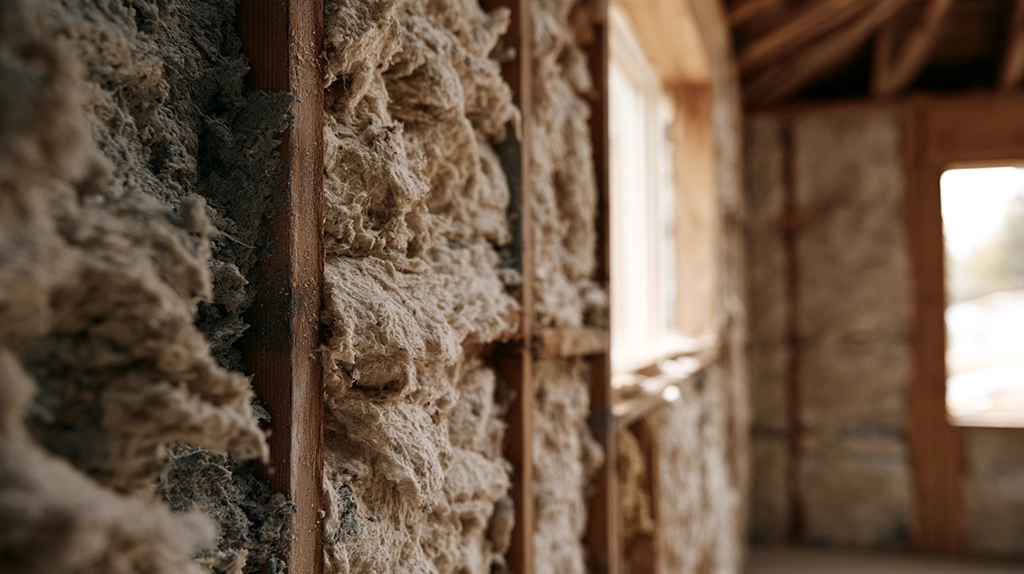
Flood damage often begins outside the home, quietly, before anyone notices moisture indoors. Rainwater that collects near a foundation, pools against exterior walls, or seeps through gaps in doors and windows can create persistent dampness that builds over time. Most of the steps that reduce flood risk are straightforward and best taken before heavy rain arrives — not during or after it.
1. Move Water Away From the Foundation
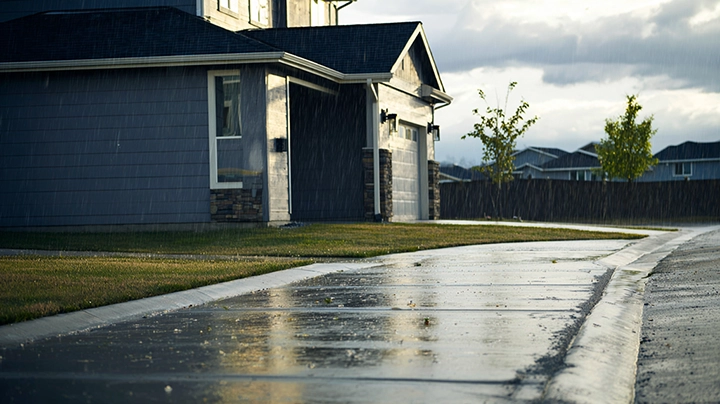
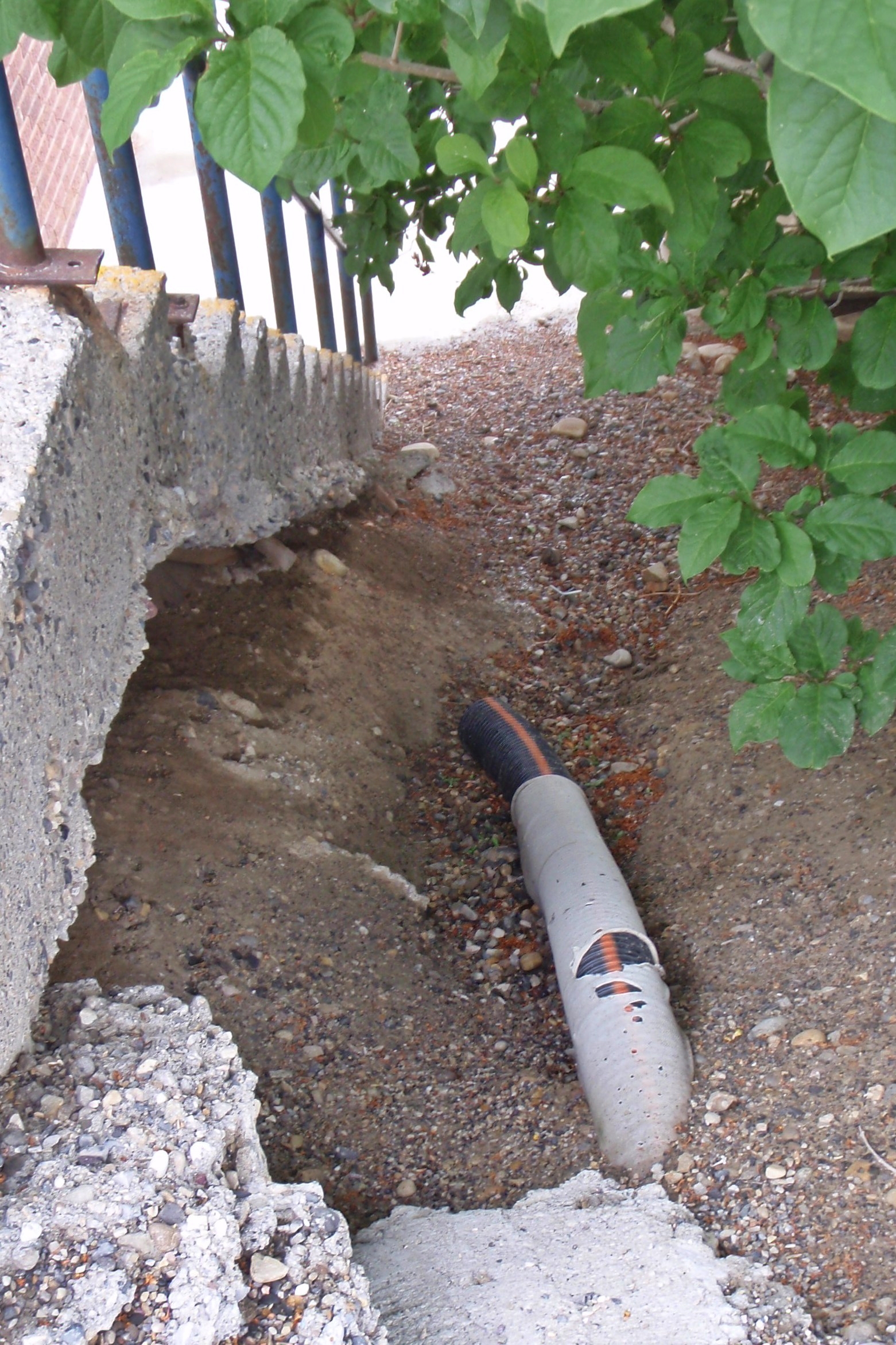
The first line of defense against flood damage is drainage. Gutters should not overflow during rainfall. Downspouts should direct water away from the foundation — at least a metre or two in areas where soil is flat or drainage is poor. Yard drains and surface channels should be clear of leaves, mud, and debris before rainy season begins.
Ground slope also matters. If yard grading directs water toward the house rather than away from it, even moderate rain can drive moisture against basement walls or under exterior doors. If the same wall gets wet after every significant rainfall, the water pathway deserves investigation rather than repeated surface drying.
2. Inspect Doors, Windows, and Basement Openings
Heavy rain can find its way through weak points that are easy to overlook: cracked sealant around window frames, worn weatherstripping on exterior doors, damaged door sweeps at garage entries, or gaps between frames and walls. Before rainy season, inspect these areas for stains, deterioration, or signs of previous water entry.
Basement windows and low-level openings require extra attention because they are closer to surface runoff and pooled water. A basement window well blocked by debris or a cracked sill that has not been resealed can allow repeated water entry. If water entered once through a specific opening, it may enter again unless the gap is repaired or the opening is protected with a well cover or guard.
3. Protect Stored Items Before the Storm
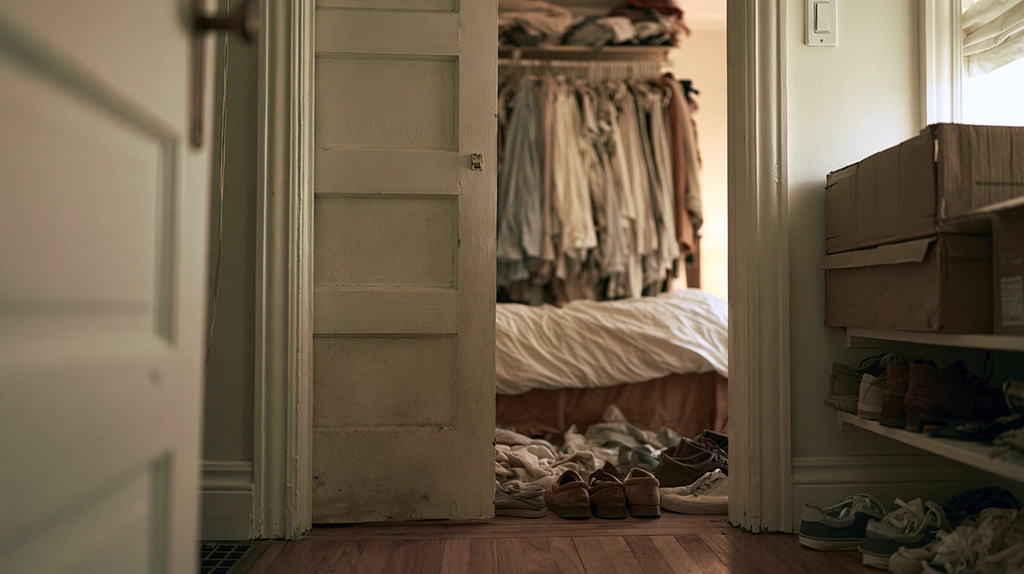
Many homes lose belongings not because flooding is deep, but because important items were stored on the floor. Cardboard boxes, paper files, shoes, textiles, leather goods, electronics, seasonal decorations, and sentimental items kept at floor level in basements or garages are vulnerable even to shallow water entry.
Cardboard is a particular concern: it absorbs water quickly, becomes musty within hours, and can transfer moisture to nearby items while providing an easy nutrient source for mold. Using shelves, plastic totes, or waterproof storage bins for below-grade storage can dramatically reduce loss from a single water event. Flood prevention is not only about protecting the building structure — it is also about reducing the number of moisture-absorbing materials that can feed mold growth after water enters.
4. Manage Indoor Humidity Before and After Rain
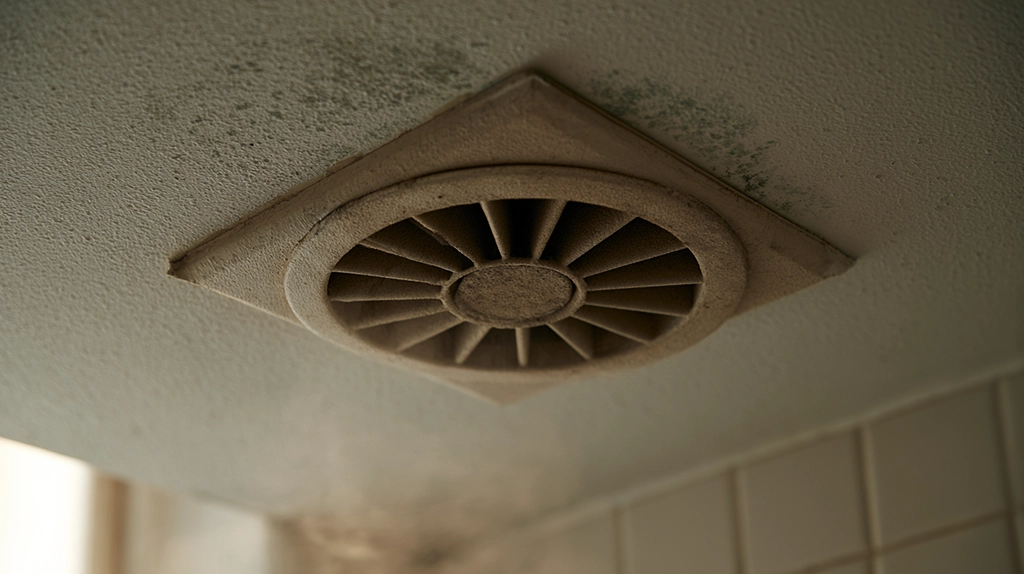
Not all flood damage announces itself with standing water. Sometimes moisture enters slowly through walls, concrete, or poorly sealed floors, and a home stays damp for days after heavy rain — long enough for musty odors and mold growth to develop in spaces with little airflow.
A humidity monitor in basements, storage rooms, and laundry areas makes invisible moisture visible. Keeping indoor relative humidity at or below 50 percent removes the conditions mold needs to establish itself. A dehumidifier helps in closed or below-grade spaces, though the goal is to remove moisture from the air rather than simply circulate it. Bringing in warm, humid outdoor air during or after heavy rain can make conditions worse — focus on mechanical drying until outdoor conditions improve.
5. Prepare a Basic Flood Response Plan
Even with thorough prevention, heavy rain can still result in water entry. A basic response plan reduces losses and speeds recovery. Know where the main water shutoff valve is located. Keep a flashlight, work gloves, plastic bags, towels, and basic cleanup supplies in an accessible place. Save emergency contacts for plumbers, drainage specialists, insurance, and water-damage professionals before you need them.
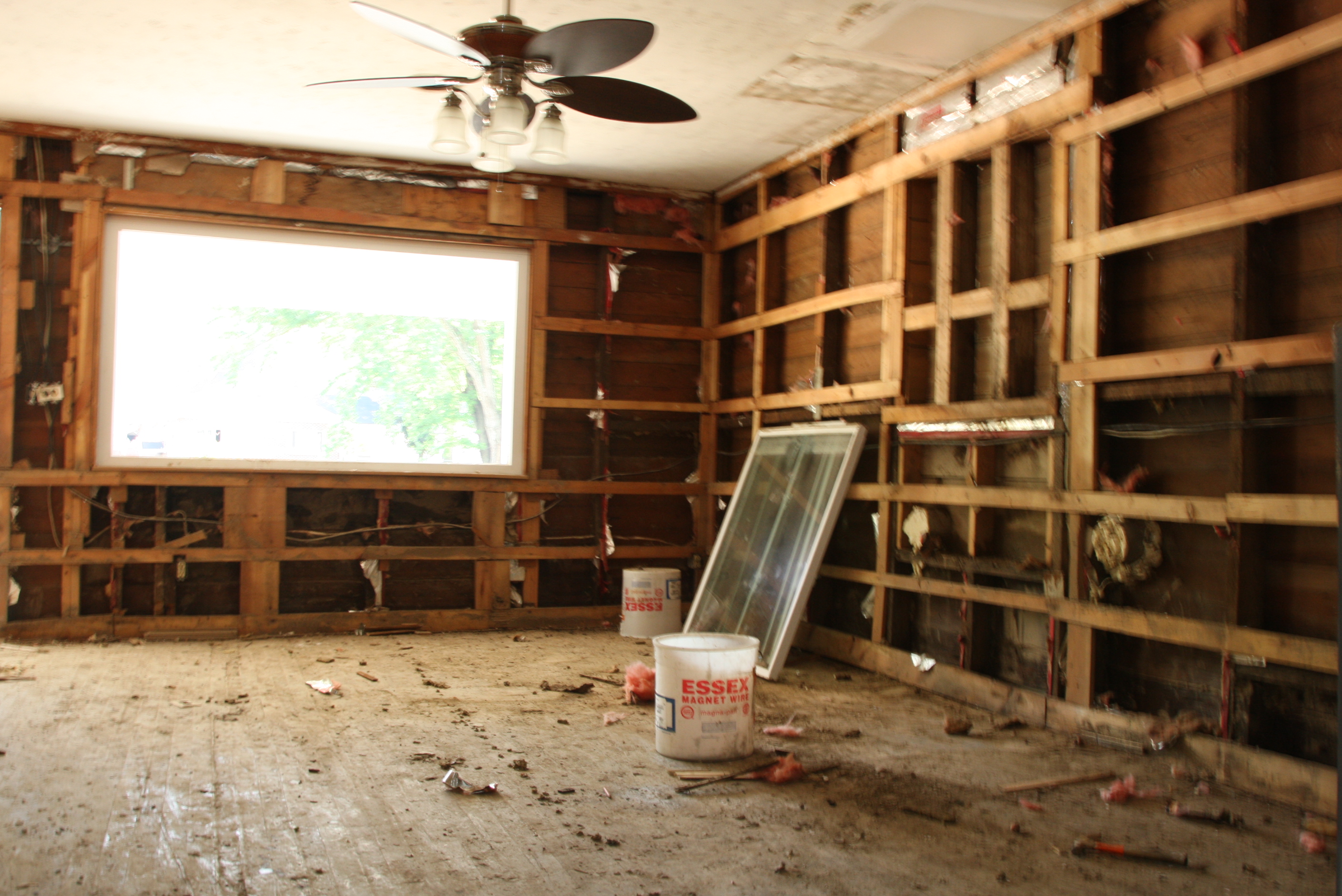
If water enters, take photographs and video before moving or discarding anything — this documentation matters for insurance and professional assessment. Remove standing water only when the area is safe, move dry items away from the wet zone, and begin drying as quickly as possible. The faster drying starts, the lower the chance that flood damage becomes a long-term mold problem.
Frequently Asked Questions
What is the first step to prevent flood damage at home?
Start outside. Gutters, downspouts, yard drains, and ground slope should all move water away from the house and foundation. This is the most consistent and cost-effective starting point for flood prevention because it addresses where most moisture problems originate.
Why do basements smell musty after heavy rain?
Basements typically have limited airflow, cooler surfaces that promote condensation, and areas where water can enter through foundations, window wells, floor cracks, or utility penetrations. Even small, slow leaks can create musty odors within days if materials stay damp and ventilation is poor.
Can a dehumidifier prevent flood damage?
A dehumidifier cannot stop water from entering a building, but it can reduce damp air conditions and support faster drying after rain. It works best when drainage and water entry points are also addressed — removing humidity from the air alone will not help a building that continues to take in water.
When should I call a professional for flood or moisture problems?
Call a professional if water repeatedly enters through the same area, drains back up during heavy rainfall, basement walls stay damp between storms, mold keeps returning after cleaning, or flooding has affected drywall, flooring, insulation, or areas near electrical systems. These conditions go beyond routine maintenance.