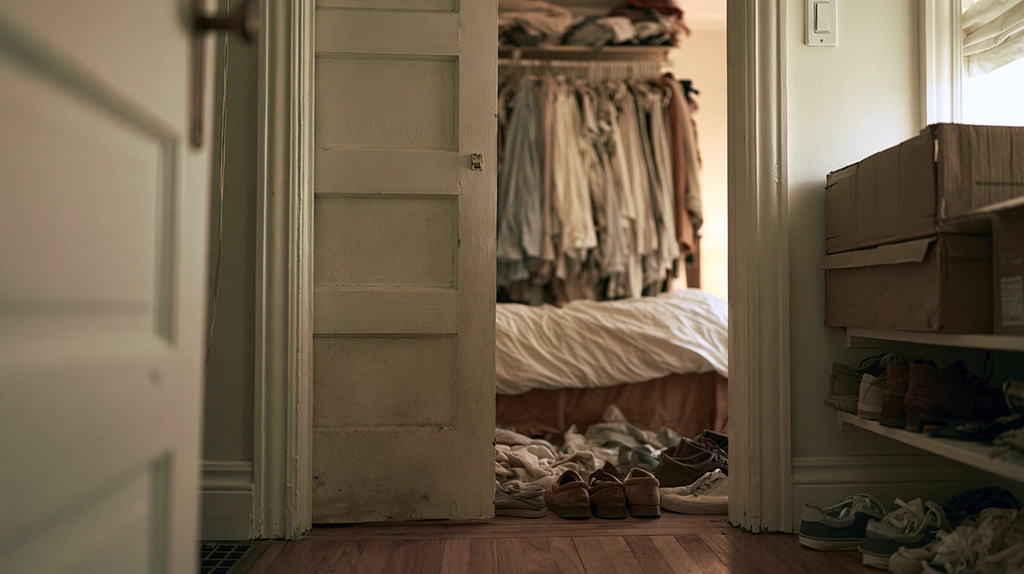
You open a bedroom closet after a week of humid weather and the smell hits immediately — stale, musty, vaguely like old paper. Nothing looks flooded. The floor is dry. But the smell intensifies when the door has been closed all day. This is not just a storage complaint. A musty closet is usually a moisture signal, and after several humid days, it is one worth taking seriously.
1. Closets Are Designed to Stay Closed
The same feature that makes closets useful — a door that keeps contents contained — also makes them effective moisture traps. When the door closes, airflow stops. Humidity from damp clothing, shoes stored before they fully dried, or humid air that entered during a busy morning can remain trapped for hours or days. In a small enclosed space, the humidity level inside a closed closet can rise well above the rest of the room. Poor airflow also prevents surfaces from drying. A back wall that collects cool exterior-wall condensation during humid weather, a shelf edge that stays slightly damp, or a floor corner that rarely sees air movement can hold enough moisture for mold to find a foothold without any visible wetness or leak.

2. Damp Items Are the Primary Moisture Source
Shoes that are warm and damp after a walk continue releasing moisture for hours after storage. Gym clothing, wet umbrellas, swimwear, or laundry that was folded slightly damp all add water vapor to a closed space. Cotton holds moisture longer than synthetic fabric. Leather shoes trap perspiration. Cardboard boxes absorb ambient humidity and release it slowly. None of these items need to feel obviously wet to contribute to the problem. A slightly damp shoe stored in a closed closet overnight is enough to raise local humidity — multiply that across several pairs, a gym bag, and a jacket from the rain, and the closet becomes a consistent moisture environment.
3. Dust Inside Closets Gives Mold Something to Eat
Mold requires moisture and organic material. Closets provide both. Dust on shelving, baseboards, and cardboard boxes contains textile fibers, skin cells, paper particles, and household debris. Even a light film of dust on a surface that stays slightly damp is enough for some species to colonize. Leather shoes, cotton and wool clothing, paper-backed storage boxes, and cardboard dividers are all substrates mold commonly uses when conditions are right. The musty smell that develops is often a sign that microbial activity is already occurring on dust, fabric, or paper surfaces — even if no obvious growth is visible yet.
4. Exterior Walls Create Condensation Risk
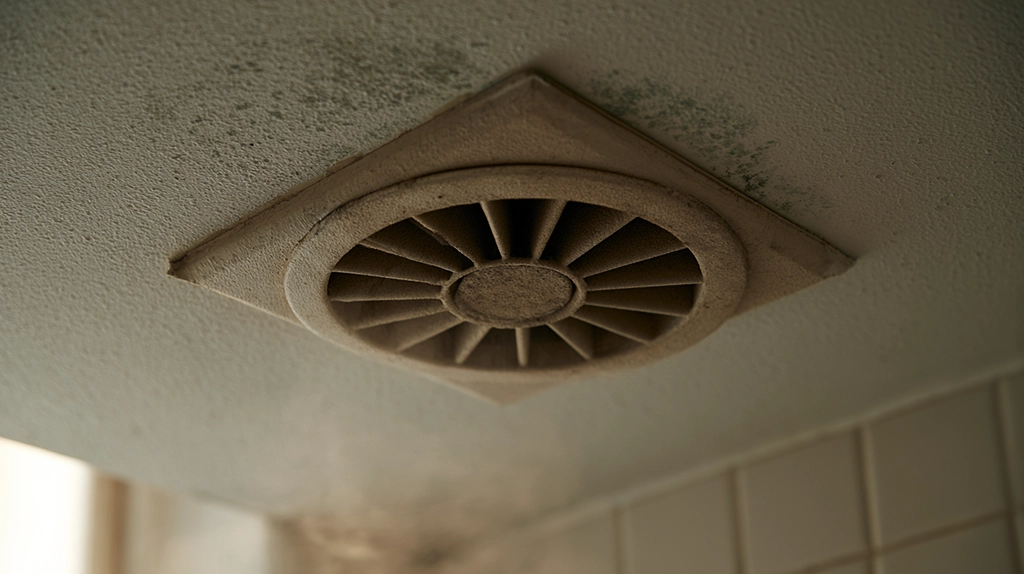
Closets located against exterior walls or sharing a wall with a bathroom are particularly susceptible to condensation. During humid periods, warm indoor air meeting a cool exterior wall surface can deposit moisture on the wall face, shelving pressed against it, and items in contact with it. This condensation may be invisible — a wall that feels faintly cool to the touch, items at the back of the closet with slight dampness, or mold that appears first in a corner near the floor.

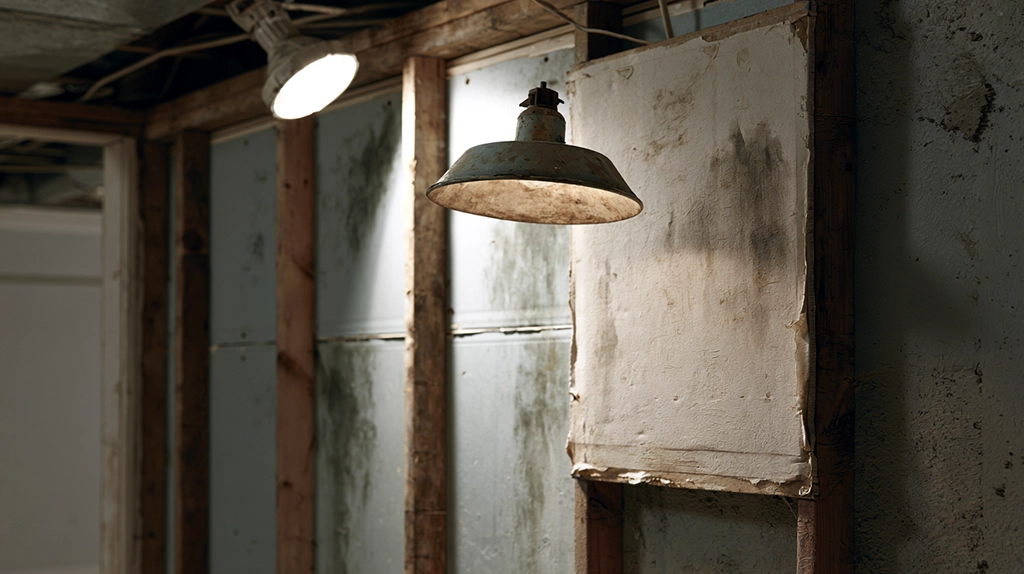
If mold appears consistently on the same section of wall regardless of what is stored nearby, condensation is the more likely cause than a damp item. That pattern warrants checking the wall assembly, exterior moisture barriers, and whether ventilation in the room is adequate to prevent indoor humidity from reaching dew point on cool surfaces.
5. The Smell Returns Because the Source Is Not Addressed
Spraying air freshener or placing a scented sachet in a musty closet treats the symptom without touching the cause. The smell returns because the moisture is still there. Effective resolution starts with removing everything and letting the closet air out completely, ideally in drier weather with the door open and a fan circulating air. Check the back wall, corner areas, baseboards, and floor for staining or soft spots. Wash or thoroughly dry every item before returning it. Replace cardboard storage boxes with washable plastic bins. Leave deliberate space between stored items and walls. If the smell returns despite these steps, or if mold reappears on the same wall section repeatedly, investigate for hidden moisture, a plumbing leak in an adjacent wall, or persistent condensation that ventilation alone cannot address.
Frequently Asked Questions
Why does my closet smell musty even though nothing looks wet?
Musty odor can develop before visible mold appears. Microbial activity on dust, fabric fibers, or cardboard produces odor compounds before colonies become large enough to see. Trapped humidity from damp clothing, shoes, or outdoor air that entered during a busy morning is usually the source.
What absorbs musty odor in a closet?
Activated charcoal, silica gel packets, or cedar blocks can reduce odor temporarily. These are not solutions, however — if the humidity source is not addressed, the smell returns. Airing the closet fully and identifying damp items is more effective long-term than any odor absorber.
Does leaving closet doors open help prevent mold?
Yes. Leaving doors slightly open or ajar when not in use allows room air to circulate, helping surfaces dry and lowering the humidity level inside. This is especially useful in rooms with good overall ventilation and during or after humid weather.
Can mold in a closet affect your health?
Mold in a closet releases spores into room air when the door is opened and closed. For most people, low-level exposure causes no symptoms. Individuals with mold allergy, asthma, or compromised immune function may notice respiratory irritation. Visible, persistent mold should be cleaned and its moisture source corrected.