According to MEDICALPRESS
A small U.S. pilot study has detected estrogen-like mold toxins in all 33 pregnant participants, with higher exposure levels associated with recent consumption of corn and other grain-based foods. The Rutgers University research highlights mycoestrogens as a common but understudied dietary exposure during pregnancy. The study was published in the Journal of Exposure Science & Environmental Epidemiology and led by Zorimar Rivera-Núñez, an assistant professor at the Rutgers School of Public Health.

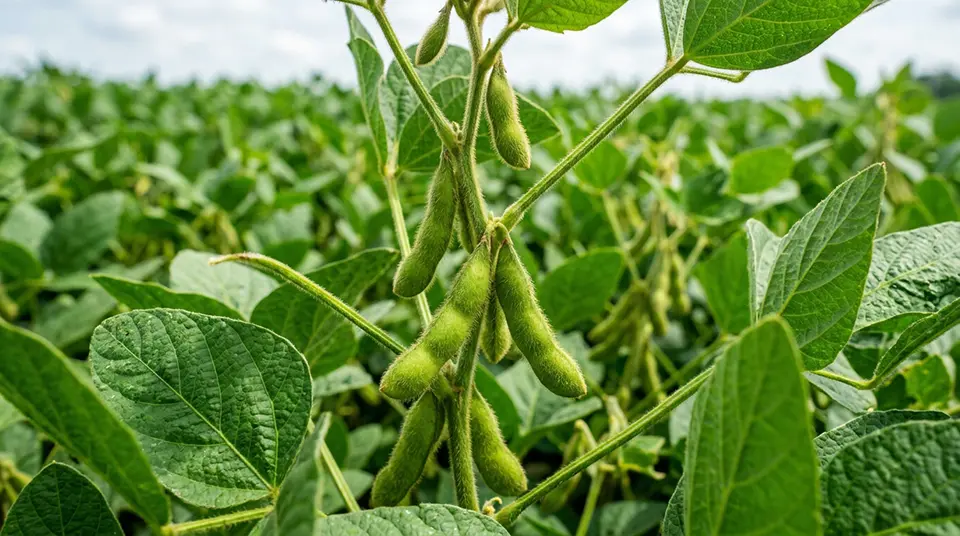
Mycoestrogens are fungal toxins capable of mimicking estrogen, a hormone involved in pregnancy and fetal development. One of the best-known examples is zearalenone, which is produced by Fusarium fungi that can contaminate corn, wheat, oats, and other staple crops. The toxin is heat-stable, meaning it may remain in food after cooking and industrial processing. It can also enter meat and dairy products when livestock consume contaminated feed.
The Jersey Babies pilot study followed pregnant women recruited through two obstetric clinics — Saint Peter’s University Hospital and Rutgers Robert Wood Johnson University Hospital — in New Brunswick, New Jersey. Participants provided urine samples and completed detailed 24-hour dietary recalls at three stages of pregnancy (at approximately 18–20, 24–26, and 28–32 weeks gestation). This allowed researchers to compare recent food consumption with mycoestrogen biomarkers detected in urine.
At least one mycoestrogen was found in every urine sample collected. Zearalenone was present in most participant samples across all three study visits, and levels remained relatively consistent for several women. Researchers said this pattern may indicate recurring dietary exposure rather than a single isolated event.

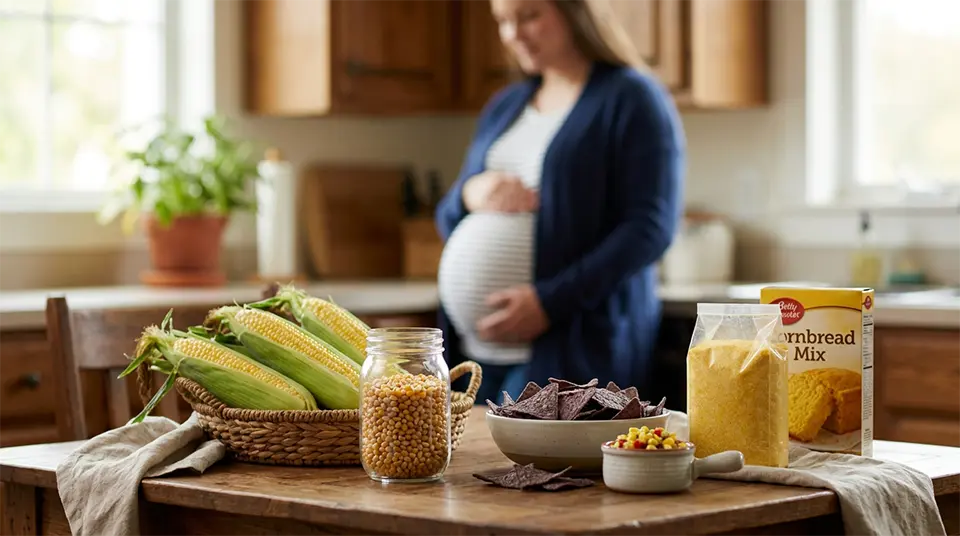
Corn showed the strongest dietary association. Participants who had recently consumed corn, corn chips, corn tortillas, or similar products generally had higher urinary mycoestrogen levels. Other cereal grains and oils showed more modest associations. Chicken and pork consumption had weaker inverse relationships, suggesting that grain-based foods were the main exposure source within this study group.

The researchers also observed higher mycoestrogen levels among Hispanic participants across the three visits. These participants reported consuming more corn-based foods and dairy products than non-Hispanic participants. However, the small sample cannot establish broader population patterns, and the findings require confirmation through larger and more diverse studies.
Previous research has associated mycoestrogen exposure with outcomes including greater gestational weight gain and lower infant birth weight. The current study did not demonstrate that the detected exposure caused health effects. Instead, it identified potential dietary sources and established a foundation for investigating possible reproductive, developmental, and child health consequences.
Regulatory approaches remain uneven. The U.S. Food and Drug Administration added zearalenone to its Mycotoxin Compliance Program in 2024 but has not established maximum permitted levels in food. The European Commission has introduced limits for zearalenone in cereals, baked products, and infant foods.
Researchers emphasized that the results should not be interpreted as advice for pregnant women to eliminate corn or grains from their diets. As an early pilot study, the work primarily shows that mycoestrogen exposure may be widespread and measurable. Further research is needed to determine typical exposure levels, evaluate health significance, and develop appropriate prevention strategies.
References
According to MEDICALPRESS