According to EXPRESS
A common bathroom product may offer a quick way to treat makeup stains on white and light-colored clothing. Cleaning creator Chantel Mila, known online as Mama Mila, recommends using foam-based shaving foam to loosen foundation and other cosmetic marks before washing the garment. Mila, who has built a following of 4 million across social media since 2020 and is a Better Homes & Gardens Australia contributor, is best known for practical cleaning hacks and is the best-selling author of The Dream Clean.

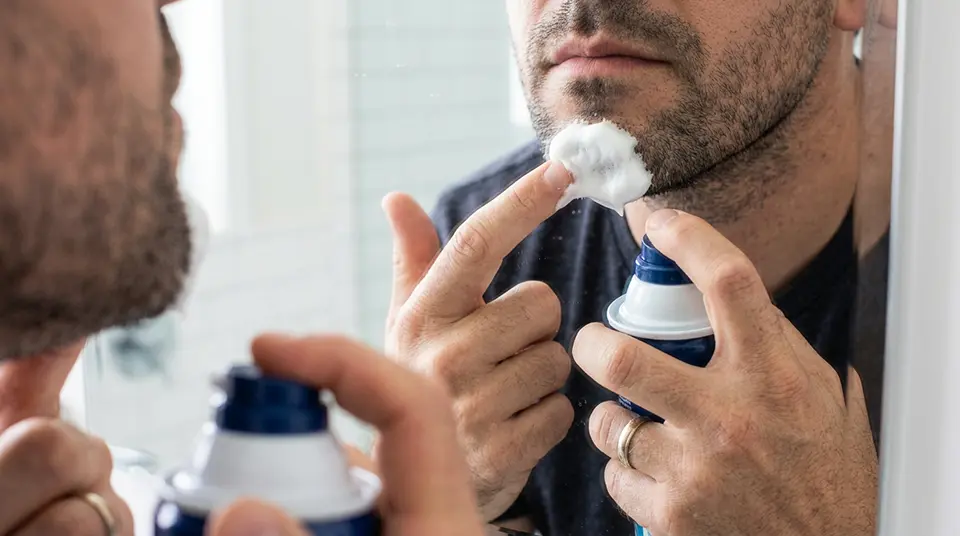
The method involves applying a generous amount of shaving foam directly to the affected area. A soft-bristled brush can then be used to gently work the foam into the fabric. After allowing it to sit, the garment should be rinsed with cold water and washed according to its regular care instructions.
Shaving foam may work because it commonly contains surfactants and emulsifiers. These cleaning agents help separate oils, pigments, dirt, and grime from fabric fibers. Because many cosmetics contain oils and colored pigments, the ingredients in shaving foam may make some makeup stains easier to remove during washing.
Laundry experts recommend leaving the product on the stain for approximately five to ten minutes. More persistent makeup marks may require up to 20 minutes of treatment. However, the garment should not be placed in a dryer until the stain has disappeared, as heat may make any remaining residue more difficult to remove.
The type of product is important. Standard white, foam-based shaving products are recommended, while clear shaving gels and heavier creams should be avoided. These alternatives may not contain the same combination of cleaning agents and could leave additional residue on the fabric.
Despite claims that stains may disappear “instantly,” independent testing suggests that shaving foam is not equally effective on every substance. Better Homes & Gardens tested it on dark lipstick, red nail polish, black coffee, olive oil, potting soil, and blue ink. Coffee and olive oil stains became lighter but remained visible, while the product did little to remove lipstick, nail polish, soil, or ink; the outlet’s own conclusion, after letting the foam sit for 20 minutes on each stain, was that it found the hack “lacking” and would not recommend shaving cream as a stain-removal method.
The test also found that dabbing certain stains with a damp cloth caused lipstick and coffee marks to spread. This indicates that aggressive rubbing may enlarge a stain rather than remove it. Users should blot carefully, work from the outside toward the center, and avoid scrubbing delicate materials.
Results can differ depending on the cosmetic formula, fabric, stain age, and garment color. Before treating a visible area, testing the shaving foam on a concealed section of the garment can help identify possible discoloration or damage. Clothing labeled dry-clean-only should be handled according to its care instructions.
Shaving foam may therefore be a convenient first treatment for some fresh foundation stains, particularly when conventional stain remover is unavailable. However, it is not a universal solution, and more difficult stains may require a product designed for the specific material involved. Prompt treatment, cold-water rinsing, and careful handling remain important for improving the likelihood of successful removal.
References
According to EXPRESS