
Why mycorrhizal fungi may hold the key to ecosystem survival — and what happens when we erase them
The Hidden Infrastructure of Life
What are mycorrhizal fungi and why are they essential for ecosystems?

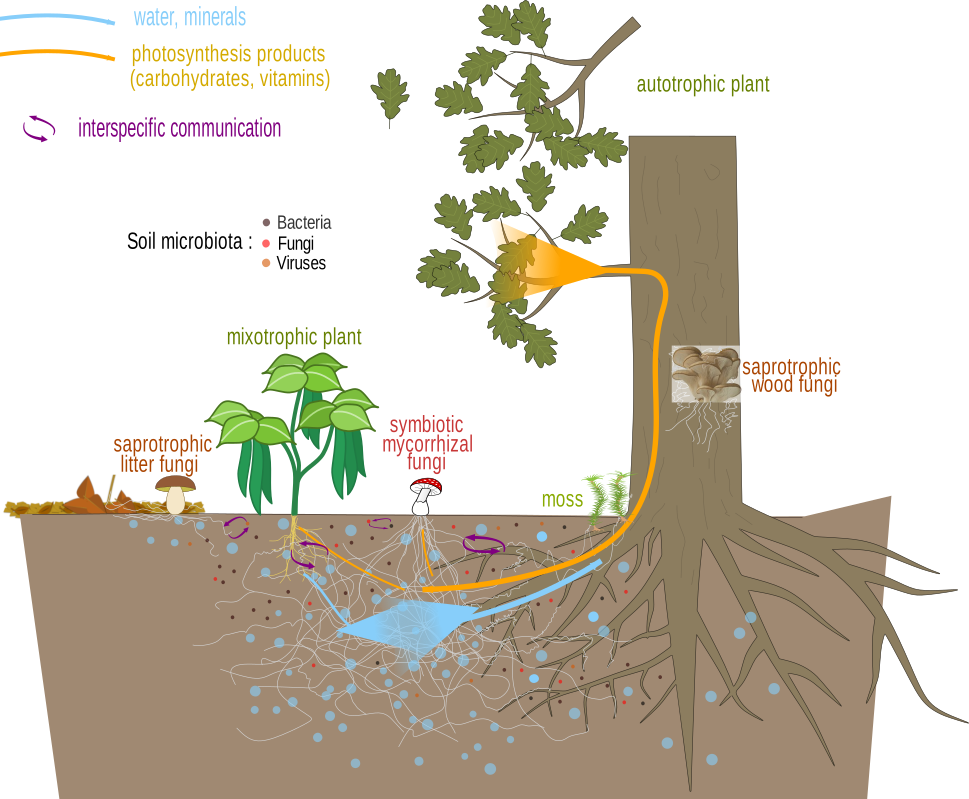
Beneath forests, fields, and grasslands lies a vast underground network built by arbuscular mycorrhizal fungi (AMF). These organisms form symbiotic relationships with plant roots, connecting ecosystems into a functional whole.
More than 80% of plant species rely on these partnerships. Plants provide carbon produced through photosynthesis, while fungi extend their hyphal networks into the soil, absorbing nutrients such as phosphorus and nitrogen, along with water.
However, this exchange is only part of a larger system. Fungal filaments bind soil particles together and produce compounds like glomalin, which stabilizes soil structure and stores carbon. These networks also regulate microbial communities and help plants cope with environmental stress.
What appears to be soil is actually a living infrastructure supporting life on land.
From Roots to Networks
How do mycorrhizal fungi connect plants into ecological systems?

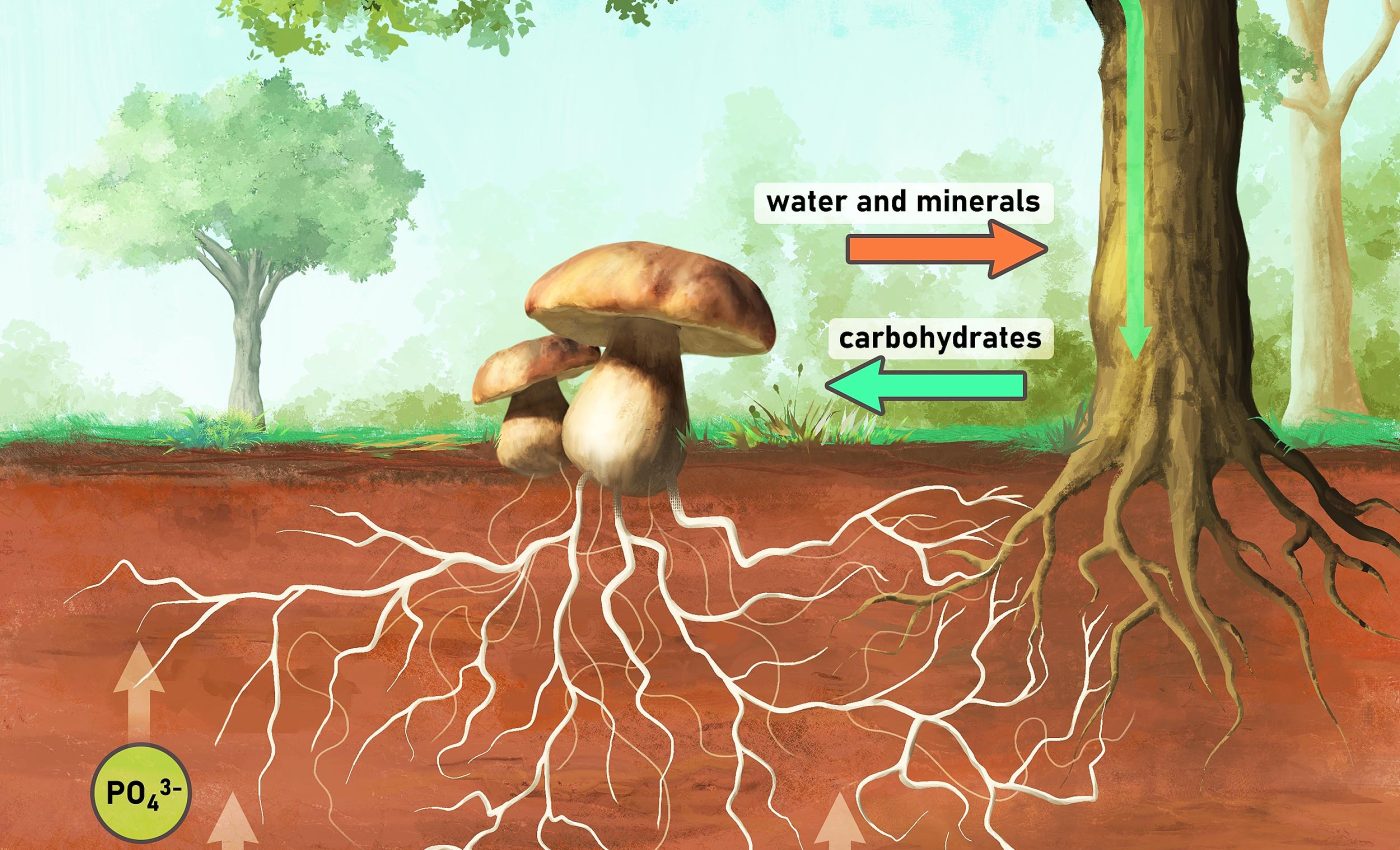
Mycorrhizal fungi do not function as isolated organisms. Their networks can link multiple plants simultaneously, forming interconnected systems often described as common mycorrhizal networks.
Through these networks, nutrients can be redistributed between plants. Fungi may transport resources from one plant to another, balancing availability across the ecosystem. At the same time, chemical signals related to stress, such as drought or disease, can travel through these connections, allowing neighboring plants to prepare defensive responses.
This transforms ecosystems into coordinated systems rather than collections of individual organisms.
Equally important is the diversity within fungal communities. Different AMF species possess different functional traits, including nutrient efficiency and tolerance to environmental stress. Over time, these communities adapt to local conditions, reflecting the history of their environment.
The “Living Library” Concept
Why are mycorrhizal fungi considered a form of ecological memory?


The idea of fungi as a “living library” reflects how these systems store ecological knowledge.
Instead of written records, fungal communities preserve information through biological adaptation. Each fungal strain represents generations of interaction with soil, climate, and plant life. Some are adapted to drought conditions, others to nutrient-poor soils or temperature extremes.
When plants connect to these networks, they gain access to this accumulated experience. The fungi provide not only nutrients but also strategies shaped by past environmental challenges.
In this sense, mycorrhizal networks act as a form of ecological memory. They encode what has worked in a given environment over time.
Destroying them is not simply removing organisms. It is erasing a record of adaptation.
Disruption and Loss
What happens when mycorrhizal fungal networks are damaged?
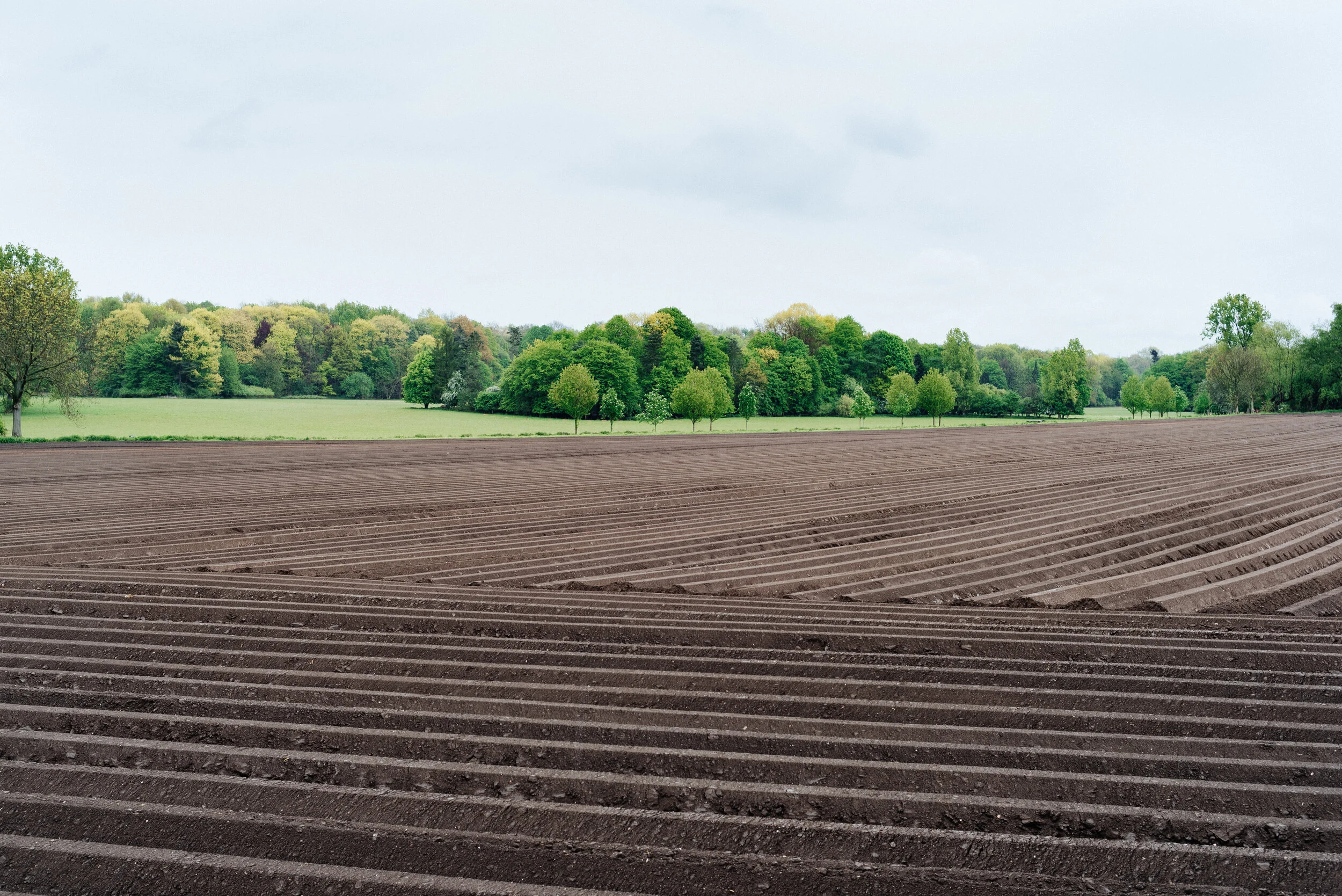
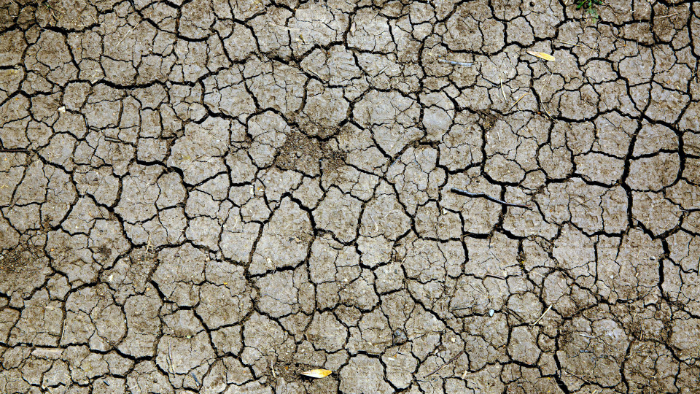

Modern land-use practices are disrupting fungal systems on a global scale.
Intensive tilling physically breaks apart fungal networks that may have taken years to develop. Monoculture farming reduces plant diversity, limiting the range of fungal interactions. Heavy use of synthetic fertilizers reduces the plant’s reliance on fungi, weakening the symbiotic relationship. Soil erosion can remove entire microbial communities.
The consequences are significant. Soils with degraded fungal networks often show reduced nutrient efficiency and increased dependence on chemical inputs. Their ability to retain carbon declines, and plant resilience to drought and stress decreases.
As these networks disappear, ecosystems lose their capacity to self-regulate. They may become more productive in the short term, but more fragile over time.
Climate and Resilience
How do mycorrhizal fungi support climate adaptation?

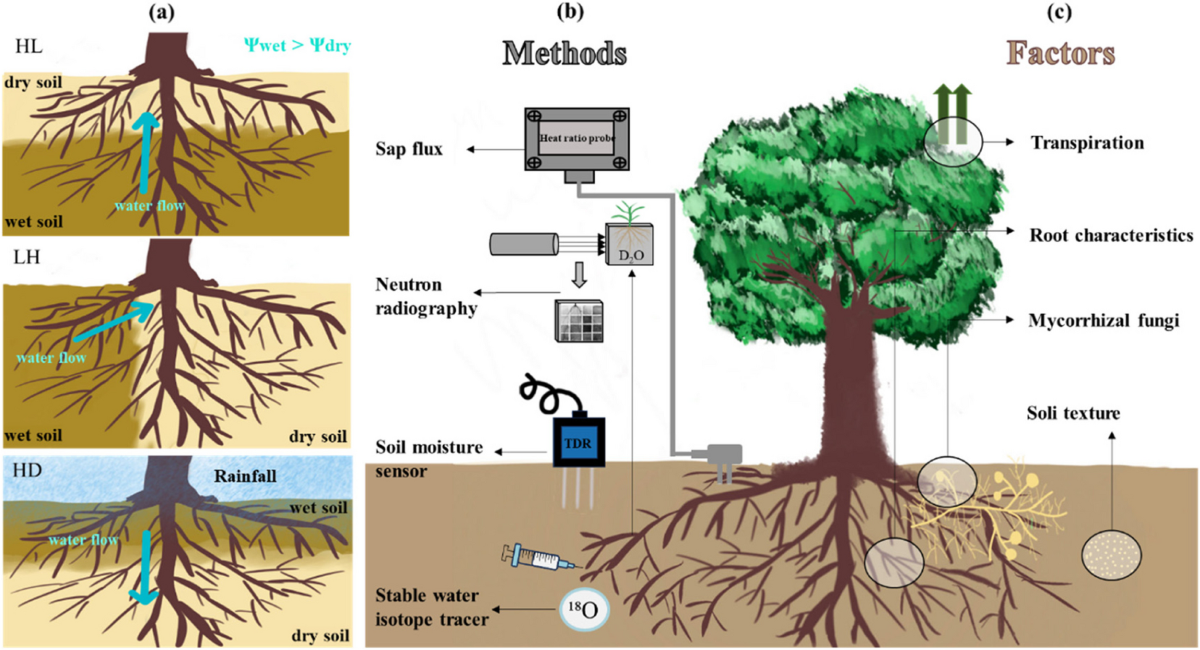

As climate change intensifies, mycorrhizal fungi play an increasingly important role in ecosystem resilience.
Healthy fungal networks improve plant tolerance to drought by enhancing water uptake and stabilizing soil conditions. They also increase nutrient efficiency under changing environmental conditions and contribute to carbon sequestration by supporting soil structure.
Ecosystems with intact fungal communities are better able to withstand environmental stress, including heat, water scarcity, and nutrient fluctuations. In contrast, ecosystems with degraded fungal systems are more vulnerable to collapse.
Fungi are not just participants in ecosystems. They are foundational components of resilience.
Opportunities and Restoration
Can damaged fungal networks be restored?


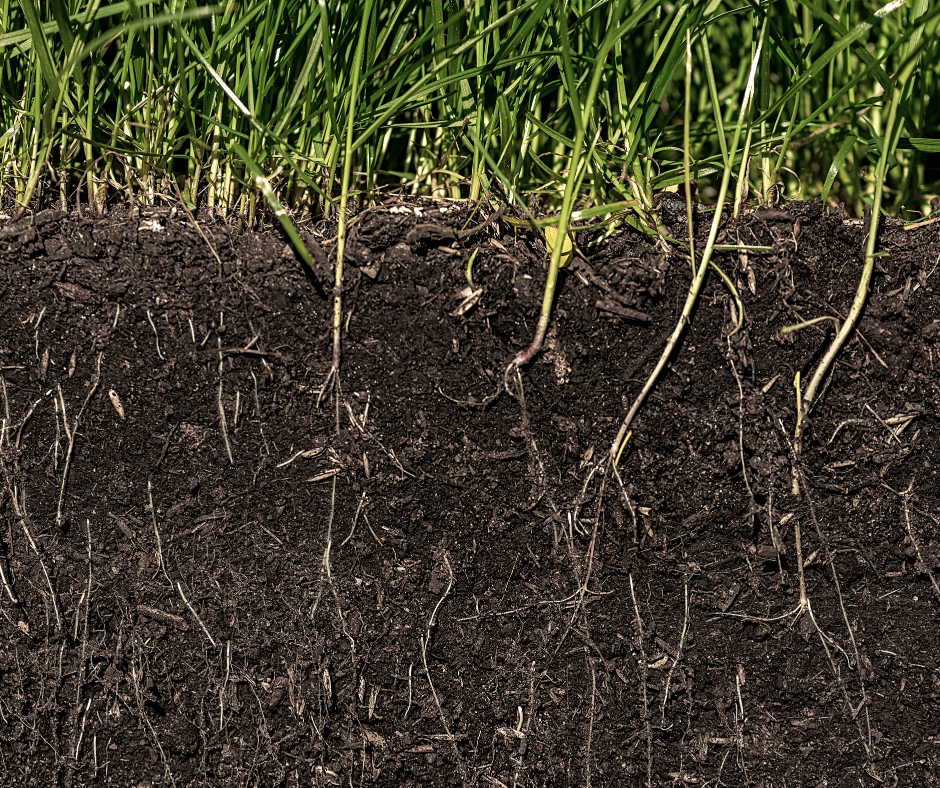
Recognizing fungi as a living infrastructure changes how we approach land management and agriculture.
Regenerative practices aim to rebuild soil biology alongside plant systems. Techniques such as reduced tillage, crop rotation, cover cropping, and organic amendments help preserve and restore fungal networks.
However, recovery is not immediate. Mycorrhizal systems develop gradually, shaped by plant diversity, soil conditions, and time. Once disrupted, they cannot be quickly replaced.
Restoration therefore involves more than replanting vegetation. It requires rebuilding the relationships between plants, fungi, and their environment.
A New Way to See Soil
Why does the “living library” idea matter for the future?
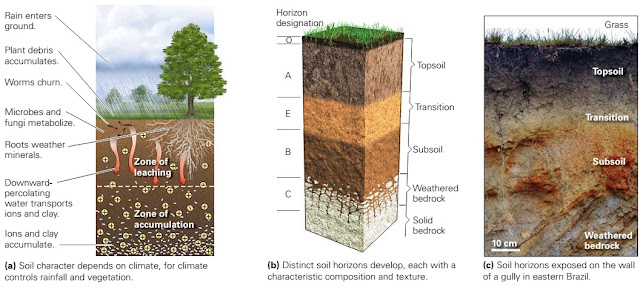

Understanding fungi as a living library shifts how we think about ecosystems. Soil is no longer just a medium for plant growth. It is a dynamic, information-rich system that supports life above ground.
This perspective highlights the importance of preserving biological complexity. The resilience of ecosystems depends not only on visible biodiversity but also on the invisible networks beneath the surface.
Protecting these systems means protecting the accumulated ecological knowledge they contain.
❓ FAQ
What are mycorrhizal fungi?
Mycorrhizal fungi are soil organisms that form symbiotic relationships with plant roots. They help plants absorb nutrients and water while receiving carbon in return.
Why are they called a “living library”?
Because fungal communities store ecological information through adaptation. Each species reflects past environmental conditions and survival strategies.
How do farming practices affect these fungi?
Practices such as intensive tilling, monoculture planting, and heavy fertilizer use can damage fungal networks and reduce their effectiveness.
Can mycorrhizal networks improve climate resilience?
Yes. They enhance water and nutrient uptake, stabilize soil, and contribute to carbon storage, helping ecosystems adapt to environmental stress.
Is it possible to restore damaged fungal systems?
Restoration is possible but slow. It requires regenerative practices that rebuild soil biology over time rather than relying on short-term inputs.
Key Takeaways
- Please login Why mycorrhizal fungi may hold the key to ecosystem survival — and what happens when we erase them
- These organisms form symbiotic relationships with plant roots, connecting ecosystems into a functional whole.
- However, this exchange is only part of a larger system.
- What appears to be soil is actually a living infrastructure supporting life on land.
- Through these networks, nutrients can be redistributed between plants.
Frequently Asked Questions
What should you know about please login to bookmark?
Please login Why mycorrhizal fungi may hold the key to ecosystem survival — and what happens when we erase them
What should you know about the Hidden Infrastructure of Life?
Beneath forests, fields, and grasslands lies a vast underground network built by arbuscular mycorrhizal fungi (AMF). These organisms form symbiotic relationships with plant roots, connecting ecosystems into a functional whole.
What are mycorrhizal fungi and why are they essential for ecosystems?
Beneath forests, fields, and grasslands lies a vast underground network built by arbuscular mycorrhizal fungi (AMF). These organisms form symbiotic relationships with plant roots, connecting ecosystems into a functional whole.
What should you know about from Roots to Networks?
Mycorrhizal fungi do not function as isolated organisms. Their networks can link multiple plants simultaneously, forming interconnected systems often described as common mycorrhizal networks.
How do mycorrhizal fungi connect plants into ecological systems?
Mycorrhizal fungi do not function as isolated organisms. Their networks can link multiple plants simultaneously, forming interconnected systems often described as common mycorrhizal networks.