
Fungi at the Forefront of Food Innovation
When we talk about the future of food, most of us picture vertical farms or lab-grown beef, but a quieter, more versatile revolution is underway in the world of fungi. For decades, mycoprotein—protein-rich food made from filamentous fungi—has been a staple for vegetarians and eco-conscious eaters. The star of this movement is Fusarium venenatum, the microbe behind the popular meat substitute Quorn. Yet even this proven performer has faced obstacles: slow growth, relatively high energy requirements, and the stubborn toughness of fungal cell walls, which can limit nutrient absorption and textural quality. Now, a team of scientists at the University of Cambridge has set out to upgrade the fungal food factory, using CRISPR gene editing to reshape the very structure of F. venenatum. Their results? A new strain that is faster, more efficient, and even greener—raising the bar for what microbial protein can achieve.

The Science of Streamlined Fungi
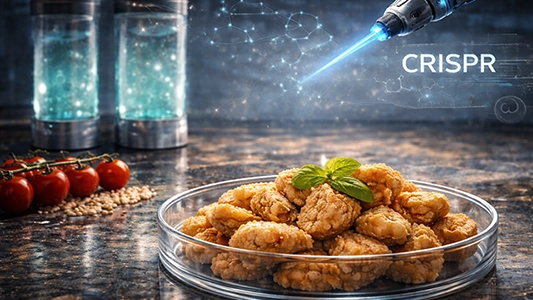
The ingenuity of this breakthrough lies in its simplicity. Instead of adding new genes from foreign organisms—a process that often triggers consumer skepticism and regulatory headaches—the research team used the precise scissors of CRISPR-Cas9 to snip out two genes responsible for thickening the cell wall. Why does this matter? Fungal cell walls are tough, made from a mix of chitin and glucan that, while harmless, are hard to digest and act as a barrier to the full nutritional potential of mycoprotein. By removing these genes, the scientists achieved a double win: the fungus now grows about 20% faster and converts sugar feed into protein more efficiently, while the cell walls are thinner and more digestible for humans. This isn’t just a small tweak—the modified fungus requires less input, yields more output, and does so with 60% less greenhouse gas emissions than its traditional cousin. All this is accomplished without introducing foreign DNA, which could be the key to gaining faster regulatory approval in global markets that are cautious about GMOs.

A Solution for the Protein Paradox
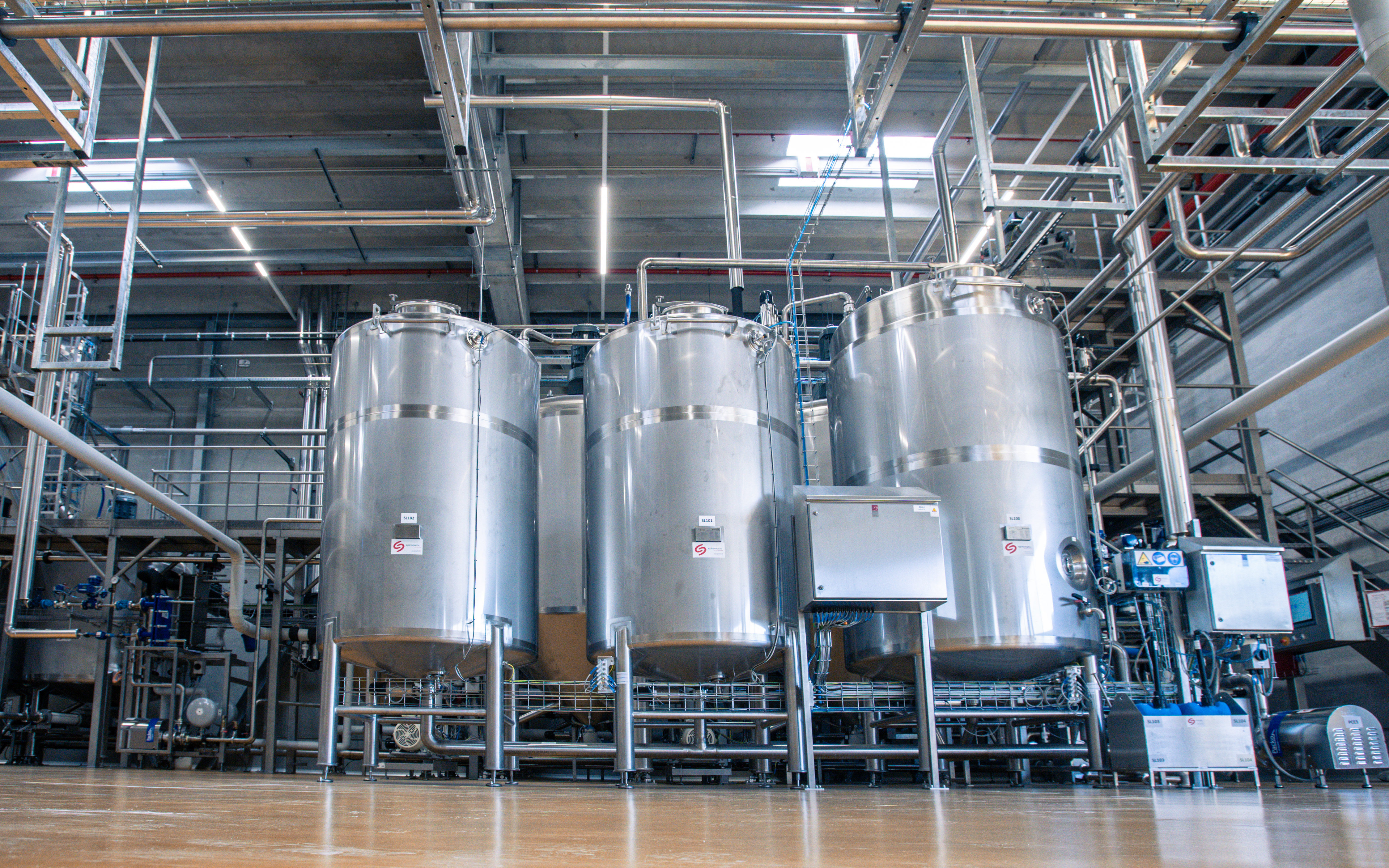
Feeding nearly 10 billion people by 2050 is one of the greatest challenges facing humanity. Livestock farming, while central to many diets, accounts for an outsized share of greenhouse gas emissions, land use, and water consumption—over 14% of global emissions according to the Food and Agriculture Organization. The beauty of fungal protein is its efficiency: F. venenatum grows in fermentation tanks, needs only a fraction of the land used by cattle, and can thrive in a wide variety of environments, from city rooftops to resource-scarce regions. The new gene-edited strain turbocharges these benefits, requiring less sugar and less energy to grow, and producing more usable protein per batch. This means that sustainable protein can be produced closer to where it’s needed, reducing transportation emissions and increasing food security in urban and climate-stressed settings. For governments and companies racing to hit climate targets, the economic and environmental logic of next-generation mycoprotein is compelling.


Closer to Real Meat—Taste and Texture Advances
Taste remains the last—and perhaps most important—frontier for any meat alternative. While traditional mycoprotein already offers a more meat-like texture than most plant-based products, it can be fibrous or spongy, a side effect of those tough cell walls. The innovation here doesn’t just speed up growth or boost yield: it also creates a smoother, more appealing bite. In early sensory trials, products made with the new strain were reported to be juicier, chewier, and more similar to chicken or pork in both flavor and mouthfeel. Nutritionally, they’re winners too: higher in protein per calorie, with fewer indigestible carbohydrates. As flexitarianism rises and more people seek healthy, sustainable diets, this could tip the scales for consumers on the fence about “fake meat.” For athletes, older adults, or anyone needing easily absorbed protein, the thinner cell walls and higher digestibility offer added advantages that could make mycoprotein a staple far beyond the vegetarian aisle.
Food Security, Speed, and Scale
Why is this innovation especially timely? The world’s population is not only growing—it’s urbanizing and becoming more vulnerable to climate shocks and supply disruptions. Microbial fermentation tanks can be sited almost anywhere, bringing high-protein food production into cities, arid regions, or even disaster response hubs. Unlike crops, fungal protein production isn’t tied to seasons or rainfall and isn’t threatened by pests or drought. Production can be scaled up or down in weeks, providing an agile response to spikes in demand or disruptions in global supply chains. The gene-edited Fusarium strain further boosts this agility, delivering more food with fewer resources and a smaller carbon footprint. And because it’s produced by removing, not adding, genes, there’s hope that regulatory frameworks—especially in Europe and other markets wary of GMOs—will be more welcoming, accelerating the global rollout of this protein technology.
Looking Forward: Infrastructure for a New Food System
The implications extend far beyond supermarket shelves. Next-generation mycoprotein could help meet nutritional needs in emergency situations, serve as a sustainable base for school or hospital meals, or even be part of food production systems for future space missions. Companies working with this upgraded strain aim to partner with existing mycoprotein producers, meaning that improvements could reach consumers quickly, with familiar safety and quality controls. In a world facing climate uncertainty and population pressures, this is more than a dietary trend—it’s a practical blueprint for food security that combines the best of biology, technology, and sustainability. The MoldNewsHub perspective is simple: as fungi become ever more central to our diets and economies, understanding and accepting these innovations could shape how—and how well—we eat for generations to come.
From Patagonia to the World
What’s perhaps most hopeful about Patagonia’s mycoculture is its global relevance. The lessons being learned here—about ingenuity, circularity, and local empowerment—can inspire regions far beyond the southern Andes. In a world searching for sustainable food systems, climate solutions, and economic dignity, the tools of fungiculture are adaptable and scalable. Patagonia’s story reminds us that innovation often springs from the margins—and that fungi, the planet’s oldest recyclers, may just be key architects of our future.
So as the mushroom beds multiply in southern Chile and Argentina, and as new mycotech workshops light up rural towns, Patagonia is quietly seeding a future where fungi aren’t just food, but a foundation for regeneration, connection, and hope.
References
Academic Sources
- Finnigan, T., et al. (2019). Mycoprotein: environmental and nutritional benefits. Current Opinion in Biotechnology. DOI: 10.1016/j.copbio.2019.05.009
- Meyer, V. (2022). Filamentous fungi as microbial cell factories. Fungal Biology and Biotechnology. DOI: 10.1186/s40694-022-00139-3
- Gene editing of Fusarium venenatum for improved biomass and digestibility. Biotechnology Journal.
Official & Institutional Sources
- Food and Agriculture Organization (FAO) – Livestock and emissions overview: https://www.fao.org
- World Health Organization (WHO) – Sustainable diets guidance: https://www.who.int
- European Food Safety Authority (EFSA) – Novel foods framework: https://www.efsa.europa.eu
Key Takeaways
- For decades, mycoprotein—protein-rich food made from filamentous fungi—has been a staple for vegetarians and eco-conscious eaters.
- Now, a team of scientists at the University of Cambridge has set out to upgrade the fungal food factory, using CRISPR gene editing to reshape the very structure of F.
- Fungal cell walls are tough, made from a mix of chitin and glucan that, while harmless, are hard to digest and act as a barrier to the full nutritional potential of mycoprotein.
- All this is accomplished without introducing foreign DNA, which could be the key to gaining faster regulatory approval in global markets that are cautious about GMOs.
- venenatum grows in fermentation tanks, needs only a fraction of the land used by cattle, and can thrive in a wide variety of environments, from city rooftops to resource-scarce regions.
Frequently Asked Questions
What should you know about fungi at the Forefront of Food Innovation?
When we talk about the future of food, most of us picture vertical farms or lab-grown beef, but a quieter, more versatile revolution is underway in the world of fungi. For decades, mycoprotein—protein-rich food made from filamentous fungi—has been a staple for vegetarians and eco-conscious eate
What should you know about the Science of Streamlined Fungi?
The ingenuity of this breakthrough lies in its simplicity. Instead of adding new genes from foreign organisms—a process that often triggers consumer skepticism and regulatory headaches—the research team used the precise scissors of CRISPR-Cas9 to snip out two genes responsible for thickening the cel
What should you know about a Solution for the Protein Paradox?
Feeding nearly 10 billion people by 2050 is one of the greatest challenges facing humanity. Livestock farming, while central to many diets, accounts for an outsized share of greenhouse gas emissions, land use, and water consumption—over 14% of global emissions according to the Food and Agricult
What should you know about closer to Real Meat—Taste and Texture Advances?
Taste remains the last—and perhaps most important—frontier for any meat alternative. While traditional mycoprotein already offers a more meat-like texture than most plant-based products, it can be fibrous or spongy, a side effect of those tough cell walls. The innovation here doesn’t just speed up g
What should you know about food Security, Speed, and Scale?
Why is this innovation especially timely? The world’s population is not only growing—it’s urbanizing and becoming more vulnerable to climate shocks and supply disruptions. Microbial fermentation tanks can be sited almost anywhere, bringing high-protein food production into cities, arid regions, or e