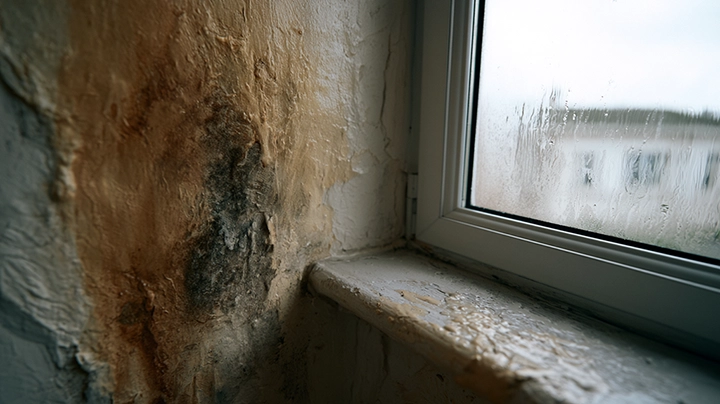

Black mold growing on an inorganic surface. Indoor mold exposure has long been associated with respiratory symptoms — but emerging research suggests its health effects may extend further.Credit:
Chuck Marean / Wikimedia Commons, CC BY-SA 3.0Indoor mold is most commonly discussed as a respiratory concern. Damp homes and musty odors are frequently associated with allergies, asthma symptoms, coughing, sinus irritation, and poor indoor air quality. A 2026 studypublished in BMC Geriatrics suggests that conversation may need to become broader.
Researchers investigated whether household mold exposure might also be associated with arthritis among older adults. Analyzing data from 4,063 adults aged 67 to 117 years from a 2014 survey wave, they examined whether participants who reported frequent mildew odors or musty smells at home were more likely to report arthritis.
The study does not prove that household mold causes arthritis. What it found was a consistent association across multiple analyses — one that makes the finding worthy of further scientific attention.
The significance extends beyond arthritis. It highlights how indoor environmental quality may influence healthy aging in ways that reach well beyond respiratory symptoms, and how damp, poorly maintained housing may carry health consequences that science is only beginning to map.
Why Older Adults May Be Particularly Vulnerable
Aging populations often spend more time indoors than younger adults. Mobility limitations, chronic illness, retirement, and reduced outdoor activity can significantly increase daily hours spent inside the home.
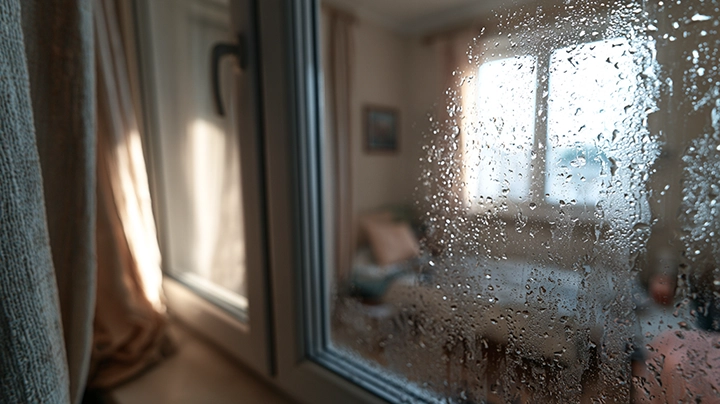
At the same time, many older adults live in aging housing stock where moisture problems, poor ventilation, condensation, water intrusion, and deteriorating building materials are more common. These conditions can support persistent microbial growth and musty odors that continue for months or years without remediation.
The study’s authors note that older adults may be especially sensitive to environmental exposures because aging is frequently accompanied by physiological changes, reduced immune resilience, and higher rates of chronic disease.
This makes housing quality an increasingly important public-health consideration. A musty odor may seem like a minor inconvenience, but it often signals moisture imbalance and building conditions that deserve careful attention — particularly in homes occupied by older residents who may have limited options for relocation or remediation.
What the Study Found
The study identified a statistically significant association between reported household mold exposure and arthritis.
After adjusting for demographic, lifestyle, and health-related variables, participants who reported frequent mildew odors or musty smells in their homes were more likely to report arthritis than those who did not report mold exposure. The association remained consistent across multiple sensitivity analyses designed to reduce potential bias and improve comparability between groups.
Researchers also analyzed data from a later survey wave and adjusted for additional factors including indoor ventilation frequency, vitamin supplementation, and analgesic use. The association persisted across these adjustments.
For readers, the most important message is not a precise statistical figure. It is the consistency of the observation. Across different analytical approaches, older adults living in homes with frequent mildew odor were more likely to report arthritis.
That consistency makes the finding scientifically meaningful — not conclusive, but meaningful enough to warrant further investigation.
Association Is Not Proof of Causation
The study’s most important limitation is also one of its most important lessons for health literacy.
This was a cross-sectional observational study. Researchers observed patterns within a population at a given time, but could not determine whether mold exposure directly caused arthritis in any individual.
Mold exposure was measured using a survey question asking whether the home frequently had a mildew odor or musty smell. Arthritis was also assessed through self-report. Researchers did not directly measure indoor fungal species, airborne spore concentrations, microbial fragments, mycotoxins, moisture levels, or building conditions. They also did not clinically verify arthritis subtypes such as osteoarthritis, rheumatoid arthritis, or gout.
The correct interpretation remains cautious: the study found that older adults reporting mold-related odors at home were more likely to report arthritis. It did not prove that household mold causes arthritis.
This distinction matters. Good science communication requires recognizing meaningful signals without transforming associations into medical claims.
How Mold Could Potentially Influence Inflammation

Stachybotrys chartarum, one of the mold species associated with damp buildings, can produce mycotoxins that may interact with immune and inflammatory pathways.Credit:
Joshua Laurila / Mushroom Observer / Wikimedia Commons, CC BY-SA 3.0One reason this study attracted scientific attention is that several biologically plausible mechanisms may connect mold exposure with inflammatory processes.
Fungi contain cell-wall components such as β-glucans that can interact with innate immune receptors. These interactions may activate immune signaling pathways involved in inflammation. The study’s authors discuss pathways involving IL-23 and IL-17 — molecules already known to play roles in immune regulation and certain arthritis-related conditions.
The research also notes that some molds produce mycotoxins capable of affecting multiple biological systems. Researchers suggest these compounds may influence epithelial barriers, immune responses, oxidative stress, gut microbiota, and inflammasome activity.
These mechanisms remain hypothetical within the context of this population study. The research did not directly measure these pathways in participants.
Nevertheless, they help explain why mold exposure may be relevant to more than respiratory health. Indoor mold exposure is biologically complex. It may involve spores, fungal fragments, allergens, microbial volatile compounds, β-glucans, and occasionally mycotoxins — each capable of interacting with the body in different ways depending on exposure duration, concentration, and individual susceptibility.
Housing Quality Is Also a Healthy Aging Issue

Water damage from a faulty downpipe illustrates how moisture intrusion can compromise building materials — a common source of persistent dampness in aging homes.Credit:
Nino Barbieri / Wikimedia Commons, CC BY-SA 2.5One of the study’s most practical messages has little to do with arthritis specifically and everything to do with the broader relationship between housing and health.
Indoor mold is rarely a simple cleaning problem. In most cases, it is a moisture-management problem. Persistent dampness, water intrusion, leaks, condensation, poor ventilation, and water-damaged building materials create conditions that sustain microbial growth and musty odors over long periods.
For older adults, these conditions may become chronic exposure environments. Someone with limited mobility may spend many hours each day inside the same indoor space, amplifying the potential health importance of building quality and indoor environmental conditions.
Healthy aging therefore requires more than access to medical care. It also depends on safe, dry, well-ventilated housing that reduces environmental burden and supports physical comfort, thermal stability, and long-term resilience.
A healthy home is not a luxury. For aging populations, it may be a significant determinant of health outcomes.
Ventilation and Moisture Control Remain the First Line of Defense
The study’s sensitivity analysis included adjustment for indoor ventilation frequency — reinforcing the practical importance of moisture management in aging homes.
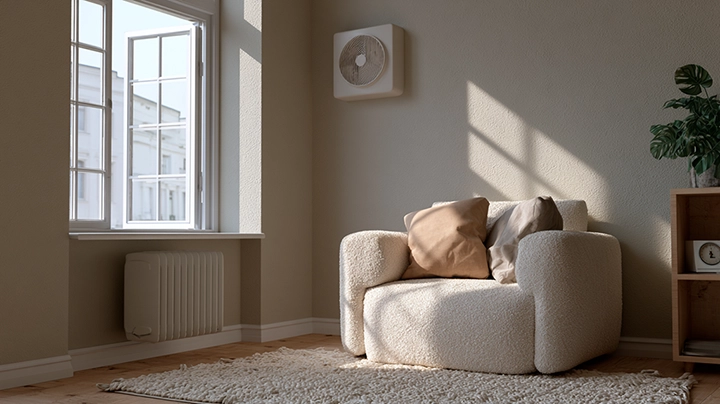
Ventilation is not a substitute for mold remediation, but it remains an important component of controlling indoor moisture and reducing airborne microbial load. Homes should address moisture problems at their source through leak repair, drainage improvements, prompt drying of water-damaged materials, humidity control, and improved airflow.
A persistent musty odor should not be dismissed. It is often the earliest warning sign of moisture problems developing behind walls, beneath flooring, around window frames, or within building materials — locations where delays in remediation may worsen conditions substantially.
For older adults, children, immunocompromised individuals, and people with chronic respiratory or inflammatory conditions, these warning signs deserve particularly prompt attention.
The appropriate public-health response to damp housing is not fear. It is prevention.
Indoor Environmental Quality and Long-Term Health
One of the broader lessons from this research is that indoor environments influence more than immediate comfort.
Public health increasingly recognizes that housing conditions shape long-term health outcomes. Exposure to persistent dampness, inadequate ventilation, poor air quality, thermal extremes, and building deterioration can affect physical and psychological well-being across years and decades.
This research contributes to a growing body of evidence suggesting that indoor environmental quality should be considered part of healthy-aging infrastructure — alongside healthcare access, nutrition, social engagement, and physical activity.
Whether future studies confirm a direct link between mold exposure and arthritis or identify other mechanisms, improving housing quality for aging populations remains a valuable public-health investment with consequences far broader than mold alone.
Healthy Aging Starts With Healthy Homes
The study does not prove that household mold causes arthritis. What it demonstrates is that older adults living in homes with frequent mildew odors were more likely to report arthritis — even after researchers adjusted for numerous potential confounding factors.
That finding alone deserves attention.
As populations age worldwide, public-health discussions increasingly focus on healthcare systems, medications, and clinical chronic disease management. Yet the environments in which older adults live are equally important. A daily indoor environment characterized by persistent dampness, poor airflow, and microbial odors may contribute to health burdens that medical care alone cannot fully address.
The future of healthy aging may depend not only on what happens in hospitals and clinics, but also on what happens inside homes.
Because the quality of a building can influence the quality of life of the people living within it.
Common Indoor Mold Species Referenced in This Article
Cladosporium herbarum, Aspergillus niger, Penicillium chrysogenum, Alternaria alternata, and Stachybotrys chartarumare among the mold species commonly associated with damp indoor environments. These organisms can contribute to the musty odors, airborne spores, and bioactive compounds discussed in indoor mold exposure research.
FAQ: Household Mold and Arthritis Risk
Can household mold cause arthritis?
This study does not prove causation. It found an association between reported mold odors and higher odds of self-reported arthritis among older adults.
Why might mold exposure be linked to inflammation?
Mold exposure may involve β-glucans, fungal fragments, allergens, microbial volatile compounds, and occasionally mycotoxins that interact with immune and inflammatory pathways.
Why are older adults more vulnerable to damp housing?
Older adults often spend more time indoors and may have age-related physiological changes, chronic illnesses, or reduced resilience to environmental stressors.
How was mold exposure measured in the study?
Researchers used self-reported household mildew odor or musty smell as a practical indicator of mold exposure.
What should families do if a home smells musty?
Investigate moisture sources, repair leaks, improve ventilation, control humidity, and address water-damaged materials before problems worsen.
References
- Association between household mold exposure and arthritis in older adults. BMC Geriatrics (2026). https://link.springer.com/article/10.1186/s12877-026-07096-4