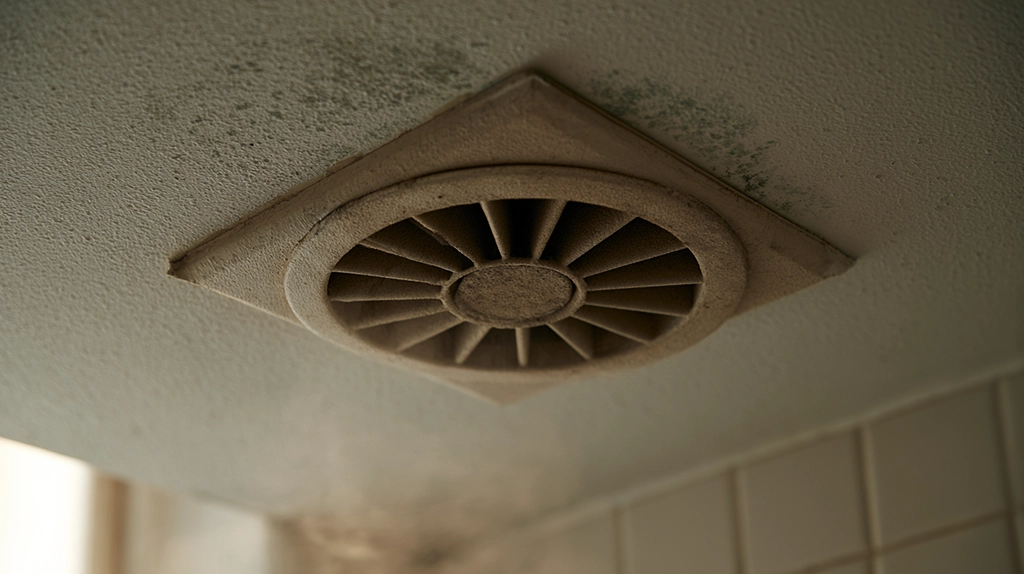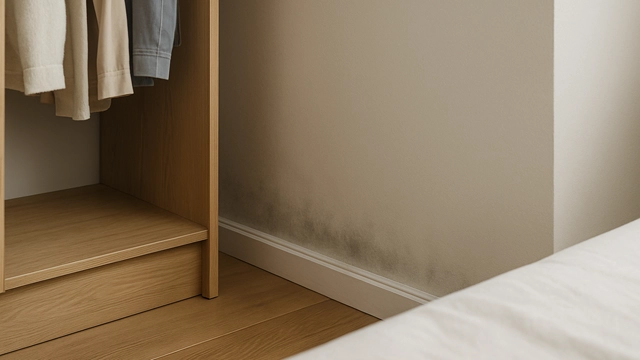


Dark corners, a musty smell, or that constant scratch in your throat — these little annoyances might be more than coincidences. They could be early signs that mold is quietly growing inside your home. Mold doesn’t just make your space look unclean; it can also affect your health over time. To stop it early, you need to recognize the subtle clues before the colonies spread.
1. Visible Signs: Small Spots That Tell a Bigger Story
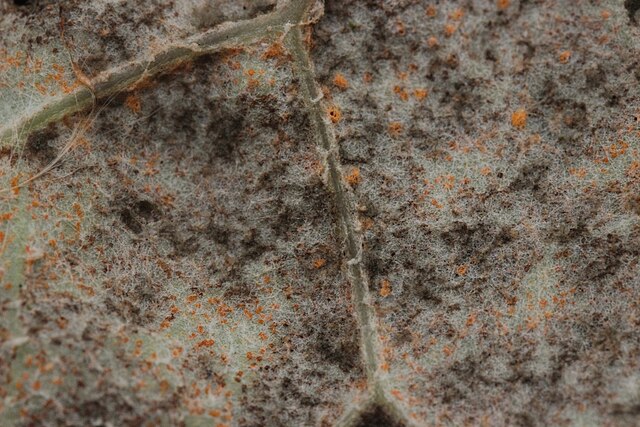
The most obvious warning sign is what you can see. Mold often starts as tiny dots that resemble dust, stains, or shadows. As the hyphae spread, these dots merge into fuzzy or powdery patches — what we call mold colonies.
Color is the easiest clue to identify:
- Black or dark gray spots – Often caused by Aspergillus niger or Stachybotrys chartarum, typically found on bathroom ceilings, corners, or window frames. These thrive in persistently damp areas and may feel slightly sticky or oily.
- Green or olive patches – Commonly Penicillium or Cladosporium, which grow on wooden furniture, leather, or carpet edges. Their surfaces are powdery and can release spores with a light touch.
- Yellow or brown stains – Usually indicate water damage, where bacteria and fungi coexist. Even if the surface looks intact, mold may already be spreading underneath.
- White fuzzy layers – Represent early hyphal growth, often on wood, cardboard, or paper surfaces. They appear soft and may feel slightly slick to the touch.
Common hiding spots:
- Bathroom and kitchen corners, where steam condenses.
- Window edges and air vents, where temperature differences cause moisture.
- The back of wardrobes or bed frames pressed against walls with poor airflow.
- Basement walls or areas near the floor where moisture rises from the ground.
Sometimes mold doesn’t appear as visible colonies at all. Subtle changes such as bubbling paint, peeling wallpaper, yellowish water stains, or darkened wall color often mean that moisture has already penetrated deep into the structure — a clear warning that hidden mold growth has begun.
2. Smell It Before You See It
If you notice a persistent musty or earthy odor, it’s often the first real indicator of mold. This smell isn’t just “humidity” — it comes from microbial volatile organic compounds (mVOCs) released during fungal metabolism.
These gases spread through air currents, filling your home with that old, stale odor. If ventilation or cleaning doesn’t remove it, the source is likely hidden mold inside walls, floors, or ventilation ducts.
3. When Your Body Reacts Before Your Eyes Do
Your body can detect mold even when your eyes can’t. Symptoms like nasal congestion, sneezing, itchy eyes, sore throat, or skin irritation that occur only indoors are strong warning signs of airborne mold spores.
For people with asthma or allergies, the effects are more pronounced — prolonged exposure can trigger chronic sinus inflammation or asthma flare-ups. The American Academy of Allergy, Asthma & Immunology (AAAAI) notes that molds such as Aspergillus, Cladosporium, and Alternaria are among the most common allergens found in homes.
4. Hidden Mold: Where It Grows Out of Sight

Even when no visible mold is present, colonies may already be thriving in concealed spaces such as:
- Inside walls and above ceilings – Moisture from leaks or condensation encourages internal growth.
- Behind furniture or inside wardrobes – Poor airflow traps humidity.
- Under carpets or wood flooring – Water spills or incomplete drying create ideal microclimates.
- Air conditioners and ventilation ducts – Dust and condensation combine to form invisible breeding sites.
Hidden mold continues to release spores and musty odors. If you smell mold but can’t find it, consider professional air testing or wall cavity inspection.
5. Early Detection Is the Best Protection

Once mold spreads beneath walls or furniture, removing it often requires costly reconstruction. Recognizing early visual, olfactory, and physical symptoms lets you act before it’s too late — by controlling humidity, improving ventilation, and repairing leaks.
According to the World Health Organization (WHO), dampness and poor ventilation are key factors that allow household mold to thrive.
Remember: if you see discoloration, smell mustiness, or start sneezing indoors, it’s your home sending a signal — time to let the air breathe again.
References
- American Academy of Allergy, Asthma & Immunology (AAAAI). (2024). Indoor mold and health information portal.
- World Health Organization (WHO). (2023). Indoor Air Quality: Dampness and Mould Guidelines.
- PubChem Database: Volatile organic compound (mVOCs) — PubChem CID 3132750
Key Takeaways
- They could be early signs that mold is quietly growing inside your home.
- To stop it early, you need to recognize the subtle clues before the colonies spread.
- Mold often starts as tiny dots that resemble dust, stains, or shadows.
- If you notice a persistent musty or earthy odor, it’s often the first real indicator of mold.
- These gases spread through air currents, filling your home with that old, stale odor.
Frequently Asked Questions
What should you know about please login to bookmark?
Please login Early mold growth visible on indoor wall corners and window frames — Source: Wikimedia Commons Dark corners, a musty smell, or that constant scratch in your throat — these little annoyances might be more than coincidences. They could be early signs that mold is quietly growing insi
What should you know about 1. Visible Signs: Small Spots That Tell a Bigger Story?
The most obvious warning sign is what you can see. Mold often starts as tiny dots that resemble dust, stains, or shadows. As the hyphae spread, these dots merge into fuzzy or powdery patches — what we call mold colonies.
What should you know about 2. Smell It Before You See It?
If you notice a persistent musty or earthy odor, it’s often the first real indicator of mold. This smell isn’t just “humidity” — it comes from microbial volatile organic compounds (mVOCs) released during fungal metabolism.
What should you know about 3. When Your Body Reacts Before Your Eyes Do?
Your body can detect mold even when your eyes can’t. Symptoms like nasal congestion, sneezing, itchy eyes, sore throat, or skin irritation that occur only indoors are strong warning signs of airborne mold spores.
What should you know about 4. Hidden Mold: Where It Grows Out of Sight?
Even when no visible mold is present, colonies may already be thriving in concealed spaces such as: