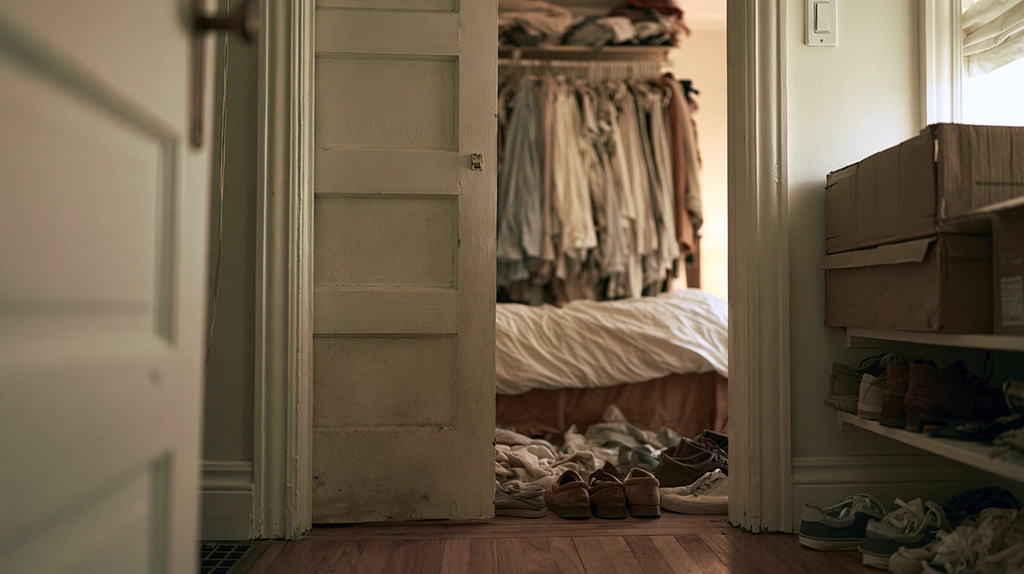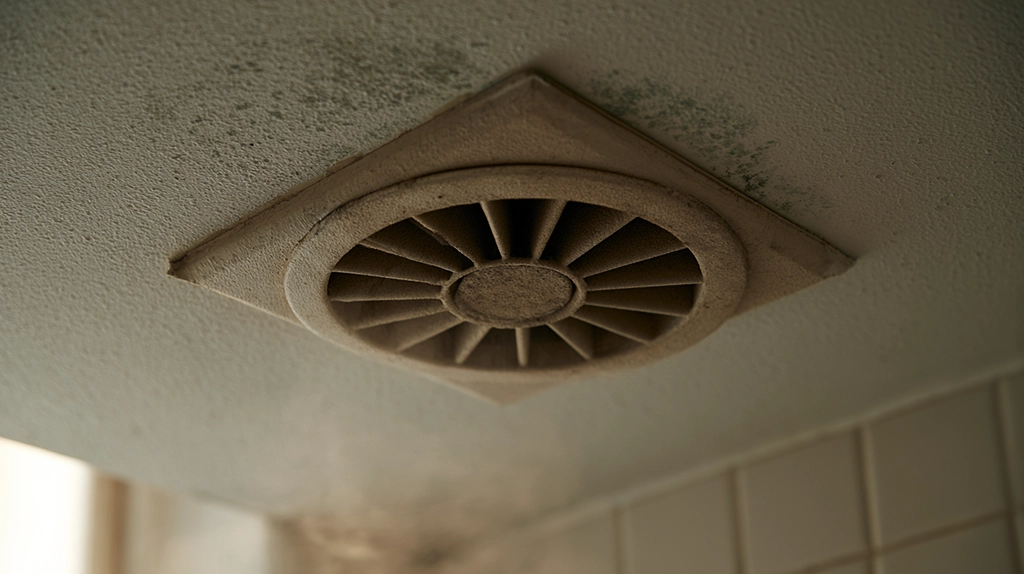

Sometimes you notice a musty smell in your room but can’t find where it’s coming from. The walls look clean, yet your nose feels itchy, your eyes water, or you keep coughing. It’s not your imagination—those symptoms may come from mold growing inside your walls. Even when hidden from view, mold releases microscopic spores and chemicals that can circulate through the air, affecting your breathing, skin, and even your eyes.
How does mold grow inside walls?

The most common reason is moisture. Leaky pipes, damaged waterproof layers, condensation from air conditioners, or poor insulation can trap water inside wall cavities. Once that happens, the materials behind your paint—drywall, wood, or insulation—become a perfect breeding ground for mold. The problem is that indoor mold often hides for months. Many people only discover it after noticing a strong musty odor or recurring allergy symptoms that seem worse at home than elsewhere.
Invisible spores, visible symptoms

Mold spores are smaller than pollen, usually between 2–10 micrometers wide—small enough to travel through air and enter your nose and lungs. Once inhaled, your immune system may mistake them for harmful invaders, releasing histamine and triggering sneezing, nasal congestion, coughing, or itchy eyes.
For people with asthma or allergies, long-term exposure can worsen symptoms or lead to chronic sinus inflammation.
According to the American Academy of Allergy, Asthma & Immunology (AAAAI) and the Mayo Clinic, Aspergillus fumigatus, Cladosporium, and Alternaria alternata are among the most common indoor molds that cause allergic reactions. Spores from these fungi can escape from inside walls and spread through vents, air conditioners, or cracks.
When mold becomes more than an allergen

For most healthy people, mold exposure leads to discomfort, not disease. But in individuals with weakened immune systems, diabetes, or frequent contact with contaminated materials, mold can directly infect tissues.
- On the skin: molds such as Fusarium or Aspergillus may enter through small wounds, causing fungal dermatitis or ulcers.
- In the eyes: contaminated contact lenses or rinse solutions can allow molds like Fusarium solani to infect the cornea, leading to fungal keratitis — a condition that can permanently impair vision if untreated.
- In the lungs: when mold spores reach deep tissues, they can cause aspergillosis, a serious fungal infection recognized by the U.S. Centers for Disease Control and Prevention (CDC).
How can you tell if mold is inside your walls?
Even if you can’t see it, your home gives clues. Persistent musty odor, discolored paint, peeling wallpaper, or humidity above 60% are common signs. If your allergy or asthma symptoms worsen indoors but improve when you leave, that’s another red flag. Professionals can confirm contamination using air sampling or wall cavity inspection tools.
Prevention starts with air, not walls

The key to preventing hidden mold is moisture control. Keep relative humidity between 40–50%, fix leaks quickly, and ensure steady airflow in every room. Use a dehumidifier or HEPA air purifier to reduce spores in circulation, and avoid leaving wet towels, carpets, or curtains for long periods. If you experience persistent skin irritation, cough, or eye discomfort, seek medical care and mention your living environment—mold exposure may be the missing piece.
Final thoughts: The problem isn’t the wall—it’s the air
Mold inside walls may be invisible, but its effects are real. From triggering allergies to causing infections, it travels silently through the same air we breathe. The best defense isn’t waiting for damage to appear—it’s creating a home where air stays dry, clean, and constantly moving.
References
- American Academy of Allergy, Asthma & Immunology (AAAAI). (2024). Indoor mold and allergy information.
- Mayo Clinic. (2024). Mold allergy: Symptoms and causes.
- Centers for Disease Control and Prevention (CDC). (2023). Aspergillosis.
Key Takeaways
- Please login Sometimes you notice a musty smell in your room but can’t find where it’s coming from.
- It’s not your imagination—those symptoms may come from mold growing inside your walls.
- Leaky pipes, damaged waterproof layers, condensation from air conditioners, or poor insulation can trap water inside wall cavities.
- Many people only discover it after noticing a strong musty odor or recurring allergy symptoms that seem worse at home than elsewhere.
- Once inhaled, your immune system may mistake them for harmful invaders, releasing histamine and triggering sneezing, nasal congestion, coughing, or itchy eyes.
Frequently Asked Questions
What should you know about please login to bookmark?
Please login Sometimes you notice a musty smell in your room but can’t find where it’s coming from. The walls look clean, yet your nose feels itchy, your eyes water, or you keep coughing. It’s not your imagination—those symptoms may come from mold growing inside your walls. Even when hidde
How does mold grow inside walls?
The most common reason is moisture. Leaky pipes, damaged waterproof layers, condensation from air conditioners, or poor insulation can trap water inside wall cavities. Once that happens, the materials behind your paint—drywall, wood, or insulation—become a perfect breeding ground for
What should you know about invisible spores, visible symptoms?
Mold spores are smaller than pollen, usually between 2–10 micrometers wide—small enough to travel through air and enter your nose and lungs. Once inhaled, your immune system may mistake them for harmful invaders, releasing histamine and triggering sneezing, nasal congestion, coughing, or itchy eyes.
When mold becomes more than an allergen?
For most healthy people, mold exposure leads to discomfort, not disease. But in individuals with weakened immune systems, diabetes, or frequent contact with contaminated materials, mold can directly infect tissues.
How can you tell if mold is inside your walls?
Even if you can’t see it, your home gives clues. Persistent musty odor, discolored paint, peeling wallpaper, or humidity above 60% are common signs. If your allergy or asthma symptoms worsen indoors but improve when you leave, that’s another red flag. Professionals can confi