
You use products touched by Trichoderma every day — you just don’t know it yet
If you think “mold” only refers to fuzzy bread, hairy fruit, or those stubborn black lines in the bathroom, Trichoderma will completely rewrite that picture.
It’s the kind of microorganism you never see and rarely think about, yet it quietly powers countless processes around you. From the paper in your hand, to the anti-pilling enzymes in your laundry detergent, to the fruit juice on your table, to disease protection in farm fields — even to the technologies that turn agricultural waste into fuel — Trichoderma is working behind the scenes.
It isn’t glamorous, nor is it the villain of medical thrillers. Trichoderma is a real, hard-working “microbial blue-collar worker,” and it’s becoming increasingly indispensable.
This article lifts the first layer of its story:
How did a seemingly unremarkable soil fungus become a rising star in multiple industries?
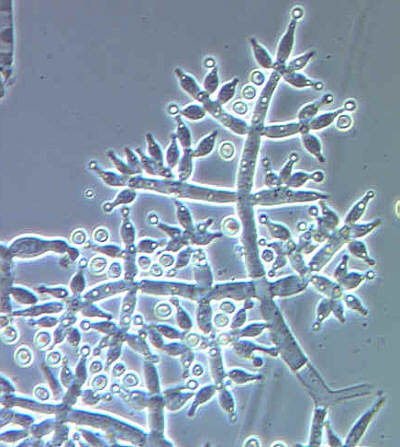
I. What Is Trichoderma? The Multitasker of the Fungal World
If soil microorganisms formed a bustling little city, Trichoderma would be the fastest, most competitive resident — the one that secures resources before anyone else and thrives under pressure.
1. A Natural “Fast-Attack Fungus”
Trichoderma comes with built-in advantages:
It grows so rapidly it can cover a Petri dish within hours.
It prefers living in leaf litter, dead wood, and the plant root zone.
It excels at breaking down organic matter, turning dead leaves and branches into nutrients.
In the wild, it’s a decomposer.
Near plant roots, it often acts as a bodyguard.
In laboratories, it becomes a workhorse.
This cross-environment adaptability already hints that Trichoderma is no ordinary mold.
2. The Four Star Members
There are many Trichoderma species, but four of them dominate the scientific and industrial spotlight:
- T. harzianum — the global heavyweight of biopesticides.
- T. viride — one of the earliest biofungicides ever commercialized.
- T. asperellum — the most widely adopted agricultural strain in recent years.
- T. reesei — the legendary “king of industrial enzymes.”
3. The Talents That Make Trichoderma a Multi-Industry Champion
Trichoderma wasn’t chosen by accident — it naturally excels in roles humans need:
.It grows fast — one of the quickest mycelial expanders in the fungal world.
.Its enzyme arsenal is powerful — capable of breaking down cellulose, plant cell walls, proteins, and chitin.
.It fights back — aggressively countering other fungi.
.It boosts plant immunity — triggering natural defense pathways.1
These abilities form the backbone of its success in agriculture, industry, and bioenergy.

II. The Trichoderma Arsenal: How It Dominates the Soil
Trichoderma isn’t successful by chance — it employs a strategic and highly effective survival toolkit.
1. Mycoparasitism: A Close-Combat Fungal Assassin
Trichoderma can physically coil around other fungi like a vine grabbing prey.
Once attached, it secretes hydrolytic enzymes that dissolve the enemy’s cell walls.
This isn’t simple competition — it’s biological assassination.
And it’s the foundation of its role as a natural biofungicide.
2. Space Competition: First Come, First Served
Because it grows so fast, Trichoderma often claims root surfaces first.
In the cramped, nutrient-limited environment around roots, the first occupant wins.
Pathogens that arrive later find no space left — the battle is over before it starts.
3. Antimicrobial Metabolites: Chemical Warfare
Trichoderma produces a wide range of secondary metabolites — including peptaibols and gliotoxin-like compounds— with strong antifungal activity.
Some are volatile and can inhibit pathogens at a distance.
This is its chemical defense system.
4. Plant Immune Activation: Making the Host Stronger
Trichoderma doesn’t just fight — it trains plants to fight better.
When roots detect Trichoderma, they activate a cascade known as Induced Systemic Resistance (ISR):
Stronger immunity
Enhanced nutrient uptake
Better tolerance to stress
Trichoderma isn’t just a soldier — it’s also a coach.

III. From Soil to Industry: The Evolution of an Unlikely Star
Its rise to industrial fame came from biology, science, and even a twist of historical luck.
1. Agriculture Was the First Step — Because It’s Easy to Grow
By the 1970s, researchers noticed:
Trichoderma is easy to mass-produce.
Production costs are low.
Spores store well.
Field effects are consistent.
It quickly became a frontrunner in biofungicides and biofertilizers.
Its “easy to cultivate” nature was its first major commercial turning point.
2. A World War II Accident: The Birth of T. reesei
This is a favorite story in microbial science.
During World War II, U.S. military teams in the South Pacific noticed something odd:
Wooden ammunition crates were being rapidly decomposed by a mysterious green fungus.
The culprit was isolated and later named T. reesei.
Its extraordinary cellulase power made it the backbone of modern enzyme industries.
Today, it drives processes behind:
Stonewashing denim
Papermaking
Food and juice processing
Laundry detergents
T. reesei is a global industrial celebrity.
3. The Age of Genetic Engineering: Trichoderma Becomes Programmable
After its genome was sequenced, scientists began tailoring its abilities:
Hyper-producing specific enzymes
Creating engineered strains for biofuel production
Producing recombinant proteins
Breaking down dyes and organic pollutants
Trichoderma shifted from “natural genius” to “customizable biological factory.”
Its industrial journey is still expanding.

References
Academic
- Druzhinina, I.S. et al. (2011). “Trichoderma: a versatile industrial workhorse.” Nature Reviews Microbiology. DOI: 10.1038/nrmicro2637
- Kubicek, C.P. et al. (2019). “The genome and industrial potential of Trichoderma reesei.” Biotechnology Advances. DOI: 10.1016/j.biotechadv.2019.01.003
- Harman, G.E. (2006). “Overview of mechanisms and uses of Trichoderma spp.” Phytopathology. DOI: 10.1094/PHYTO-96-190
Official Sources
- USDA Agricultural Research on Trichoderma
- FAO Biofungicide Guidelines
- NIH — Fungal enzyme applications database
Key Takeaways
- If soil microorganisms formed a bustling little city, Trichoderma would be the fastest, most competitive resident — the one that secures resources before anyone else and thrives under pressure.
- In the wild, it’s a decomposer.Near plant roots, it often acts as a bodyguard.In laboratories, it becomes a workhorse.This cross-environment adaptability already hints that Trichoderma is no ordinary mold.
- Trichoderma isn’t successful by chance — it employs a strategic and highly effective survival toolkit.
- Its rise to industrial fame came from biology, science, and even a twist of historical luck.
- military teams in the South Pacific noticed something odd:Wooden ammunition crates were being rapidly decomposed by a mysterious green fungus.The culprit was isolated and later named T.
Frequently Asked Questions
What should you know about please login to bookmark?
Please login You use products touched by Trichoderma every day — you just don’t know it yetIf you think “mold” only refers to fuzzy bread, hairy fruit, or those stubborn black lines in the bathroom, Trichoderma will completely rewrite that picture.It’s the kind of microorganism you never s
What should you know about 1. A Natural “Fast-Attack Fungus”?
Trichoderma comes with built-in advantages:It grows so rapidly it can cover a Petri dish within hours.It prefers living in leaf litter, dead wood, and the plant root zone.It excels at breaking down organic matter, turning dead leaves and branches into nutrients.
What should you know about 2. The Four Star Members?
There are many Trichoderma species, but four of them dominate the scientific and industrial spotlight:
What should you know about 3. The Talents That Make Trichoderma a Multi-Industry Champion?
Trichoderma wasn’t chosen by accident — it naturally excels in roles humans need:.It grows fast — one of the quickest mycelial expanders in the fungal world..Its enzyme arsenal is powerful — capable of breaking down cellulose, plant cell walls, proteins, and chitin..It fights back — aggressively cou
What should you know about 1. Mycoparasitism: A Close-Combat Fungal Assassin?
Trichoderma can physically coil around other fungi like a vine grabbing prey.Once attached, it secretes hydrolytic enzymes that dissolve the enemy’s cell walls.This isn’t simple competition — it’s biological assassination.And it’s the foundation of its role as a natural biofungicide.