According to vegconomist
When the Future Is Fungi Award committee announced its 2025 winners, it did more than recognize three startups; it marked a cultural and technological shift that has been quietly gathering momentum for years. Fungi—once relegated to culinary uses or feared as contaminants—have become central to a new era of sustainable industrial transformation. And the companies honored this year illustrate how deeply the world is beginning to reconsider the value of this ancient, resilient kingdom.
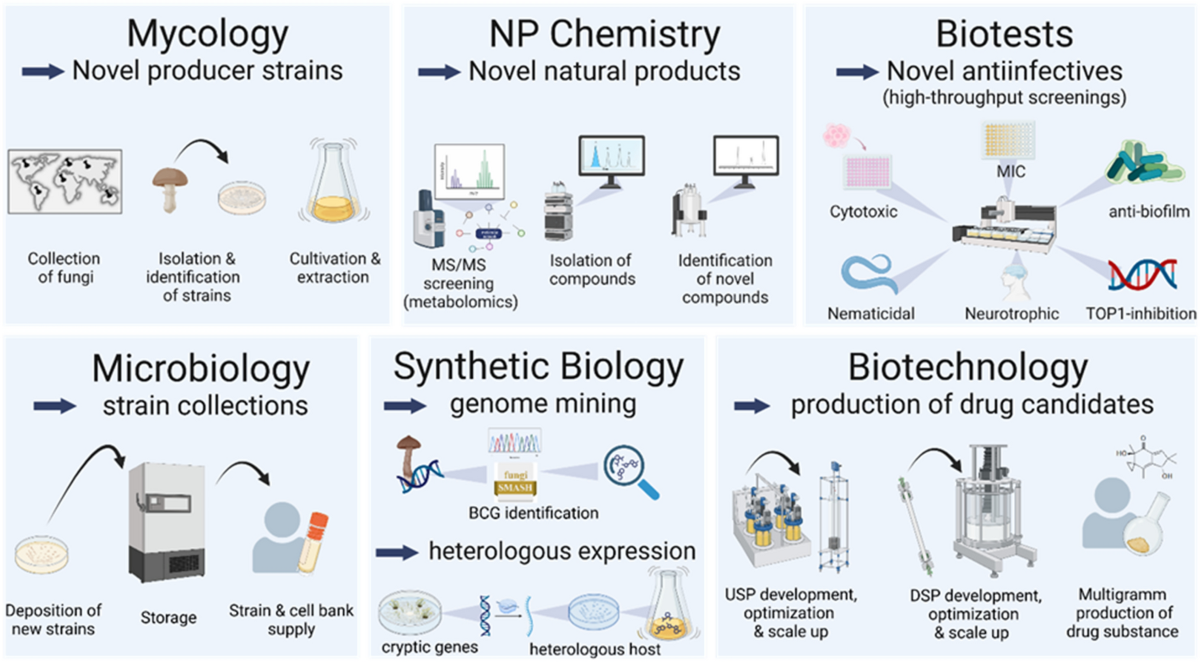
Source: Wikimedia Commons, CC BY 4.0
The award selected three leaders from 187 applicants across 59 countries, a striking indicator of just how quickly fungal biotechnology has expanded. The finalists—Michroma, Mycolever, and HIRO Technologies—represent not only technical innovation but also a reframing of how industries think about resources, waste, and long-term sustainability. Each company is attempting something ambitious: re-engineering food colorants, redefining personal care ingredients, and redesigning disposable hygiene products. Together, they signal a future in which fungi are not peripheral biological curiosities but active collaborators in reshaping global systems.
As a journalist following the intersection of biotechnology and environmental resilience, I see in these winners not just corporate success stories but a broader narrative. Fungi are no longer being treated as invisible background actors; they are emerging as solution-driven partners capable of addressing crises in food safety, waste accumulation, and supply-chain fragility. The award’s emphasis on “regenerative industrial design” underscores this shift: these are not technologies that merely cause less harm—they aim to repair, replace, and reimagine.
Below is a deeper look into each winning company and the systemic implications of their work.
Michroma: Redesigning Food from the Molecular Level
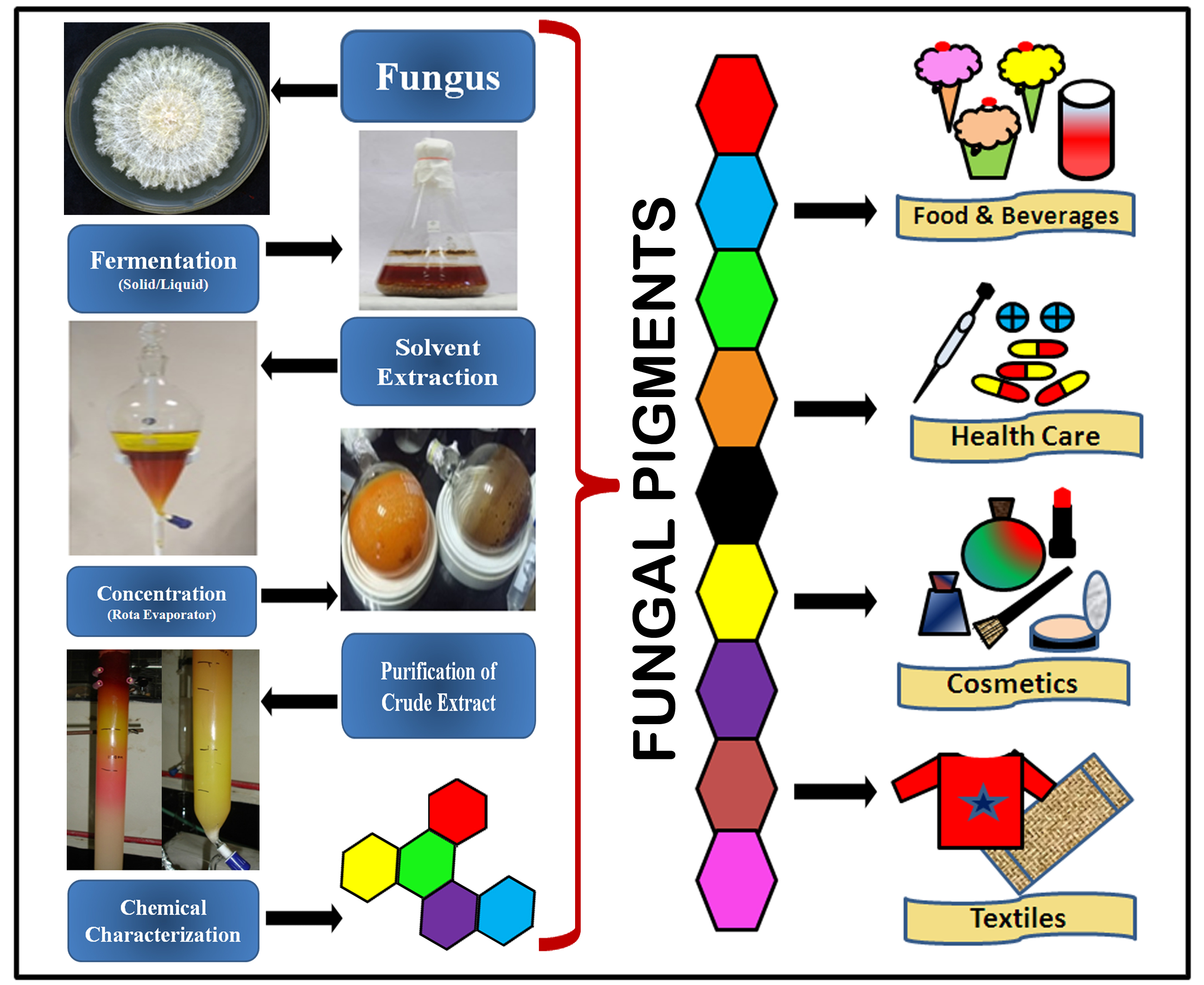
The top-honor recipient, Michroma, operates between Argentina and the United States, but its vision reaches across the global food system. At its core, the company seeks to replace synthetic dyes—long criticized for health uncertainties and environmental externalities—with fungi-derived natural pigments. These pigments are not harvested from mushrooms in the traditional sense but produced through microbial fermentation, using filamentous fungi as biological factories.
Source: Wikimedia Commons, CC BY-SA 4.0
What sets Michroma apart is the construction of what it calls a “mycofactory.” In concept, it resembles a brewery—except instead of producing beer, it cultivates fungi that generate color molecules such as anthraquinones and carotenoid-like compounds. The ambition is scale: industrial-level production of stable, safe, naturally derived colors that can compete with, or outperform, chemical dyes currently used in beverages, confectionery, dairy, and processed foods.
From a market standpoint, Michroma enters a space ripe for disruption. For decades, food companies have relied on petrochemical dyes due to their stability and low cost. Yet regulatory and consumer pressures are rising. Many countries continue to revise labeling laws. Parents increasingly avoid synthetic dyes in children’s snacks. Global brands face scrutiny as scientific studies explore links between artificial colorants and behavioral or allergic responses.
If Michroma can meet the technical requirements—consistency, heat stability, cost efficiency—its fungi-derived solutions could alter ingredients lists throughout the world. What is particularly noteworthy is that fungi can produce pigments with far lower land, water, and carbon footprints than conventional plant-based alternatives like beet or turmeric extracts. This efficiency stems from mycelial metabolism, which excels at turning low-value substrates into high-value compounds.
From an analytical standpoint, Michroma is the kind of company that emerges when biotechnology stops being confined to the laboratory and begins influencing everyday consumer goods. Its €250,000 award is not merely a financial boost; it is recognition that fungi may soon color the foods of millions—literally and figuratively.
Mycolever: Transforming Personal Care Through Fungal Chemistry
In second place, Mycolever of Germany directs its fungal innovation toward a different but equally pervasive industry: cosmetics and personal care. Here, fungi step into roles traditionally filled by petrochemicals, animal derivatives such as collagen, and resource-intensive plant-based materials like coconut oil or shea butter.
Mycolever’s bio-ingredients stem from the metabolic versatility of fungi. Through fermentation, certain fungi can produce polysaccharides, surfactants, texturizing agents, antioxidants, and aromatic compounds. These can substitute common cosmetic additives including emulsifiers, stabilizers, and moisturizers.
When examining Mycolever’s impact, the environmental value becomes apparent. The cosmetics sector has struggled with sustainability; many “natural” ingredients require extensive cultivation, water use, and transportation. Meanwhile, petrochemical ingredients raise concerns about long-term environmental persistence and microplastic contamination.
Fungal-derived alternatives present a compelling middle path:
- renewable feedstocks,
- lower carbon emissions,
- scalable fermentation,
- reduced agricultural dependency.
But what I find most telling is that Mycolever is being recognized not simply for being “sustainable,” but for improving product performance. This marks a shift in narrative. Sustainable solutions are no longer treated as compromises; they are becoming competitive, even superior, alternatives.
The broader implication is that fungi are no longer seen as sources of contamination in cosmetic production but as essential contributors to product innovation. Much like yeast revolutionized skincare peptides in past decades, fungi now stand at the threshold of shaping the next generation of cosmetic chemistry.
HIRO Technologies: Rethinking Waste Through Myco-Digestibility
Of all three winners, HIRO Technologies delivers the most provocative idea: the world’s first myco-digestible diapers. Diapers are a longstanding environmental problem, with billions disposed yearly and conventional plastics taking centuries to degrade. HIRO proposes a fungal-based digestive system that can break down diapers within 12 months—a dramatic contrast to their usual environmental persistence.
The key lies in fungal enzymes capable of decomposing cellulose, certain polymers, and organic waste. While the company does not release specific strain information, such fungi often originate from genera like Aspergillus, Trichoderma, or Pleurotus, all known for strong enzymatic profiles.
HIRO’s approach reframes the concept of waste. Instead of treating diapers as permanent landfill burdens, they become temporary, digestible materials that can be reintegrated into natural cycles.
As someone who has followed waste-management innovations for years, I see HIRO’s achievement as a rare intersection of practicality and ecological imagination. The challenge, however, will lie in deployment—ensuring that municipalities or industrial composting systems can handle large volumes safely, consistently, and without secondary contamination. But the vision is compelling: fungi as decomposers not only of forest debris, but of human-made disposables.
A Global Context: Why Fungal Innovation Matters Now
What binds these three winners is not only innovation but timing. The world is confronting supply-chain disruptions, climate-driven agricultural instability, petrochemical dependence, and escalating waste challenges. Fungi offer one of the least explored yet most promising biological toolkits for addressing these systemic pressures.
Several attributes make fungi uniquely suited for regenerative industrial futures:
- Extraordinary metabolic diversity
Fungi synthesize pigments, enzymes, lipids, organic acids, antibiotics, and aromatic compounds. This metabolic flexibility underpins nearly all fungal biotechnology. - Rapid, scalable growth
Compared with plants and animals, fungi grow fast and require far fewer resources, making them ideal for replacing environmentally costly production systems. - Natural decomposition abilities
Fungi evolved as Earth’s original recyclers. Their enzymatic machinery allows them to break down organic matter—including materials humans struggle to manage. - Compatibility with circular economy models
Fungal systems can convert waste into valuable ingredients, closing industrial loops. - Small ecological footprint
Mycelial fermentation uses little land, limited water, and can operate on agricultural by-products.
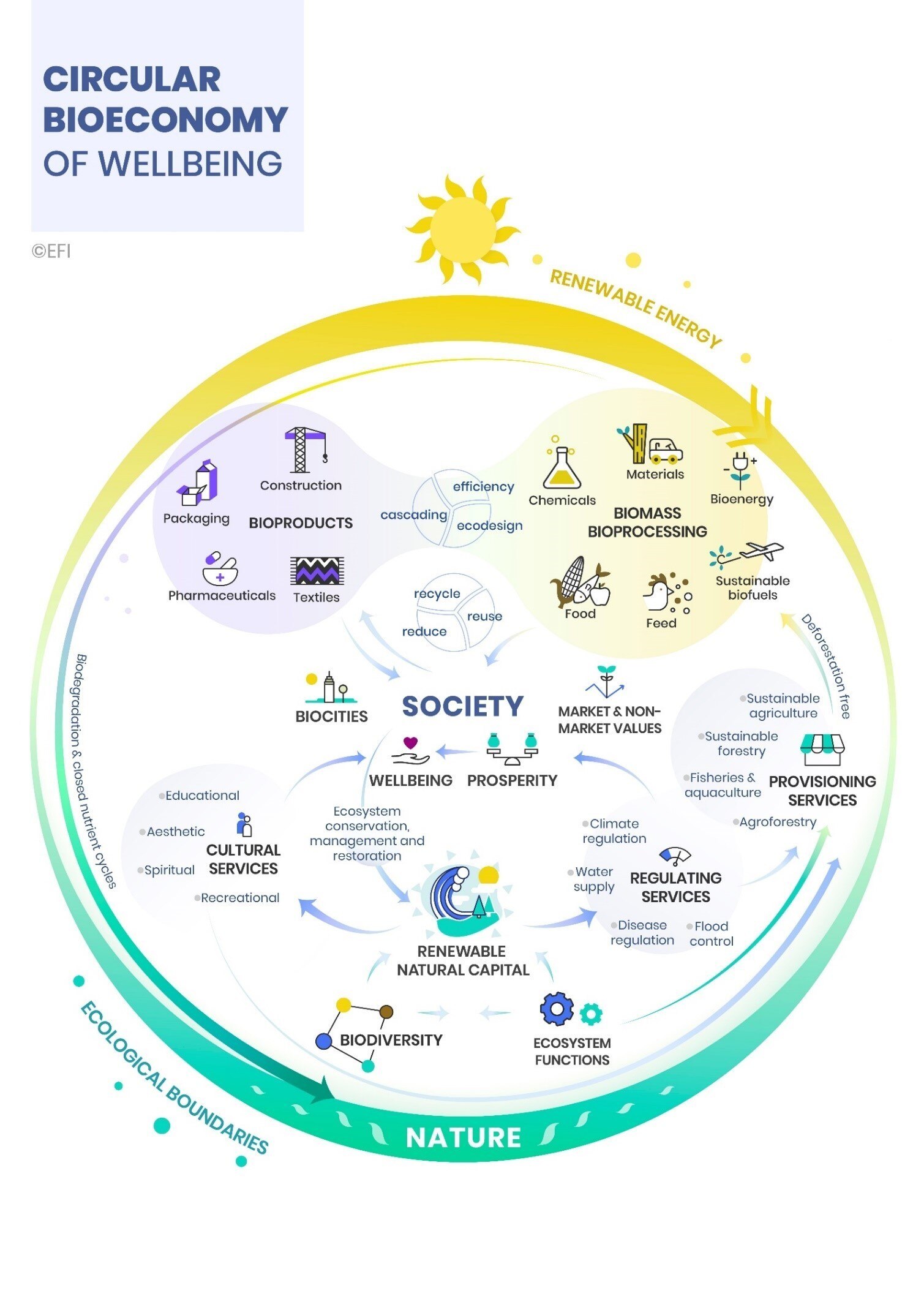
The award’s founder, Susanne Gløersen, articulated this shift succinctly, noting that fungi may power a “new industrial revolution designed by nature itself.” This perspective captures an emerging reality: while we have long relied on mechanical and chemical engineering, the coming decades may depend increasingly on biological engineering guided by ecological logic.
The Human Dimension: Reframing Our Relationship with the Fungal Kingdom
Beyond the technologies themselves, the 2025 award reveals a deeper cultural movement. For centuries, fungi have been marginalized in human imagination—either feared as pathogens or ignored as background organisms. Only in the last decade have scientists, designers, and companies begun to regard fungi as partners instead of problems.
In reporting on fungal topics, I have noticed that many breakthroughs arise once industries stop asking,
“What can we extract?”
and instead ask,
“What can we co-create with fungi?”
This shift is subtle but profound. Fungi are no longer cast as biological tools; they are being treated as collaborators, with their own evolutionary intelligence. The innovations recognized by the award embody that shift—each company listens to what fungi already excel at and builds technologies around their strengths.
Michroma leverages pigment synthesis.
Mycolever uses metabolite production.
HIRO relies on decomposition pathways.
For me, this alignment between biological capability and industrial need is where the real future lies.
Critical Considerations: What Must Still Be Proven
While the award highlights remarkable progress, success on a global scale requires addressing several unresolved questions:
- Regulatory approval
Food, cosmetics, and waste-processing technologies must meet strict standards across multiple jurisdictions. Fungi-derived ingredients require robust safety documentation. - Cost competitiveness
Sustainability alone rarely drives adoption. Fungal products must match or outperform legacy ingredients economically. - Supply-chain integration
Industrial customers will need reliable sourcing, standardized quality, and long-term stability before transitioning from petrochemical ingredients. - Public perception
Consumers may hesitate when hearing terms like “fungi-derived dye” or “myco-digested diaper.” Clear communication is essential. - Environmental validation
Biodegradable products must prove real-world performance across climates, waste infrastructures, and microbial ecosystems.
These challenges do not diminish the value of the award winners; instead, they highlight where fungal innovation must mature to reshape industries at scale.
An Objective Perspective: Why This Award Matters Globally
From an analytical standpoint, the Future Is Fungi Award serves three major global purposes:
- It accelerates investment into fungal biotechnology.
Such fields often struggle to secure funding because they sit between agriculture, pharmaceuticals, and materials science. Recognition helps de-risk investment. - It encourages cross-industry collaboration.
Fungal solutions rarely stay confined to one sector; dye chemistry influences fashion, waste decomposition influences municipal planning, and cosmetic ingredients spill into biomedical research. - It reshapes societal attitudes toward fungi.
In a world facing ecological limits, organisms once considered marginal are becoming central to solving modern problems.
In my reporting across sustainability sectors, I rarely see a biological kingdom with such untapped potential—and such rapid acceleration.
References
Future Is Fungi Award (official site)
European Commission – Circular Economy Resources
According to vegconomist
Key Takeaways
- The ‘Future Fungi Award’ (established in 2025) signals growing institutional recognition of fungal biology as a transformative field spanning medicine, agriculture, ecology, and materials science.
- Fungi are increasingly positioned at the centre of global sustainability challenges: decomposing waste, building with mycelium, feeding populations with fungal protein, treating disease with novel antifungals, and restoring degraded ecosystems.
- The award’s establishment reflects the broader ‘fungal moment’ in science communication and public interest catalysed by documentaries, popular books (Merlin Sheldrake’s ‘Entangled Life’), and social media.
- Fungal research remains chronically underfunded relative to its economic and ecological significance: mycology receives approximately 1% of the research funding allocated to bacterial biology despite comparable scientific importance.
- International Year of Fungi and global mycological society initiatives are amplifying calls for greater inclusion of fungal biodiversity in conservation policy, education, and research funding allocation.
Frequently Asked Questions
Why is there a ‘fungal moment’ in scientific and public interest right now?
Multiple converging factors have created unprecedented public interest in fungi since approximately 2019. The Netflix documentary ‘Fantastic Fungi’ (2019) introduced mycelium networks and psilocybin research to mass audiences. Merlin Sheldrake’s ‘Entangled Life’ (2020) became an international bestseller by narrating the ecological and philosophical significance of fungi accessibly. Michael Pollan’s ‘How to Change Your Mind’ (2018) focused popular attention on psilocybin. Simultaneously, mushroom cultivation as a hobby expanded enormously during COVID-19 lockdowns; mycelium packaging and meat alternatives began appearing in mainstream retail; and COVID-associated aspergillosis raised awareness of fungal disease. These threads combined to create a cultural moment where fungi became genuinely newsworthy.
Why is mycology research underfunded relative to its importance?
Mycology’s funding gap relative to bacteriology and virology reflects historical patterns in biomedical research priority-setting. Most research funding flows toward fields with established disease association (bacteria and viruses cause well-recognised infections with large patient populations) and industrial application (pharmaceutical and agricultural products). Fungi occupy a more complex ecological niche—simultaneously decomposers, pathogens, mutualists, and food sources—that doesn’t fit neatly into disease-focused funding frameworks. Additionally, mycological taxonomy is complex and specialist-intensive, making it less accessible to generalist researchers who drive volume in funding-attracting field. The Global Action Fund for Fungal Infections (GAFFI) and Fungal Research Trust actively advocate for increased funding allocation.
What specific innovations are driving excitement in applied mycology?
Several application domains are generating particular excitement: psilocybin research for treatment-resistant depression (multiple Phase 2 and 3 trials showing remarkable efficacy); mycoprotein expansion (Quorn and novel fermentation-derived proteins competing with meat); mycelium materials (construction, packaging, and textiles from fungal composites); antifungal drug development (novel drug classes like ibrexafungerp and olorofim addressing drug-resistant species); mycoremediation (fungi cleaning contaminated soil and water); and soil microbiome management for sustainable agriculture (mycorrhizal inoculants and fungal-supportive farming practices). Each of these domains represents billions of dollars of potential market opportunity and significant societal benefit.
How is the International Year of Fungi contributing to the field?
International Years designated by scientific societies and intergovernmental organisations (such as the FAO’s International Year of Plant Health 2020) are advocacy tools that coordinate global attention, media coverage, policy dialogue, and funding applications around specific topics. The Society for Ecological Restoration, the British Mycological Society, and equivalent national societies have used international fungal awareness years to: engage policymakers on including fungi in biodiversity conservation frameworks (currently most national biodiversity strategies focus on plants, animals, and microbes without explicitly mentioning fungi); advocate for fungi in school curricula; organise citizen science biodiversity surveys; and create media opportunities that elevate the public profile of mycological science.
What would it take to mainstream fungi in conservation policy?
Mainstreaming fungi in conservation requires addressing several gaps. Taxonomic knowledge: an estimated 90–95% of fungal species remain undescribed, making it impossible to create Red Lists or conservation strategies for species we haven’t identified. Monitoring methods: while plant and animal biodiversity can be assessed by trained volunteers, fungal biodiversity assessment requires DNA metabarcoding with specialist laboratory support, limiting citizen science uptake. Legal frameworks: most national and international biodiversity legislation (EU Habitats Directive, CITES, US Endangered Species Act) was written with plants and animals in mind; fungi exist in a legal grey area in most jurisdictions. And cultural recognition: the concept of ‘charismatic megafauna’ driving conservation funding has no equivalent in mycology—the ‘charismatic mushroom’ remains a niche concept.