
When people imagine “sustainable technology,” they tend to picture solar panels, electric cars, carbon-capturing machines, or futuristic recycling systems. But the truth is far less mechanical and far more alive. Much of the work needed to keep Earth healthy isn’t done by giant devices—it’s done by tiny organisms, buried in soil, hidden from sight, working quietly around the clock.
Trichoderma, a humble soil fungus, is one of them.
It doesn’t appear on the cover of sustainability reports, it doesn’t speak at global climate conferences, and it doesn’t claim credit for anything. But day after day, it performs tasks that humans spend billions trying to imitate: breaking down waste, restoring life to damaged soil, purifying polluted environments, and even creating clean energy.
Today, we step beyond farms and factories to focus on something bigger—the planet itself. Because sustainability was never meant to be invented by humans. Nature mastered it first. And fungi like Trichoderma are living proof.
1. When the Earth needs new solutions, a fungus quietly steps forward
Climate change, pollution, resource exhaustion—these problems pile up faster every year. Humanity turns to engineering and chemistry looking for cleaner solutions, yet many of them still rely on heavy energy use or synthetic compounds.
Nature, meanwhile, has always had a different answer.
Fungi like Trichoderma evolved specifically to break down, recycle, and rebuild.
In forests, they reclaim fallen trees. In soil, they maintain nutrient flow. In plant roots, they defend and support life. But when scientists began dissecting their enzyme systems, they realized something remarkable:
These organisms operate like biological versions of sustainable technology— but far more efficient, far more elegant, and far more compatible with the planet.
Trichoderma does not need high heat, high pressure, or toxic reagents.
It simply needs organic matter, a bit of moisture, and time.
And with that, it performs miracles.
2. Turning agricultural waste into clean energy
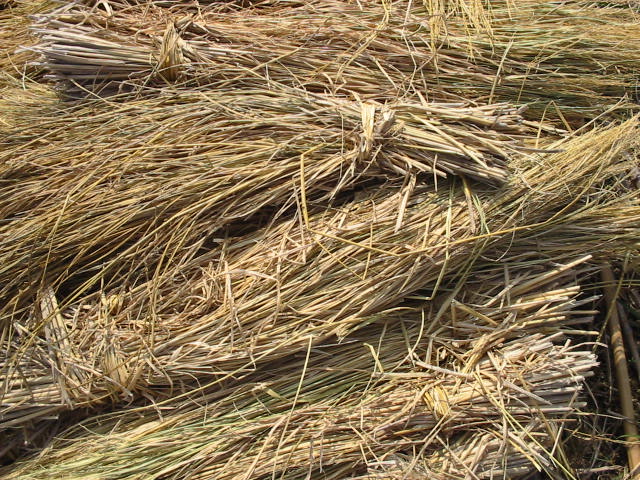
Every harvest season, mountains of crop residues—rice straw, corn stover, sugarcane bagasse—pile up on farmlands around the world. They are usually burned, dumped, or left to rot. The result is pollution, waste, and greenhouse gas emissions.
But to Trichoderma reesei, these “wastes” are pure gold.
Its powerful cellulase enzymes specialize in breaking down lignocellulose—tough plant fibers that humans struggle to process. As Trichoderma digests crop residues, it unlocks simple sugars. These sugars can then be fermented into bioethanol, biogas, or other forms of renewable energy.
This isn’t a futuristic premise.
It’s one of the most intensely researched sustainable technologies worldwide, with pilot plants already operating in several countries.
What makes this process revolutionary is its simplicity:
- Waste becomes energy.
- Energy production becomes local, renewable, and low-emission.
- Fields no longer have to burn what they grow.
If tomorrow’s fuel comes from farm leftovers instead of oil wells, Trichoderma will be one of the organisms that made it possible.
3. Biorefinery: upgrading waste into high-value materials

For most industries, waste has only two fates: disposal or treatment.
But fungi think differently. To Trichoderma, waste is raw material waiting to be transformed.
Its enzymes dismantle plant biomass into valuable building blocks—glucose, xylose, oligosaccharides, organic acids. In the world of green chemistry, these are known as platform molecules. And from these molecules, an entire sustainable materials ecosystem can be built:
- biodegradable bioplastics
- bio-based solvents
- renewable chemical precursors
- green manufacturing intermediates
What Trichoderma offers isn’t mere decomposition—it offers upcycling.
It turns what we throw away into something more valuable than before.
This is the heart of the modern biorefinery concept—powered not by heat or pressure, but by enzymes and microbes.
Fungi aren’t just part of the circular economy.
They are its engineers.
4. Cleaning pollution with biology, not harsher chemistry

When industries treat pollutants, they often rely on more chemicals to destroy existing ones—an approach that can create new environmental burdens.
Trichoderma harzianum follows a different philosophy: use life to undo the damage caused by life.
Research has shown that T. harzianum can break down synthetic dyes in wastewater using laccase enzymes.
Beyond dye degradation, fungi in this genus also serve as decomposers with important bioremediation roles, breaking down complex organic molecules and contributing to a cleaner ecosystem.
Instead of transferring contaminants from one form to another, Trichoderma helps erase them—using low-energy, natural methods fully compatible with ecosystems.
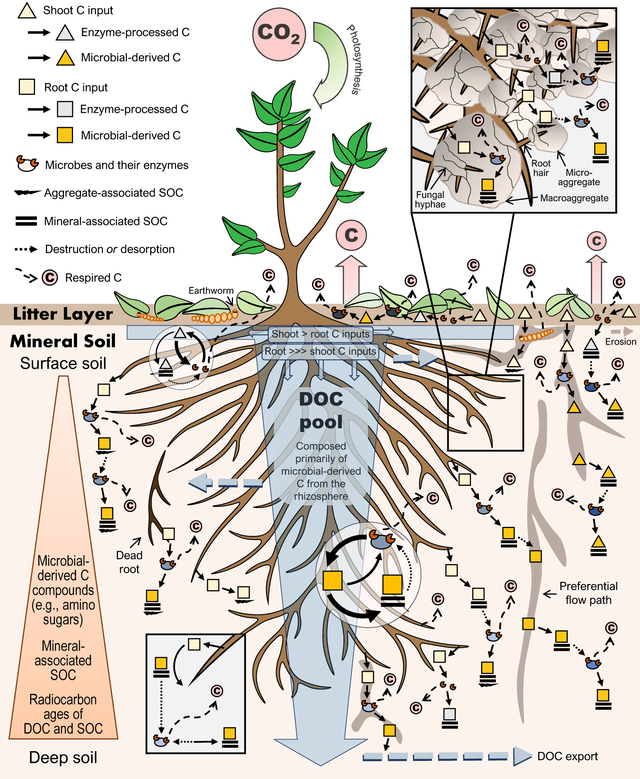
5. Soil restoration: sustainability begins underground
If we want a sustainable future, we must start with the soil beneath our feet.
Decades of chemical fertilizer use, over-tillage, and pollution have left many soils compacted, depleted, and microbiologically barren.
The study shows that Trichoderma can:
- rebuild soil structure
- enhance microbial diversity
- support root health
- increase soil carbon retention
- restore degraded land
When Trichoderma colonizes root zones, it doesn’t just support the plant.
It supports the entire ecosystem around it.
Healthy soil → healthier plants → stronger food systems → a more resilient planet.
Sustainability begins underground—and fungi are leading the way.
6. Conclusion: The power of fungi has been ignored for too long, but they may hold the key to our future
Trichoderma is not new technology.
It is ancient technology—perfected by nature, overlooked by people.
It can turn waste into energy, pollution into harmless molecules, and damaged land into fertile soil. It can help industries transition away from chemicals and toward biological processes. And it can teach us that the planet does not need harsher tools—it needs smarter ones.
Sustainability isn’t about inventing everything from scratch.
It’s about learning from the organisms that have been healing Earth for millions of years.
If we give fungi the attention and respect they deserve,
we won’t just reduce harm—we’ll restore balance.
The story of Trichoderma is not an ending.
It is the beginning of a partnership between humans, microbes, and the planet—
a partnership capable of rebuilding the world we hope to leave behind.
References
Academic
- Druzhinina, I. S., et al. (2011). Trichoderma: The genomics of opportunistic success. Nature Reviews Microbiology. DOI: 10.1038/nrmicro2637
- Bischof, R. H., et al. (2016). Cellulases and beyond: the first 70 years of Trichoderma reesei research.Biotechnology for Biofuels. DOI: 10.1186/s13068-016-0545-7
- Elad, Y., et al. (2019). Biocontrol by Trichoderma harzianum: mechanisms and applications. Plant Pathology. DOI: 10.1111/ppa.13080
Official / Institutional
- FAO — Soil biodiversity initiative
- UNEP — Circular economy & biorefinery frameworks
- US DOE — Bioenergy Technologies Office
Key Takeaways
- But the truth is far less mechanical and far more alive.
- Climate change, pollution, resource exhaustion—these problems pile up faster every year.
- But when scientists began dissecting their enzyme systems, they realized something remarkable:
- Every harvest season, mountains of crop residues—rice straw, corn stover, sugarcane bagasse—pile up on farmlands around the world.
- Its powerful cellulase enzymes specialize in breaking down lignocellulose—tough plant fibers that humans struggle to process.
Frequently Asked Questions
What should you know about 1. When the Earth needs new solutions, a fungus quietly steps forward?
Climate change, pollution, resource exhaustion—these problems pile up faster every year. Humanity turns to engineering and chemistry looking for cleaner solutions, yet many of them still rely on heavy energy use or synthetic compounds.
What should you know about 2. Turning agricultural waste into clean energy?
Every harvest season, mountains of crop residues—rice straw, corn stover, sugarcane bagasse—pile up on farmlands around the world. They are usually burned, dumped, or left to rot. The result is pollution, waste, and greenhouse gas emissions.
What should you know about 3. Biorefinery: upgrading waste into high-value materials?
For most industries, waste has only two fates: disposal or treatment.But fungi think differently. To Trichoderma, waste is raw material waiting to be transformed.
What should you know about 4. Cleaning pollution with biology, not harsher chemistry?
When industries treat pollutants, they often rely on more chemicals to destroy existing ones—an approach that can create new environmental burdens.
What should you know about 5. Soil restoration: sustainability begins underground?
If we want a sustainable future, we must start with the soil beneath our feet.