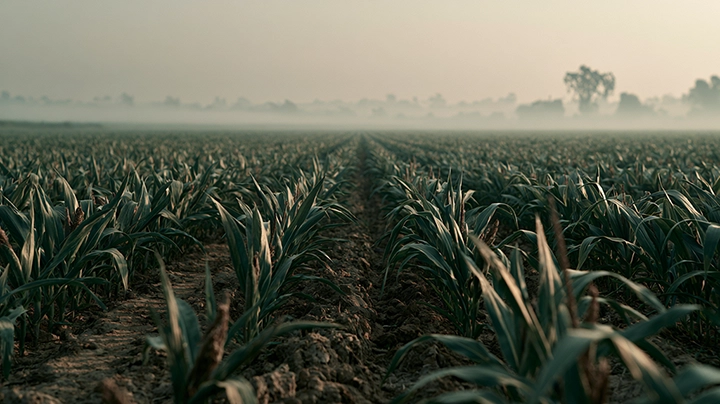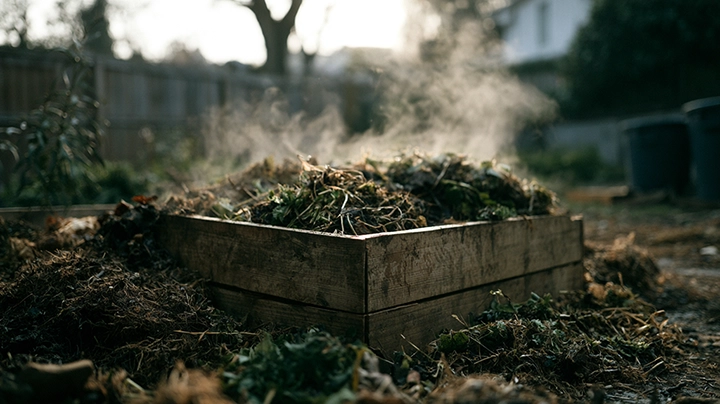

The Delicious Paradox Shaping Our Food Future
In food science, few organisms carry as much contradiction as filamentous fungi. They’re responsible for some of the most memorable flavors and textures we enjoy, yet they’re also behind some of the most frustrating and costly forms of spoilage. They sit at the center of a delicate balance — capable of making food extraordinary, and just as capable of ruining it.
A recent review by Souza et al. (2025) brings that balance into focus. If we’re going to rely on fungi to build a more sustainable food future, the paper argues, then we have to understand both sides of their nature with the same attention.
And as someone who has learned the hard way that what helps you can also hurt you, I find that argument hard to ignore.

The Fungi That Feed Us: Essential Partners in Modern Food Production
Filamentous fungi have shaped the food industry for decades, adding flavor, structure, and complexity in ways most people never think about.
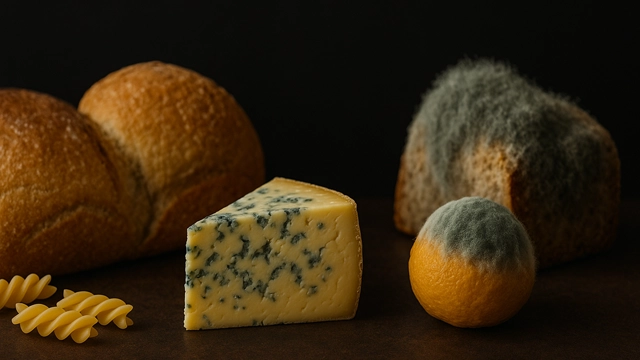
Species like Aspergillus niger, Penicillium, and Rhizopus contribute to everyday ingredients — citric acid, fermented foods, aged cheeses, and even the soft textures of baked goods.
Beyond taste, they quietly support entire production systems.
Controlled fermentations create biopolymers used in packaging and texture modification.
Several strains are grown specifically for high-protein biomass, offering a way to meet global nutrition demands with a smaller environmental footprint.
In research labs, scientists continue to uncover fungal species with new biochemical abilities. There’s excitement in that discovery — a sense that we’re just beginning to understand what fungi can do.
But the traits that make fungi powerful allies also make them difficult to control. The line between innovation and complication is thinner than we like to admit.

The Fungi That Fail Us: Spoilage, Contamination, and Silent Toxins
Even in modern, tightly managed food systems, filamentous fungi can appear unexpectedly. Their spores float, settle, and grow with little encouragement. All it takes is a pocket of humidity or a surface that wasn’t cleaned as thoroughly as someone hoped.
Once they begin to grow, the consequences can unfold quickly: discoloration, weakened textures, unpleasant odors, nutritional losses.
And then there are the mycotoxins —
aflatoxins,
ochratoxins,
zearalenone —
chemical compounds so potent that even small amounts can affect human and animal health.
Heat doesn’t reliably destroy them.
Processing doesn’t guarantee safety.
They can hide in what looks perfectly fine.
Souza et al. point out that we still don’t fully understand the triggers behind toxin production. Environmental changes, genetic cues, stress conditions — any combination can shift a fungus from harmless to harmful.

Balancing Opportunity and Risk: The Path Forward for a Fungal Food Economy
The review argues for a thoughtful approach to fungal innovation.
If we’re going to depend on fungi more — and all signs point to that future — we need systems that recognize both their potential and their unpredictability.
- Strain screening must consider spoilage traits and toxin risks.
- Molecular tracking tools can identify biosynthesis gene activation before toxins appear.
- Food systems need better monitoring from storage to final packaging.
- Packaging technologies must control humidity and oxygen more effectively.
Progress isn’t just about what we gain — it’s about what we protect.
Innovation is exciting, but food safety is personal.
The Expanding Fungal Frontier
Fungi can produce natural pigments, enzymes, organic acids, and nutrient-rich biomass. Their efficiency and sustainability make them increasingly attractive to food companies and biomanufacturers.
But contamination and toxin issues remain equally real.
For every breakthrough, there is a reminder that fungi operate on their own logic — elegant, powerful, but not always predictable.
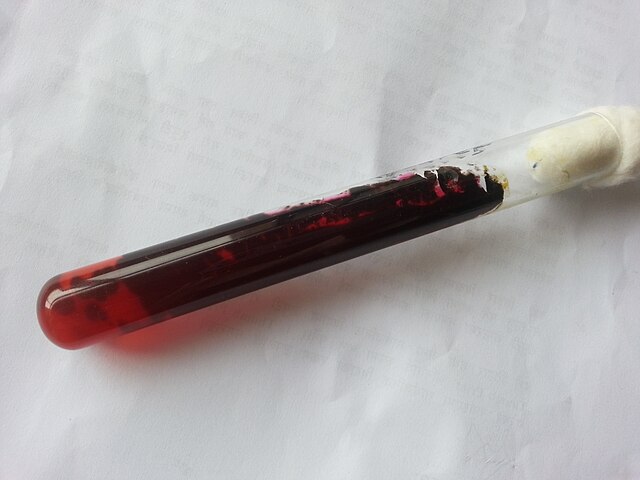
Filamentous fungi: promise and pressure
Filamentous fungi bring promise and pressure into the food chain in equal measure. They can create entirely new categories of sustainable foods and improve the resilience of production systems.
But they can also undermine safety and introduce risks that persist long after they appear.
The takeaway is straightforward:
If we choose to cultivate fungi as major partners in our food future, we must also commit to understanding their behavior with depth and humility.
The more we rely on fungi, the more responsibility we have to guide them carefully.
References
Academic
- Souza, R. et al. (2025). “Filamentous fungi in the food chain: innovation, spoilage, and safety.” Food Microbiology Review. DOI: 10.1016/j.fmre.2025.00123
- Shepherd, L.V. et al. (2018). “Mycotoxins in food systems.” Annual Review of Food Science and Technology. DOI: 10.1146/annurev-food-030117-012447
- Samson, R.A. et al. (2019). “Beneficial and detrimental filamentous fungi in foods.” Mycopathologia. DOI: 10.1007/s11046-019-00341-8
Official Sources
- FAO — Mycotoxin control guidelines
- WHO — Mycotoxin food safety factsheet
- FDA — Aflatoxin regulatory limits
Key Takeaways
- In food science, few organisms carry as much contradiction as filamentous fungi.
- They sit at the center of a delicate balance — capable of making food extraordinary, and just as capable of ruining it.
- Filamentous fungi have shaped the food industry for decades, adding flavor, structure, and complexity in ways most people never think about.
- There’s excitement in that discovery — a sense that we’re just beginning to understand what fungi can do.
- Even in modern, tightly managed food systems, filamentous fungi can appear unexpectedly.
Frequently Asked Questions
What should you know about the Delicious Paradox Shaping Our Food Future?
In food science, few organisms carry as much contradiction as filamentous fungi. They’re responsible for some of the most memorable flavors and textures we enjoy, yet they’re also behind some of the most frustrating and costly forms of spoilage. They sit at the center of a delicate balance — ca
What are the key findings about The Fungal Fork in?
In food science, few organisms carry as much contradiction as filamentous fungi. They’re responsible for some of the most memorable flavors and textures we enjoy, yet they’re also behind some of the most frustrating and costly forms of spoilage. They sit at the center of a delicate balance — ca
How does The Fungal Fork in affect public health or safety?
A recent review by Souza et al. (2025) brings that balance into focus. If we’re going to rely on fungi to build a more sustainable food future, the paper argues, then we have to understand both sides of their nature with the same attention.
What do researchers and experts say about The Fungal Fork in?
And as someone who has learned the hard way that what helps you can also hurt you, I find that argument hard to ignore.
What are the main risks associated with The Fungal Fork in?
Filamentous fungi have shaped the food industry for decades, adding flavor, structure, and complexity in ways most people never think about.