
Mold Isn’t Just Growing—It’s Evolving. And We’re Letting It.
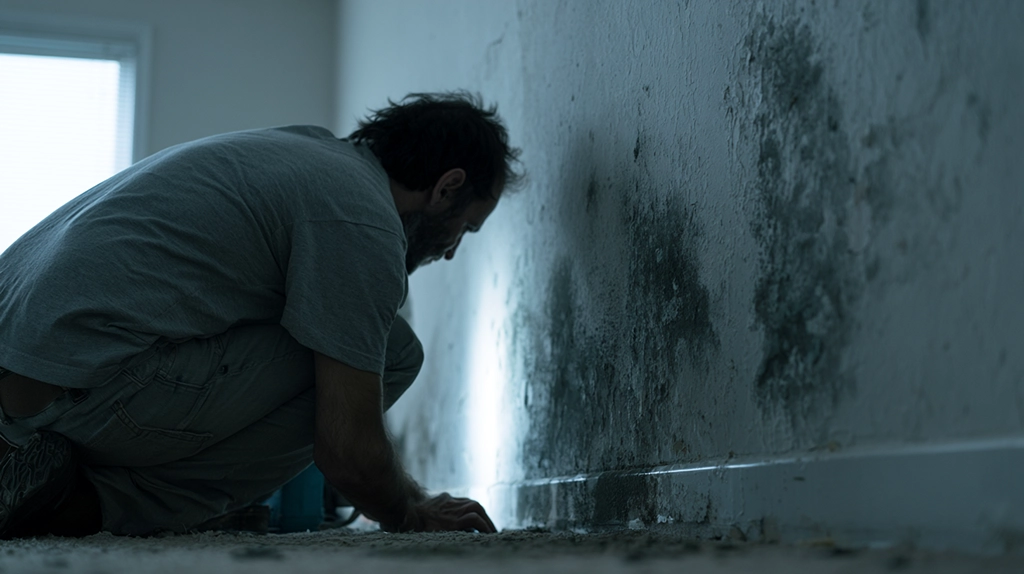
Floods come and go, but mold? It stays. It spreads. It mutates. And every time it returns, it comes back stronger—turning once-safe homes into breeding grounds for more resilient, more dangerous fungi.
The worst part? We’re making it easier.
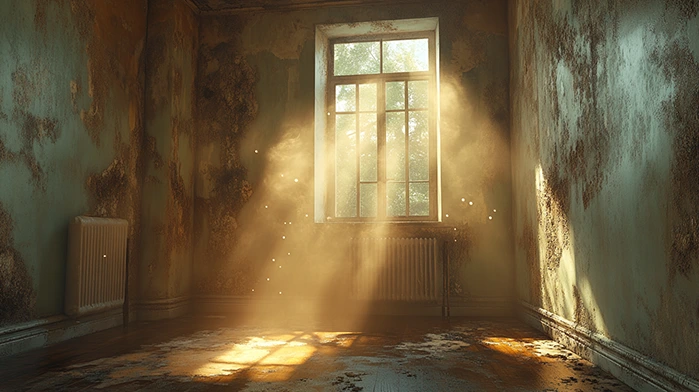
Modern homes, with their sealed walls, poor ventilation, and energy-efficient designs, have become perfect fungal incubators. Every humid summer, every storm, every tiny leak creates the conditions mold needs to adapt and survive. We are no longer just dealing with mold—we are helping it evolve.

Source: Wikimedia Commons, CC BY-SA 3.0
Our Homes Were Supposed to Protect Us—Instead, They’re Trapping a Toxic Enemy Inside
We were told that modern homes were better—tightly sealed, energy-efficient, built to last. But what no one told us? These same features are turning our houses into mold factories.
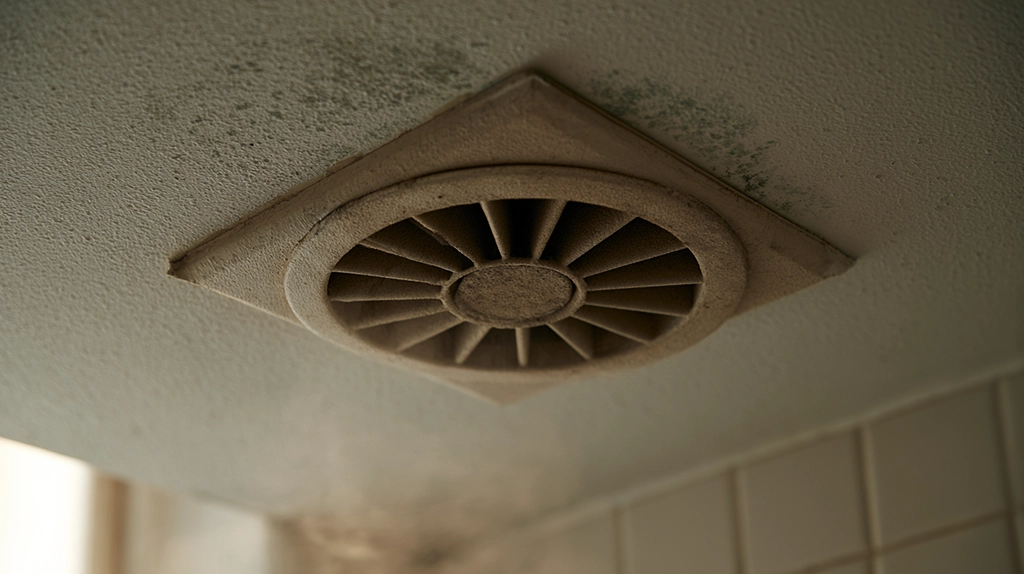
Instead of keeping dangers out, we’ve locked humidity in. Sealed windows and doors trap moisture, creating perfect conditions for fungi to grow. Poor ventilation allows mold spores to settle, multiply, and spread unnoticed. Even a tiny leak—a bit of condensation, a damp corner—can become a long-term fungal infestation.
By the time we smell that musty warning, it’s already too late. The invasion has begun.

Source: Wikimedia Commons, CC BY-SA 3.0
The Three Waves of Invasion: How Mold Takes Over Your Home
Mold doesn’t just arrive—it attacks. It moves in stages, creeping deeper, becoming stronger, and fighting back harder every time.
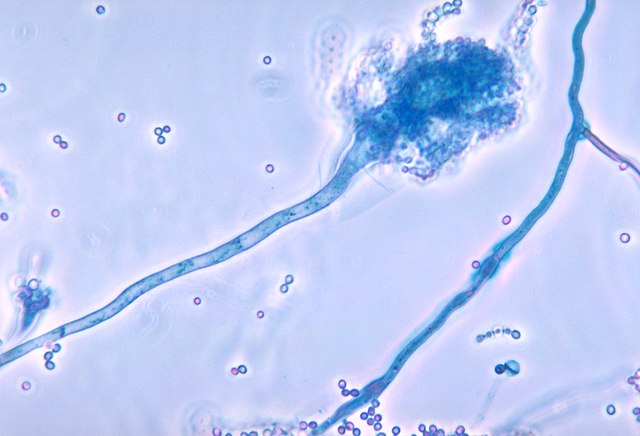
- First, come the fast movers. Aspergillus, Penicillium, and Cladosporium spread within days, riding on dust, clothing, and air vents. What looks like a harmless patch today can become a full-scale infestation tomorrow.
- Then come the deep settlers. Fusarium, Stachybotrys (“Black Mold”)—these molds don’t just grow on surfaces, they bury themselves inside your walls, your insulation, your carpets. They release toxic spores that don’t just make a home unlivable—they make people sick.
- And then, the Super Fungi arrive. Chaetomium, Trichoderma, Alternaria—the toughest of them all. These strains resist drying, survive cleaning, and mutate to withstand treatments. Each flood, each storm, each humid summer makes them harder to stop.
Every time mold returns, it’s not just surviving—it’s adapting.
Source: Wikimedia Commons, CC BY-SA 3.0
This Isn’t Just a Household Problem—It’s a Public Health Crisis
We like to think of mold as a home repair issue. But it’s not. It’s an invisible, growing health disaster. This isn’t just about bad smells and ugly stains. It’s about what’s happening inside our bodies.
Mold exposure doesn’t just irritate—it damages.
- It triggers chronic respiratory issues, worsening asthma and lung infections.
- It causes fatigue, headaches, and suppresses immune function.
- It releases toxins linked to neurological problems—memory loss, brain fog, cognitive decline.
And most terrifying of all? Most people don’t even realize their home is making them sick—until it’s too late.
We are watching a new age of fungal evolution unfold in real-time. And yet, no one is talking about it. No one is acting fast enough to stop it.

Source: Wikimedia Commons, CC BY-SA 3.0
Here’s Why This Matters—And Why We Need to Act Now
We can’t stop floods, and we can’t stop humidity. But we can stop mold from turning our homes into places of sickness and decay. We don’t have to accept this—we can fight back, but we have to act now.
Our homes are meant to protect us, not trap an invisible threat inside. We can make them safer. We can take back control.
- Let the air flow. A house that breathes is a house that stays dry. Mold thrives in stillness—so we have to move faster than it does.
- Water doesn’t wait, and neither does mold. In just one day, a simple leak can turn into a toxic infestation.
- That musty smell? It’s not just an inconvenience—it’s a warning sign. It means mold has already found a way in. The sooner we listen, the sooner we can stop it.
If we have to rebuild, we need to do it right. We’ve learned too much to keep making the same mistakes.
Why are we rebuilding homes with the same materials that trapped mold in the first place? If we don’t change how we build, we’re inviting the same nightmare to return.
Mold-resistant drywall, flooring, insulation—these aren’t luxuries. They’re the difference between a home that shelters us and a home that poisons us.
We know how to stop this. We have the tools, the materials, the knowledge. So why aren’t we using them?

Source: Wikimedia Commons, CC BY-SA 3.0
Final Thought: How Many More Homes Have to Rot Before We Change?
This isn’t just about houses—it’s about the people inside them. Our families. Our children. Our aging parents.
No one should have to wake up coughing, feeling exhausted, wondering why their home—their safe space—is making them sick. No one should have to watch their loved ones struggle, not knowing that the air they breathe is quietly harming them.
We put our trust in these homes. We build our lives inside them. And yet, they are failing us.
We deserve better. We deserve homes that protect, not poison. And we shouldn’t have to fight for something that should be a basic right.
The time for excuses is over. The time for real solutions is now.

Source: Wikimedia Commons, CC BY-SA 4.0
References
- Mold – Wikipedia
- Flood – Wikipedia
- EPA – Ventilation & Indoor Air Quality
- CDC – Mold FAQs
- WHO – Environmental Health
- NCBI – Neurological Impact of Mold Exposure
- Wikimedia Commons images:
- Moldy ceiling (CC BY-SA 3.0)
- Condensation window (CC BY-SA 3.0)
- Aspergillus fungus (CC BY-SA 3.0)
- Asthma inhaler (CC BY-SA 3.0)
- Drywall installation (CC BY-SA 3.0)
- Flood-damaged home (CC BY-SA 4.0)
Key Takeaways
- And every time it returns, it comes back stronger—turning once-safe homes into breeding grounds for more resilient, more dangerous fungi.
- Every humid summer, every storm, every tiny leak creates the conditions mold needs to adapt and survive.
- We were told that modern homes were better—tightly sealed, energy-efficient, built to last.
- Sealed windows and doors trap moisture, creating perfect conditions for fungi to grow.
- Even a tiny leak—a bit of condensation, a damp corner—can become a long-term fungal infestation.
Frequently Asked Questions
What should you know about please login to bookmark?
Please login Mold Isn’t Just Growing—It’s Evolving. And We’re Letting It. Floods come and go, but mold? It stays. It spreads. It mutates. And every time it returns, it comes back stronger—turning once-safe homes into breeding grounds for more resilient, more dangerous fungi.
What should you know about mold Isn’t Just Growing—It’s Evolving. And We’re Letting It.?
Floods come and go, but mold? It stays. It spreads. It mutates. And every time it returns, it comes back stronger—turning once-safe homes into breeding grounds for more resilient, more dangerous fungi.
What should you know about our Homes Were Supposed to Protect Us—Instead, They’re Trapping a Toxic Enemy Inside?
We were told that modern homes were better—tightly sealed, energy-efficient, built to last. But what no one told us? These same features are turning our houses into mold factories.
What should you know about the Three Waves of Invasion: How Mold Takes Over Your Home?
Mold doesn’t just arrive—it attacks. It moves in stages, creeping deeper, becoming stronger, and fighting back harder every time.
What should you know about this Isn’t Just a Household Problem—It’s a Public Health Crisis?
We like to think of mold as a home repair issue. But it’s not. It’s an invisible, growing health disaster. This isn’t just about bad smells and ugly stains. It’s about what’s happening inside our bodies.