
When a common environmental mold becomes a serious medical danger
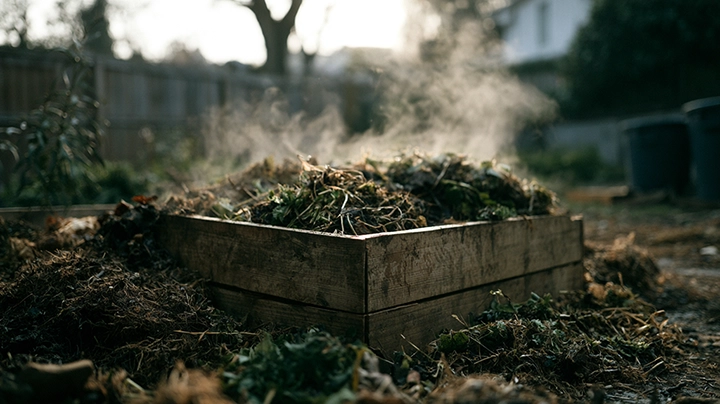
For most people, breathing in fungal spores is an unavoidable part of daily life. Invisible particles drift constantly through the air, originating from soil, plants, dust, compost piles, and decaying organic matter. Among the most common of these airborne organisms is Aspergillus, a genus of molds so widespread that humans inhale its spores every day without noticing.
Under normal circumstances, these microscopic spores cause no harm. The immune system acts as a vigilant gatekeeper. Specialized immune cells known as macrophages and neutrophils patrol the lungs, capturing and destroying spores before they can grow.
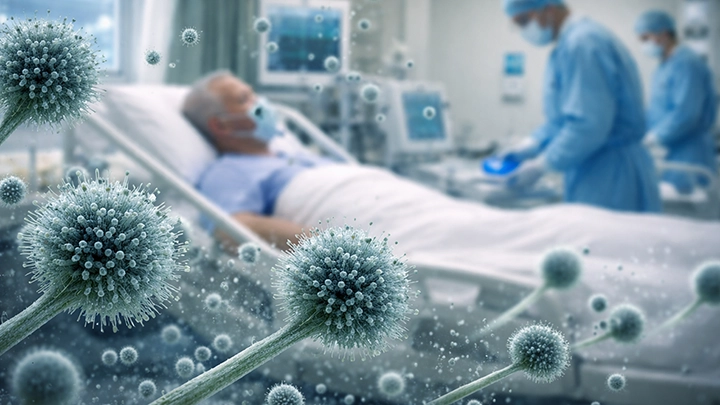
Inside hospitals, however, the situation can change dramatically. Many patients are already medically vulnerable. Cancer treatments, organ transplants, and immune-suppressing medications can weaken the body’s natural defenses.
When that protective barrier weakens, a fungus that normally fades into the background can become a serious and sometimes life-threatening pathogen. Understanding Aspergillus and how it spreads within healthcare environments is essential for improving patient safety and preventing hospital outbreaks.

A Mold That Exists Almost Everywhere
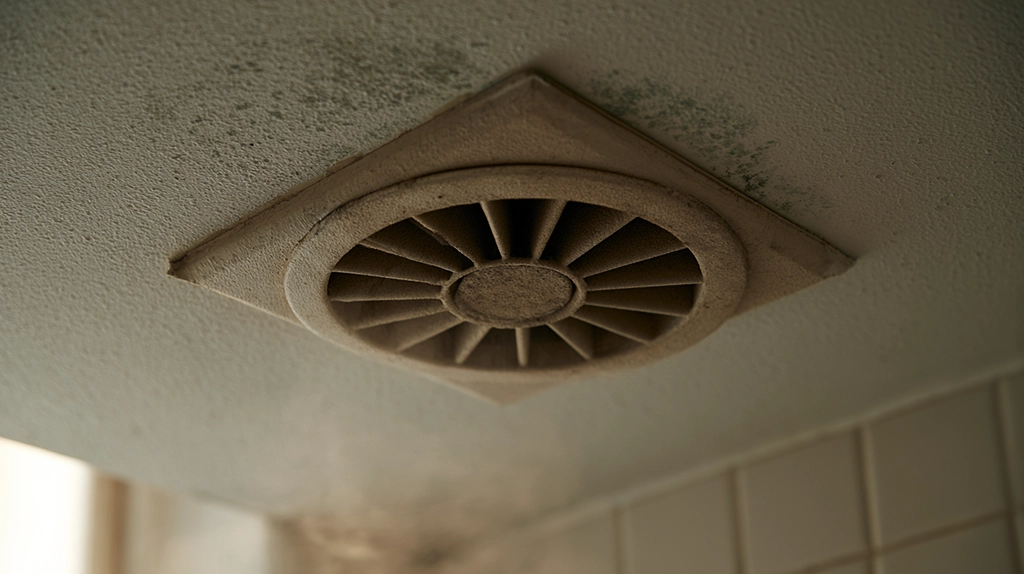
Aspergillus is one of the most widespread fungal groups on Earth. Its spores appear in a remarkable range of environments, including soil, compost piles, agricultural fields, plant debris, indoor dust, building materials, and ventilation systems. Because the spores are extremely small and lightweight, they disperse easily through the atmosphere and can travel long distances through ordinary air currents.
On a typical day, a person may inhale dozens or even hundreds of Aspergillus spores. Despite this constant exposure, infections rarely occur in healthy individuals. The lungs possess an efficient immune surveillance system in which immune cells constantly patrol the airways, capturing and destroying spores before they have the opportunity to germinate. As long as these defenses remain intact, Aspergillus simply behaves as part of the background microbial ecosystem surrounding us.

When the Immune System Can No Longer Protect
In hospital environments, many patients are more vulnerable to infection because their immune systems are weakened by medical treatments or underlying illnesses. Individuals undergoing chemotherapy, patients recovering from organ transplantation or bone marrow transplantation, and people receiving immunosuppressive drugs to prevent transplant rejection all face significantly higher risks.
Critically ill patients in intensive care units and elderly individuals with complex medical conditions may also have reduced immune defenses. When these vulnerable patients inhale Aspergillus spores, the body may no longer be able to eliminate them effectively. The spores can begin to germinate in the lungs, producing thread-like fungal structures known as hyphae. These filaments can invade surrounding tissue and in severe cases penetrate blood vessels.
This condition, known as invasive aspergillosis, is a serious infection that can spread beyond the lungs to other organs. Once the disease becomes established, it may progress rapidly and requires aggressive antifungal treatment.
The Diagnostic Challenge
One of the most challenging aspects of invasive aspergillosis is early detection. The infection often begins with symptoms that closely resemble other respiratory illnesses, which can delay recognition of the disease. Patients may develop fever, persistent coughing, chest pain, and shortness of breath—symptoms that are easily mistaken for bacterial pneumonia or viral respiratory infections.
Because fungal infections are less common than bacterial ones, they are not always the first diagnosis physicians consider. Confirming invasive aspergillosis usually requires specialized testing. Doctors may rely on fungal antigen detection assays such as the galactomannan test, molecular diagnostic techniques such as PCR, or imaging tools such as CT scans that reveal characteristic lung lesions associated with fungal invasion.
In severe situations, a tissue biopsy may be necessary to directly observe fungal filaments within infected tissue. Unfortunately, by the time the infection is definitively diagnosed, it may already have progressed significantly, which makes early recognition one of the most critical challenges in fungal disease management.

Hospitals and the Hidden Movement of Spores
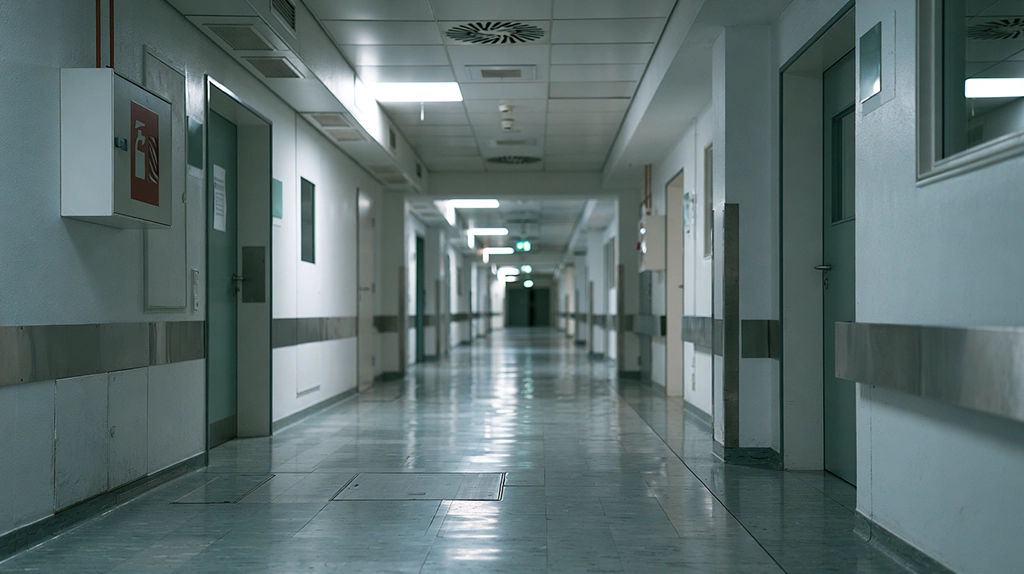
Hospitals are carefully controlled medical environments, but they cannot be completely sealed off from the surrounding world. Airborne fungal spores can enter healthcare facilities through ventilation systems, dust disturbances, or contaminated building materials.
One of the most well-known triggers of hospital aspergillosis outbreaks is construction or renovation activity. When walls, ceilings, insulation, or old infrastructure are disturbed, large numbers of fungal spores that have accumulated in dust and building materials can be released into the air. Once airborne, these spores may circulate through ventilation systems and reach patient areas.
To reduce these risks, hospitals implement strict environmental control strategies. High-efficiency particulate air (HEPA) filtration systems are commonly used to remove airborne spores from ventilation systems. Hospitals may also employ controlled airflow rooms, protective isolation wards for vulnerable patients, and temporary construction barriers designed to prevent dust from spreading through clinical areas. Infection-control teams often monitor environmental conditions closely during building projects to limit fungal exposure.

The Growing Concern of Antifungal Resistance
A growing concern among infectious disease specialists is the emergence of antifungal resistance. Certain strains of Aspergillus fumigatus, the species most frequently responsible for invasive aspergillosis, have developed resistance to commonly used antifungal medications known as azole antifungals.
Researchers believe this resistance may partly originate outside hospital environments. In agriculture, azole-based fungicides are widely used to control plant diseases. Environmental exposure to these chemicals can create selective pressure that encourages the survival of resistant fungal strains. When these resistant spores are later inhaled by vulnerable hospital patients, treatment options become more limited and infections can become more difficult to control.
This connection between environmental practices, agriculture, and hospital medicine illustrates how fungal resistance can emerge through complex ecological pathways.

A Global Health Issue Often Overlooked
Despite their significant impact, fungal infections often receive far less public attention than bacterial or viral diseases. Yet invasive fungal infections collectively cause more than one million deaths worldwide every year.
Medical mycology—the scientific field devoted to studying fungal diseases—has historically received less research funding and fewer resources compared with other infectious disease disciplines. As a result, diagnostic tools, surveillance systems, and antifungal drug development have progressed more slowly.
Increasing awareness of pathogens such as Aspergillus is helping draw attention to this gap. Strengthening fungal research and improving infection-control systems in healthcare environments will be essential for reducing the global burden of invasive fungal diseases.

❓ Frequently Asked Questions (FAQ)
What is invasive aspergillosis?
Invasive aspergillosis is a severe fungal infection caused by Aspergillus species, most commonly Aspergillus fumigatus. The infection typically begins in the lungs and can spread to other organs if untreated. It mainly affects patients with weakened immune systems.
Why are hospital patients more vulnerable to Aspergillus infections?
Many hospital patients undergo treatments such as chemotherapy or organ transplantation that suppress the immune system. When immune defenses are weakened, inhaled fungal spores may be able to germinate and cause infection.
How do hospitals prevent Aspergillus outbreaks?
Hospitals reduce fungal exposure through environmental controls such as HEPA filtration systems, specialized airflow rooms, and strict dust management during construction projects. Infection-control teams also monitor hospital air quality to protect vulnerable patients.
Can healthy people get aspergillosis?
Healthy individuals rarely develop invasive aspergillosis because the immune system typically eliminates fungal spores quickly. However, people with weakened immunity or severe lung disease may face higher risks.
Why is antifungal resistance increasing?
Some Aspergillus strains have developed resistance to azole antifungal drugs, partly due to environmental exposure to similar fungicides used in agriculture. Resistant infections are harder to treat and can lead to worse clinical outcomes.
References
Latgé, J. P., & Chamilos, G. (2019). Aspergillus fumigatus and Aspergillosis in 2019. Clinical Microbiology Reviews.
DOI: https://doi.org/10.1128/CMR.00140-18
WHO. Global burden of fungal diseases.
https://www.who.int
CDC – Aspergillosis.
https://www.cdc.gov/aspergillosis/hcp/clinical-overview/index.html
Key Takeaways
- Please login When a common environmental mold becomes a serious medical danger
- Invisible particles drift constantly through the air, originating from soil, plants, dust, compost piles, and decaying organic matter.
- Specialized immune cells known as macrophages and neutrophils patrol the lungs, capturing and destroying spores before they can grow.
- Cancer treatments, organ transplants, and immune-suppressing medications can weaken the body’s natural defenses.
- Aspergillus is one of the most widespread fungal groups on Earth.
Frequently Asked Questions
What should you know about please login to bookmark?
Please login When a common environmental mold becomes a serious medical danger
What should you know about a Mold That Exists Almost Everywhere?
Aspergillus is one of the most widespread fungal groups on Earth. Its spores appear in a remarkable range of environments, including soil, compost piles, agricultural fields, plant debris, indoor dust, building materials, and ventilation systems. Because the spores are extremely small and lightweigh
When the Immune System Can No Longer Protect?
In hospital environments, many patients are more vulnerable to infection because their immune systems are weakened by medical treatments or underlying illnesses. Individuals undergoing chemotherapy, patients recovering from organ transplantation or bone marrow transplantation, an
What should you know about the Diagnostic Challenge?
One of the most challenging aspects of invasive aspergillosis is early detection. The infection often begins with symptoms that closely resemble other respiratory illnesses, which can delay recognition of the disease. Patients may develop fever, persistent coughing, chest pain, and shortness of brea
What should you know about hospitals and the Hidden Movement of Spores?
Hospitals are carefully controlled medical environments, but they cannot be completely sealed off from the surrounding world. Airborne fungal spores can enter healthcare facilities through ventilation systems, dust disturbances, or contaminated building materials.