
Nature as Infrastructure: From “Nice-to-Have” to National Asset
This article — rooted in the UK’s Nature Returns initiative — makes the case that restoring natural systems is not just environmental charity; it’s vital, measurable infrastructure for climate resilience. For decades, climate solutions were dominated by engineering: carbon scrubbers, geoengineering, renewables. Now, thanks to tools like LiDAR and 3D scanning, we’re measuring carbon storage in hedgerows, grasslands, wetlands, and, yes, the networks of soil fungi threading beneath our boots.
The result? Hedgerows, long romanticized as British countryside nostalgia, are shown to pack as much carbon per hectare as woodlands. Species-rich grasslands and restored wetlands are “carbon vaults,” capturing CO₂ and locking it deep underground.
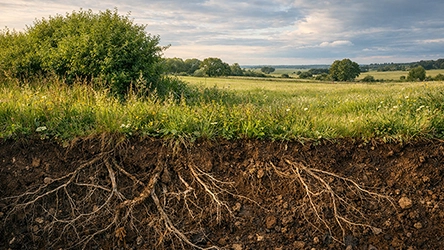
But the true game-changer is below the surface: soil fungi, working as carbon custodians, supporting plant growth, regulating water flow, and building a bio-based barrier against erosion and drought. They aren’t background actors in the ecosystem drama — they’re the keystone workers.


Fungi: The Hidden Architects of Climate Stability
If this report achieves anything, it’s giving soil fungi long-overdue credit as ecosystem engineers. These microscopic mycelial webs don’t just support plants — they are the infrastructure binding the landscape together, increasing soil carbon content, and helping fields rebound from climate stress.
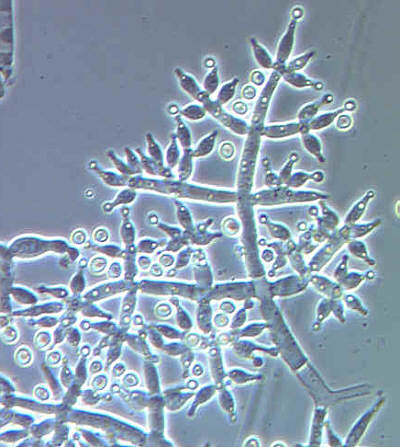
Where fungi thrive, so do crops, grasslands, and native flora. Their ability to form symbiotic partnerships (think: Glomus intraradices with plant roots, Trichoderma fending off pathogens) means healthier soils, fewer chemical fertilizers, and robust carbon capture. The report even suggests that tracking fungal health could be as vital as tracking tree growth in national carbon inventories.
Tech Meets Ecology: Quantifying the Invisible
Science now lets us map, meter, and monetize the “invisible” services nature provides. With laser scanning, drones, and soil DNA tests, we’re finally quantifying what fungi and hedgerows contribute to climate targets.
This brings nature-based solutions out of the feel-good category and into economic planning: carbon offset schemes, insurance risk models, and regulatory frameworks are increasingly recognizing green infrastructure as real, bankable assets.
Imagine a future where a healthy hedgerow or a vibrant fungal network is as valuable to a town’s climate budget as a new solar farm or flood barrier. That’s the trajectory this research points toward.

Policy and Community: Restoration as Practical Action
What makes the Nature Returns approach powerful is its policy muscle. It’s not just about planting a few trees — it’s about cross-agency coordination, leveraging Natural England, Forestry Commission, the Environment Agency, and Royal Botanic Gardens, Kew.
Together, they reduce flood risk, improve air and water quality, and shift farming from extractive to regenerative.
There’s also a social component: restored nature means better access to green spaces, improved mental health, and stronger rural economies. Community groups now have data to back their conservation projects, ensuring local action feeds into national — and global — progress.
Rethinking Restoration: Mycelium to Model
Here’s what’s coming next:
Restoration as Climate Policy: The UK’s success with hedgerows, peatlands, and soil fungi could become the template for other nations — informing everything from the IPCC to UN restoration targets.
Fungal Focus: Expect a new wave of funding and research into mycorrhizal ecology. As fungi gain mainstream recognition, more farmers, policymakers, and carbon market players will be asking: How healthy is your mycelium?
Global Impact, Local Roots: These findings will likely influence international policy. The detailed UK case studies give us global models for carbon accounting and biodiversity gains, all rooted in everyday landscapes.

This shift is more than academic. It reframes mold, mycelium, and their relatives as strategic partners in the fight against climate change. No longer are they just the villains of food storage or allergy reports — they’re vital links in the world’s carbon chain. Fungi turn restoration into resilience, and biodiversity into a buffer against uncertainty.
References
- Natural England. Nature Returns Programme — UK Government (Open Government Licence)
- UK Department for Environment, Food & Rural Affairs (Defra) — Hedgerow carbon assessments
- Lehmann, J. & Kleber, M. (2015). The contentious nature of soil organic matter. Nature, 528, 60–68.
- Liang, C., et al. (2019). The importance of microbial necromass to soil carbon storage. Nature Reviews Microbiology, 17, 45–56.
- European Environment Agency — Nature-based solutions and ecosystem services
Key Takeaways
- This article — rooted in the UK’s Nature Returns initiative — makes the case that restoring natural systems is not just environmental charity; it’s vital, measurable infrastructure for climate resilience.
- Now, thanks to tools like LiDAR and 3D scanning, we’re measuring carbon storage in hedgerows, grasslands, wetlands, and, yes, the networks of soil fungi threading beneath our boots.
- Species-rich grasslands and restored wetlands are “carbon vaults,” capturing CO₂ and locking it deep underground.
- If this report achieves anything, it’s giving soil fungi long-overdue credit as ecosystem engineers.
- Where fungi thrive, so do crops, grasslands, and native flora.
Frequently Asked Questions
What should you know about nature as Infrastructure: From “Nice-to-Have” to National Asset?
This article — rooted in the UK’s Nature Returns initiative — makes the case that restoring natural systems is not just environmental charity; it’s vital, measurable infrastructure for climate resilience. For decades, climate solutions were dominated by engineering: carbon scrubbers, geoengineering,
What should you know about fungi: The Hidden Architects of Climate Stability?
If this report achieves anything, it’s giving soil fungi long-overdue credit as ecosystem engineers. These microscopic mycelial webs don’t just support plants — they are the infrastructure binding the landscape together, increasing soil carbon content, and helping fields rebound from climate stress.
What should you know about tech Meets Ecology: Quantifying the Invisible?
Science now lets us map, meter, and monetize the “invisible” services nature provides. With laser scanning, drones, and soil DNA tests, we’re finally quantifying what fungi and hedgerows contribute to climate targets.
What should you know about policy and Community: Restoration as Practical Action?
What makes the Nature Returns approach powerful is its policy muscle. It’s not just about planting a few trees — it’s about cross-agency coordination, leveraging Natural England, Forestry Commission, the Environment Agency, and Royal Botanic Gardens, Kew.
What are the key findings about Restoring Balance?
This article — rooted in the UK’s Nature Returns initiative — makes the case that restoring natural systems is not just environmental charity; it’s vital, measurable infrastructure for climate resilience. For decades, climate solutions were dominated by engineering: carbon scrubbers, geoengineering,