According to EurekAlert
Study Reveals Wildlife May Harbor Pathogenic Sporothrix Species
A new study conducted in Brazil has revealed that pathogenic fungi responsible for sporotrichosis are present in a wide range of wild animals, expanding scientific understanding of how these emerging fungal pathogens circulate in nature.
Researchers detected DNA from several species of Sporothrix in the internal organs of mammals, birds, and reptiles collected from roadkill, suggesting that wildlife may serve as previously unrecognized reservoirs for fungi capable of infecting both animals and humans.
The findings, published in Mycopathologia, indicate that the geographic and ecological distribution of pathogenic Sporothrix species may be broader than previously believed.
The discovery raises important questions about wildlife involvement in the transmission cycle of sporotrichosis and highlights the need for increased surveillance under the One Health framework, which recognizes the interconnected health of humans, animals, and ecosystems.
Sporotrichosis Has Traditionally Been Linked to Domestic Cats
Sporotrichosis is a fungal disease caused by species within the genus Sporothrix.
The infection commonly affects the skin and subcutaneous tissues but can spread through the lymphatic system and, in severe cases, become systemic.
In recent years, the disease has become increasingly associated with domestic cats, which play a major role in transmitting the fungus to other animals and humans through scratches, bites, and contact with infected lesions.
Historically, research has focused primarily on domestic animals, particularly cats, as reservoirs of pathogenic Sporothrix.
However, the new study suggests that wild animals may also participate in maintaining and spreading these fungi within the environment.

Sporotrichosis Has Traditionally Been Linked to Domestic Cats
Sporotrichosis is a fungal disease caused by species within the genus Sporothrix.
The infection commonly affects the skin and subcutaneous tissues but can spread through the lymphatic system and, in severe cases, become systemic.
In recent years, the disease has become increasingly associated with domestic cats, which play a major role in transmitting the fungus to other animals and humans through scratches, bites, and contact with infected lesions.
Historically, research has focused primarily on domestic animals, particularly cats, as reservoirs of pathogenic Sporothrix.
However, the new study suggests that wild animals may also participate in maintaining and spreading these fungi within the environment.
Researchers Examined Wildlife Roadkill Across Paraná
The investigation analyzed tissue samples collected from wild animals killed by vehicles on highways in the Brazilian state of Paraná.
The project was part of a broader initiative examining the use of wildlife as sentinels for zoonotic diseases and environmental health monitoring.
Researchers collected carcasses shortly after road accidents occurred between 2017 and 2023.
The animals were found along approximately 680 kilometers of highways that pass through diverse landscapes, including Atlantic Forest ecosystems, rural properties, and transitional areas where wildlife, domestic animals, and human activities frequently overlap.
A total of 178 tissue samples from 81 animals were analyzed.
The sample included 39 mammals, 36 birds, and six reptiles.
Researchers focused on internal organs such as the heart, liver, lungs, and bladder to reduce the possibility of environmental contamination affecting the results.
Pathogenic Sporothrix DNA Found in Multiple Animal Groups
Using advanced molecular diagnostic techniques, the team detected DNA from pathogenic Sporothrix species in 11 animals.
Positive samples were identified across all three animal groups, including mammals, birds, and reptiles, demonstrating that the fungi are circulating among a broader range of hosts than previously documented.
Three pathogenic fungal species were detected: Sporothrix brasiliensis, Sporothrix schenckii, and Sporothrix globosa.
Among these, S. brasiliensis is considered endemic to Brazil and is responsible for the majority of sporotrichosis cases reported in the country.
S. schenckii is one of the most widespread species globally, while S. globosa is comparatively rare in Brazil.
The most frequently detected species was S. schenckii, which was identified in eight samples from seven different animals.
Researchers found the fungus in mammals, birds, and reptiles, including the false coral snake (Oxyrhopus spp.).
The findings suggest that this species may possess a greater ecological range than previously recognized.
Endangered Wild Feline Among Positive Animals
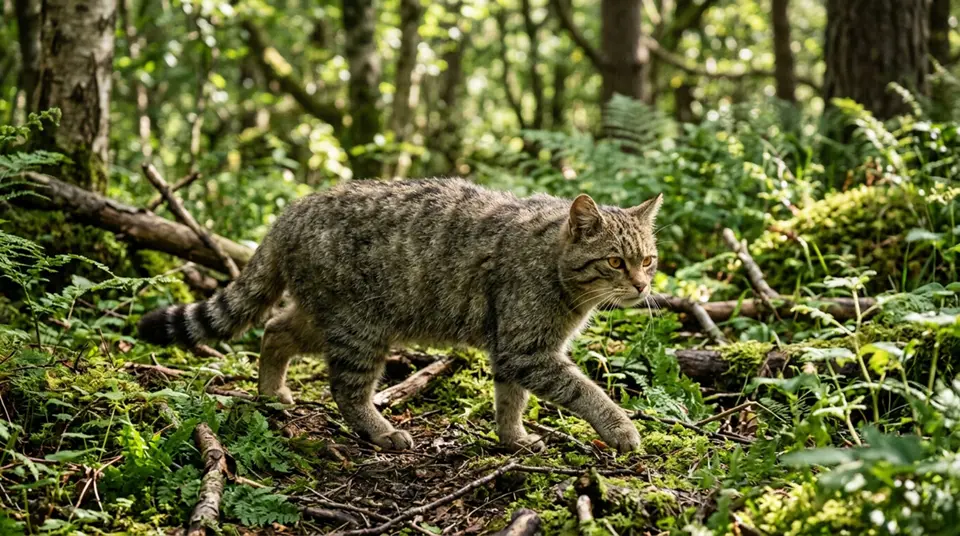
One of the notable discoveries involved the detection of fungal DNA in the southern tigrina (Leopardus guttulus), an endangered wild feline native to South America.
The presence of Sporothrix in a threatened species raises additional concerns regarding wildlife health and conservation.
Meanwhile, S. brasiliensis was detected in two birds, while S. globosa was identified in an agouti (Dasyprocta spp.), birds, and a false coral snake.
Researchers also observed two cases in which individual animals carried DNA from more than one pathogenic Sporothrix species simultaneously.
The detection of fungal DNA within internal organs such as the heart and liver was particularly significant.
These tissues were among the most frequently positive samples, suggesting that the fungi had entered the animals’ bodies rather than merely contaminating external surfaces.
Although researchers were unable to perform histopathological examinations to confirm active infection, the presence of fungal genetic material within internal tissues indicates that the organisms were circulating within the body.
Future studies may help determine whether the fungi were causing disease or simply colonizing their hosts without producing symptoms.
Birds May Not Be Protected by Elevated Body Temperature
The findings also challenge assumptions regarding fungal survival in birds.
It has long been suggested that birds possess a natural defense against many pathogenic fungi because their body temperatures can reach approximately 42°C, creating conditions unfavorable for fungal growth.
However, the detection of pathogenic Sporothrix species in birds suggests that these fungi are capable of tolerating elevated temperatures.
This observation expands current understanding of fungal ecology and host adaptation.
Researchers further observed that positive cases were more common in transitional environments where native ecosystems intersect with rural and urban landscapes.
Such areas create opportunities for increased interaction among wildlife, domestic animals, and humans, potentially facilitating pathogen exchange across species.
Environmental Change May Influence Pathogen Spread
The study’s authors argue that human-driven environmental changes may be contributing to the emergence of Sporothrix in new hosts.
Urban expansion, habitat fragmentation, agricultural development, and increased contact between domestic and wild animals may be altering traditional ecological boundaries and creating new opportunities for pathogen transmission.
Beyond its scientific findings, the study also demonstrates the value of roadkill surveillance as a practical tool for monitoring emerging infectious diseases.
Brazil is estimated to experience approximately 1.3 million wildlife road deaths every day, representing more than 475 million animals annually.
Researchers suggest that these animals provide an important and cost-effective source of information about environmental health and pathogen circulation.

New Reservoirs Expand Understanding of Sporotrichosis Ecology
The discovery of pathogenic Sporothrix species in diverse wildlife species broadens the understanding of sporotrichosis ecology and highlights the complexity of fungal disease transmission.
The findings suggest that reservoirs of these fungi extend far beyond domestic cats and may involve a wide network of wildlife hosts.
As sporotrichosis continues to emerge as a significant public and veterinary health concern in several regions, the identification of new potential reservoirs underscores the importance of integrated surveillance strategies.
Continued monitoring of wildlife, domestic animals, and environmental sources may help researchers better understand the spread of these fungal pathogens and develop more effective disease prevention measures.
The findings provide another example of why the One Health approach is becoming increasingly important for understanding emerging infectious diseases that move between wildlife, domestic animals, humans, and the environment.
References
According to EurekAlert