According to EurekAlert
Infant Gut Fungi May Shape Future Immune Health
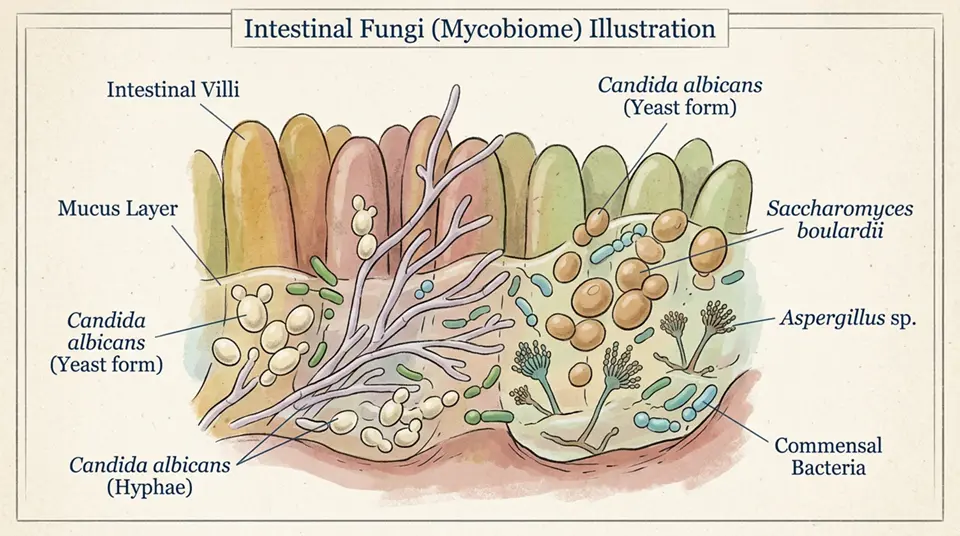
Scientists have uncovered compelling evidence that fungi living in the infant gut may play a far greater role in immune development than previously recognized. Two complementary studies, published simultaneously in Nature Communications, suggest that specific fungal communities in the gut—collectively known as the gut mycobiome—could become important targets for preventing childhood asthma, food allergies, and atopic dermatitis.
Beyond Bacteria: The Overlooked Role of Gut Fungi
For years, research into the gut microbiome has focused primarily on bacteria, leading to significant advances in understanding immune function and disease. However, fungi, despite representing a natural component of the intestinal ecosystem, have remained largely overlooked. The new findings indicate that these fungal populations may influence the developing immune system during a critical period of early life.

Large-Scale Infant Cohort Reveals Distinct Fungal Development
One study, led by researchers at the BC Children’s Hospital Research Institute, analyzed data from the CHILD Cohort Study, one of the world’s largest long-term investigations into childhood health. Researchers examined 2,256 biological samples collected from 1,409 infants during their first year of life. Their analysis revealed that fungal populations follow distinct developmental patterns throughout infancy, and these patterns were closely associated with future allergic outcomes.
Malassezia Emerges as a Potential Biomarker
Among the most notable findings was the observation that fungal groups belonging to the family Saccharomycetaceae gradually increased during the first year of life, while Malassezia species declined over the same period. However, infants who later developed atopic dermatitis exhibited significantly higher levels of Malassezia, suggesting that fungal composition during infancy may predict future immune-related diseases.
Antibiotics Can Reshape the Infant Mycobiome
A second study, conducted by researchers at the University of Calgary, focused on how antibiotic exposure affects the infant gut mycobiome. Antibiotics are essential medications for treating bacterial infections, especially in young children. Nevertheless, the research demonstrated that antibiotic treatment can unintentionally disrupt the fungal balance within the gut.
Antibiotic-Induced Fungal Expansion May Promote Allergic Inflammation
Following antibiotic exposure, researchers observed a substantial increase in Malassezia species. To investigate the biological consequences, the team introduced these fungi into experimental mouse models. The results showed that colonization with Malassezia promoted allergic inflammation in both the gastrointestinal tract and the airways, indicating a direct connection between fungal expansion and immune dysregulation.
Explaining the Link Between Antibiotics and Childhood Asthma
These findings provide a possible explanation for the long-recognized association between early-life antibiotic use and an increased risk of allergic asthma. Rather than antibiotics directly causing asthma, the drugs may alter the gut’s fungal ecosystem, creating conditions that influence immune development during a sensitive developmental window.
Human and Animal Studies Reveal Complementary Evidence
Together, the two studies present complementary evidence supporting the importance of the gut mycobiome. While one identifies fungal biomarkers associated with future allergic disease in human infants, the other demonstrates a biological mechanism by which fungal imbalance can alter immune responses.
Researchers emphasize that antibiotics remain an essential and often lifesaving medical treatment. The studies do not suggest avoiding necessary antibiotic use but instead highlight an overlooked consequence that may eventually be managed through targeted therapies designed to restore healthy fungal communities after treatment.
Looking Beyond Bacteria
The findings also expand the scientific understanding of the gut microbiome beyond bacteria alone. As research increasingly recognizes the complex interactions among bacteria, fungi, viruses, and the immune system, scientists believe that future therapies may involve manipulating multiple microbial communities rather than focusing exclusively on bacterial populations.

Toward Microbiome-Based Preventive Medicine
If these discoveries are confirmed through additional clinical studies, therapies aimed at maintaining or restoring a balanced infant gut mycobiome could become an innovative strategy for reducing the global burden of childhood allergic diseases. Given that hundreds of millions of children worldwide are affected by asthma, eczema, and food allergies, understanding the role of gut fungi may open an entirely new direction for preventive medicine.
A New Frontier in Immune Development Research
The studies underscore that the infant gut mycobiome is not merely a passive microbial community but an active participant in shaping immune development. By identifying fungal species that influence allergic inflammation, researchers have established an important foundation for future investigations into microbiome-based interventions designed to improve long-term immune health.
References
National Institute of Arthritis and Musculoskeletal and Skin Diseases (NIAMS). Atopic Dermatitis.
According to EurekAlert