According to DENGARDEN
Painting over mold may hide stains temporarily, but it does not eliminate the underlying problem, according to home repair and medical experts. Mold continues to grow beneath the paint if moisture remains, allowing contamination to return while potentially affecting indoor air quality. Experts emphasize that identifying and eliminating the source of moisture should always be the first step before any cosmetic repairs.
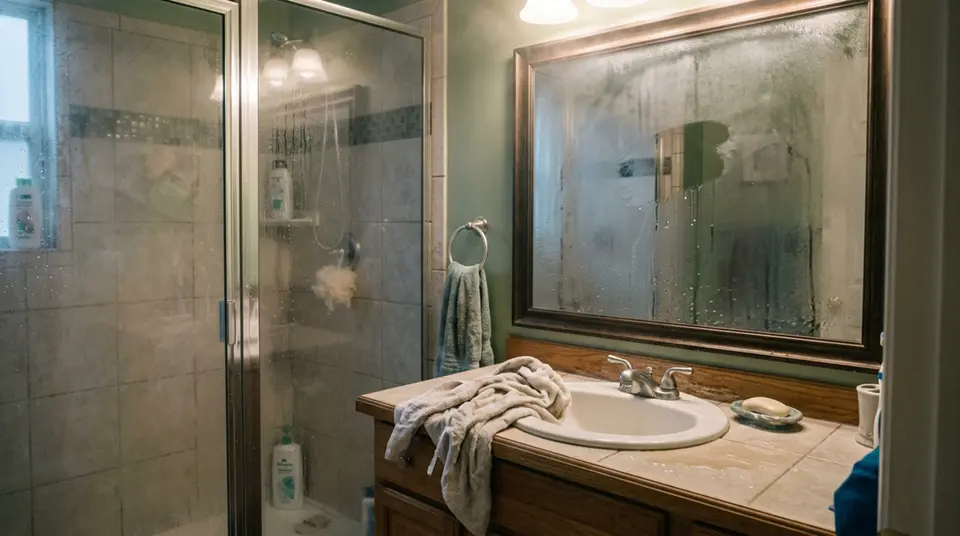
Specialists explain that mold requires moisture to survive. Roof leaks, plumbing issues, condensation, or poor ventilation can all create conditions for mold growth. Simply applying paint traps the visible mold without removing it, while brushing or rolling paint may disturb mold spores and release them into the air. This can increase exposure, particularly for people with asthma, allergies, or other respiratory conditions.
The recommended solution is to address the moisture source first, then remove contaminated materials when necessary. For mold-damaged drywall, experts say replacement is often the most effective option because mold can penetrate porous building materials. The U.S. Environmental Protection Agency advises that homeowners may clean small affected areas — generally less than about 10 square feet — while larger infestations should be handled by professional remediation services. Improving ventilation, repairing leaks, and controlling indoor humidity can help reduce the risk of future mold growth.
Although mold-resistant paints are available, experts stress that these products are designed to help prevent future mold growth rather than eliminate existing contamination. Painting should only take place after mold has been properly removed and the underlying moisture problem has been resolved. Addressing the root cause remains the most effective strategy for maintaining a healthy indoor environment.

References
U.S. Environmental Protection Agency. Mold Cleanup in Your Home. https://www.epa.gov/mold/mold-cleanup-your-home
According to DENGARDEN