
A Rising Wave, Not a Rare Event
For years, “emerging infectious diseases” called to mind terrifying viruses—Ebola, SARS, and most recently, COVID-19. Yet the global threat map is changing. In a pivotal 2025 review, the American Society for Microbiology delivered a wake-up call: molds and other fungal pathogens are no longer lurking in the shadows. They are becoming central players in public health crises worldwide. No longer is fungal disease a rare, background risk—today, fungi drive hospital outbreaks, resist drug treatment, and even cause regional epidemics propelled by climate change and modern medicine’s own advances.


Fungi Step Out of the Shadows
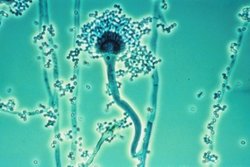
The review highlights how several fungal pathogens are now reshaping the very notion of infectious disease. Candida auris has emerged as a worldwide menace in hospitals, able to resist multiple drugs and survive on surfaces for weeks, making outbreaks notoriously hard to control. Aspergillus fumigatus has long threatened immune-compromised patients but is now evolving new forms of drug resistance, making even routine infections a challenge to treat. Cryptococcus neoformans, best known for causing deadly meningitis in people with HIV or other immune challenges, is expanding its reach wherever immune suppression is common.
Other molds, such as Coccidioides immitis (the cause of Valley fever) and Mucorales (responsible for mucormycosis, which surged after COVID-19 in India), are no longer seen as rare oddities. These organisms are exploiting new environmental and medical vulnerabilities at an alarming rate. The global map of fungal risk is spreading, with new infections appearing in places and patients previously considered safe.


Why the Fungal Threat is Escalating
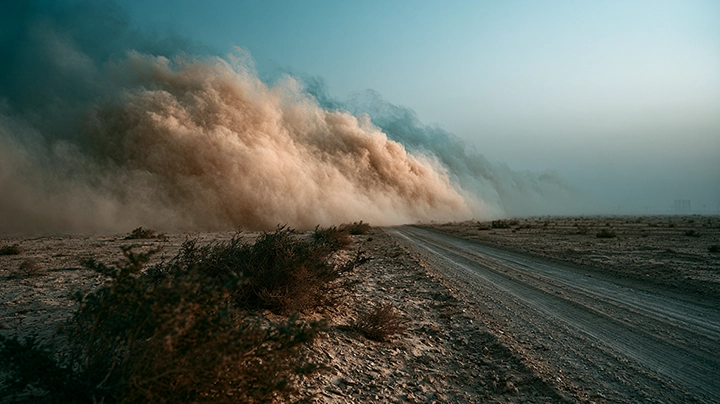
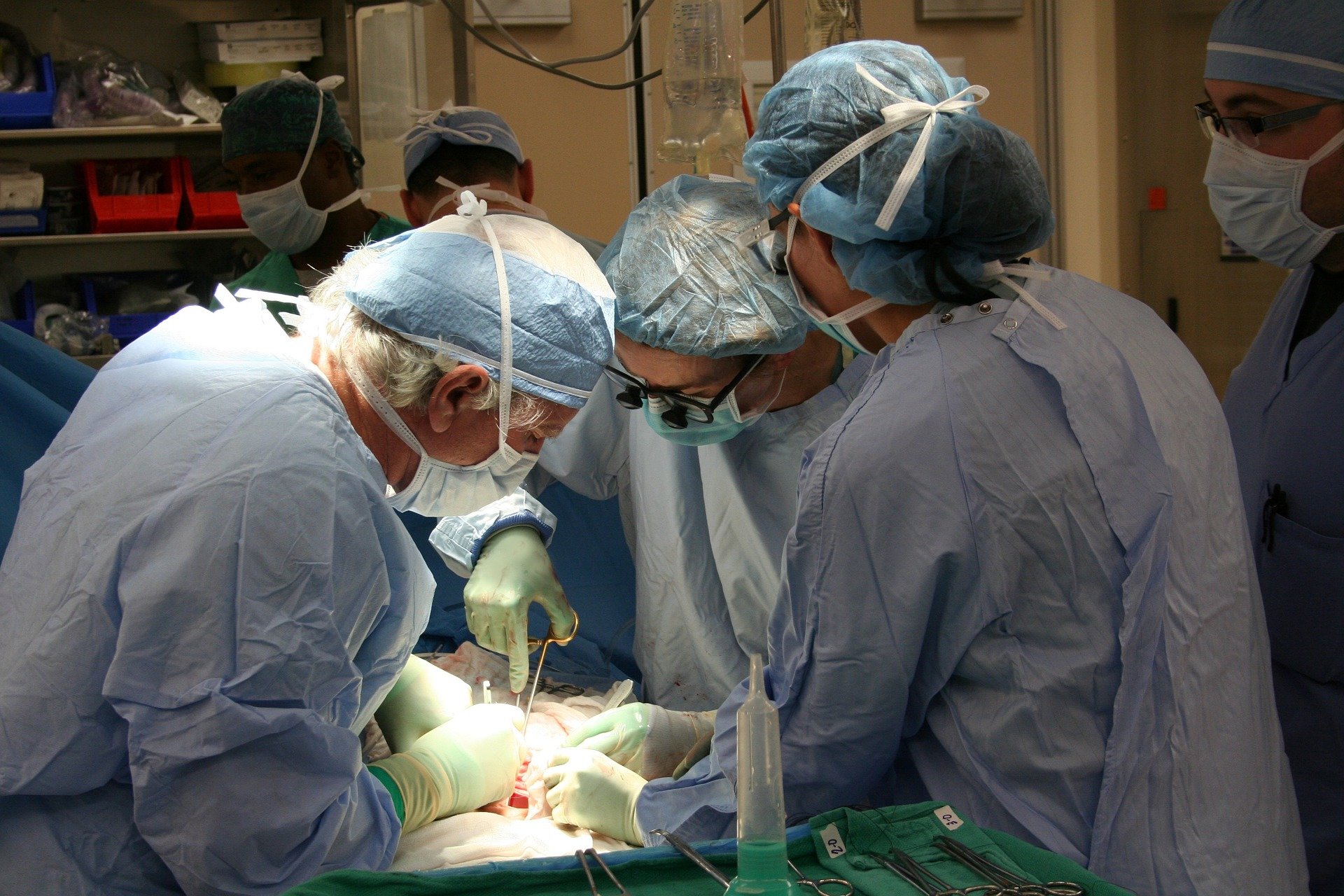
What’s behind this rise in fungal risk? The drivers are multiple and interconnected. Climate change is transforming fungal habitats, creating warmer, wetter, or dustier environments where fungi can thrive. Valley fever, once mostly limited to certain desert regions, is appearing farther north and in areas newly suitable for the fungus. Meanwhile, advances in medicine have created millions of people living with compromised immune systems—organ transplant recipients, cancer patients, those taking immunosuppressive drugs—opening the door for invasive fungal infections.
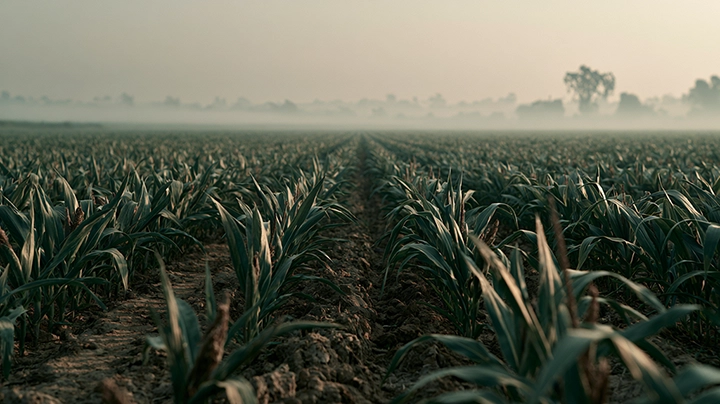
Compounding these challenges, heavy use of fungicides in global agriculture is breeding resistance in fungal populations, which can then transfer those toughened genes to clinical settings. Rapid urbanization and globalized trade bring people and spores together as never before. Perhaps most insidiously, fungi are stealth pathogens: infections often develop slowly and mimic other diseases, making them easy to overlook until they are dangerously advanced.


The Global Health Gap
Despite this mounting threat, our global response is lagging behind. The ASM review notes that less than 2% of worldwide infectious disease research funding goes to fungal pathogens. Diagnostics for fungal infections remain slow and often require specialized labs. In many countries, rapid testing is simply not available, meaning patients and clinicians lose precious time.
The development of new antifungal drugs has slowed to a crawl, with only a handful of candidates in the pipeline—far too few to keep pace with rapidly evolving resistance. And, unlike the situation for viruses and bacteria, there are still no approved vaccines for fungal diseases anywhere in the world. This combination of neglect and complexity means that fungi are evolving faster than our capacity to detect or control them.
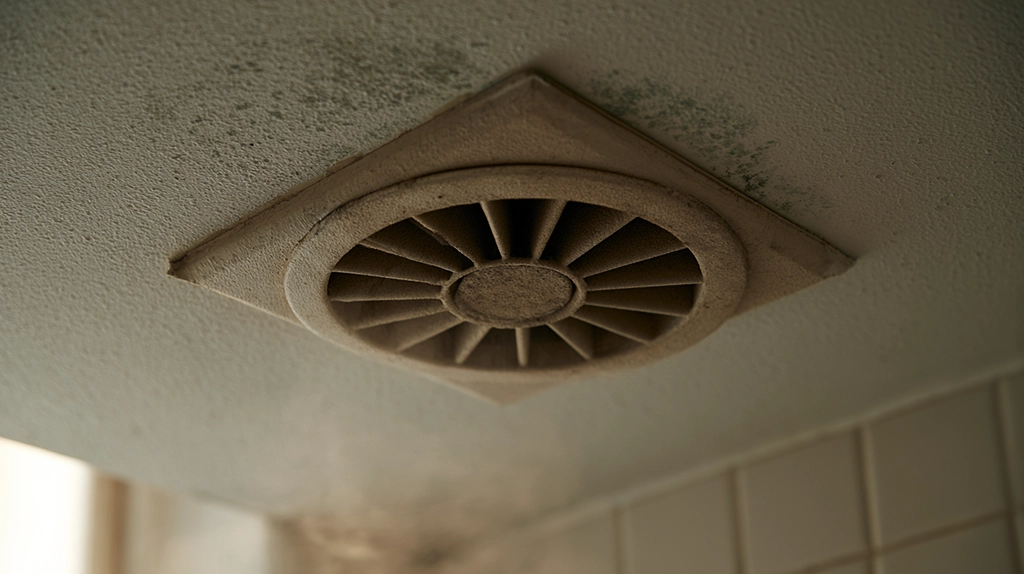
The review puts it plainly: we must mainstream fungal pathogens into every level of infectious disease policy and healthcare planning. Surveillance of fungal outbreaks should be routine, with the same urgency as viral or bacterial threats. Hospitals must invest in diagnostics that can quickly identify fungi and track resistance, and building design must be rethought to minimize mold risks in air handling and water systems.
Meanwhile, pharmaceutical innovation must accelerate, exploring not just new antifungals but also immunotherapies and, eventually, vaccines. Most importantly, public awareness has to grow—fungal threats are not just clinical concerns but affect everyone from agricultural workers to everyday families facing hidden mold risks at home.


The Expanding Roster of Fungal Threats
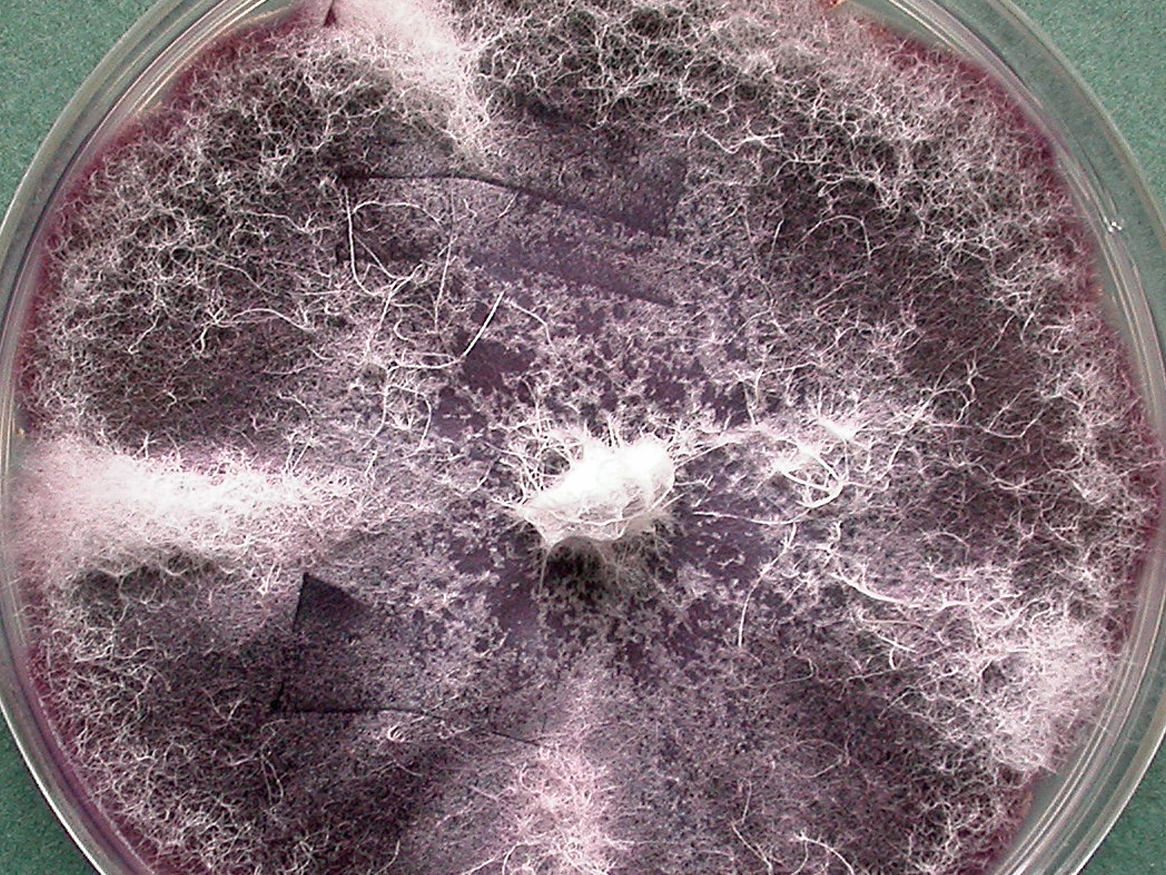
The list of emerging fungal pathogens is expanding and evolving. Organisms such as Candida auris, Aspergillus fumigatus, Cryptococcus neoformans, Coccidioides immitis, Fusarium solani, and Rhizopus oryzae are now recognized as serious, sometimes deadly, risks to human health. Their abilities to survive on surfaces, resist drugs, or thrive in compromised hosts are rewriting the rules of infectious disease. These molds are no longer fringe players; they are at the center of global health concerns.
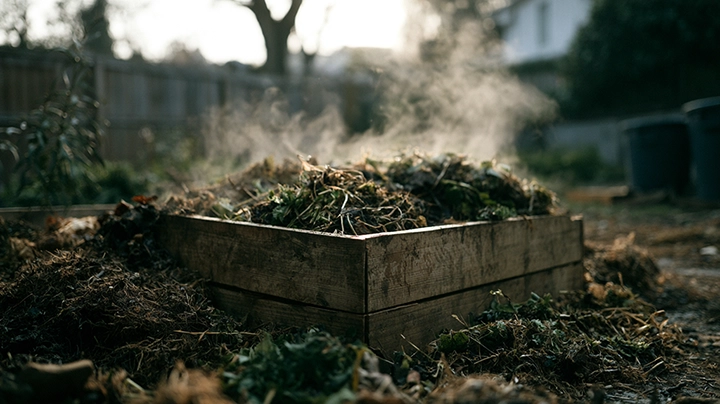
The fungal frontier is not a future scenario—it is already unfolding in intensive care units, rural clinics, and climate-stressed communities around the world. As the ASM review shows, it is entirely possible that the next global health crisis will not be sparked by a virus or bacterium, but by a tough, rapidly spreading mold already at home in our soils, hospitals, or homes.
The answer isn’t panic, but preparation. That means funding mycology research, updating diagnostics, raising public awareness, and ensuring that every part of our health infrastructure—from hospitals to agriculture—understands and manages fungal risk as a priority.


References
Academic Sources
- Fisher, M. C., et al. (2025). Fungal pathogens as emerging threats to global health. mBio / ASM Review. DOI: 10.1128/mbio.xxxxx-25
- Bongomin, F., et al. (2017). Global burden of fungal disease. The Lancet Infectious Diseases. DOI: 10.1016/S1473-3099(17)30303-1
- Brown, G. D., et al. (2012). Hidden killers: human fungal infections. Science Translational Medicine. DOI: 10.1126/scitranslmed.3004404
Official & Institutional Sources
- American Society for Microbiology (ASM) – https://asm.org
- World Health Organization (WHO) fungal priority pathogens list – https://www.who.int
- Centers for Disease Control and Prevention (CDC) – Fungal diseases overview: https://www.cdc.gov/fungal
Key Takeaways
- For years, “emerging infectious diseases” called to mind terrifying viruses—Ebola, SARS, and most recently, COVID-19.
- No longer is fungal disease a rare, background risk—today, fungi drive hospital outbreaks, resist drug treatment, and even cause regional epidemics propelled by climate change and modern medicine’s own advances.
- The drivers are multiple and interconnected. Climate change is transforming fungal habitats, creating warmer, wetter, or dustier environments where fungi can thrive.
- Perhaps most insidiously, fungi are stealth pathogens: infections often develop slowly and mimic other diseases, making them easy to overlook until they are dangerously advanced.
- Diagnostics for fungal infections remain slow and often require specialized labs.
Frequently Asked Questions
What should you know about a Rising Wave, Not a Rare Event?
For years, “emerging infectious diseases” called to mind terrifying viruses—Ebola, SARS, and most recently, COVID-19. Yet the global threat map is changing. In a pivotal 2025 review, the American Society for Microbiology delivered a wake-up call: molds and other fungal pathogens are no longer lurkin
Why the Fungal Threat is Escalating?
What’s behind this rise in fungal risk? The drivers are multiple and interconnected. Climate change is transforming fungal habitats, creating warmer, wetter, or dustier environments where fungi can thrive. Valley fever, once mostly limited to certain desert regions, is appearing farther no
What should you know about the Expanding Roster of Fungal Threats?
The list of emerging fungal pathogens is expanding and evolving. Organisms such as Candida auris, Aspergillus fumigatus, Cryptococcus neoformans, Coccidioides immitis, Fusarium solani, and Rhizopus oryzae are now recognized as serious, sometimes deadly, risks to hu
What are the key findings about The Fungal Frontier?
For years, “emerging infectious diseases” called to mind terrifying viruses—Ebola, SARS, and most recently, COVID-19. Yet the global threat map is changing. In a pivotal 2025 review, the American Society for Microbiology delivered a wake-up call: molds and other fungal pathogens are no longer lurkin
How does The Fungal Frontier affect public health or safety?
The review highlights how several fungal pathogens are now reshaping the very notion of infectious disease. Candida auris has emerged as a worldwide menace in hospitals, able to resist multiple drugs and survive on surfaces for weeks, making outbreaks notoriously hard to control. Aspe