According to THE DEBRIEF
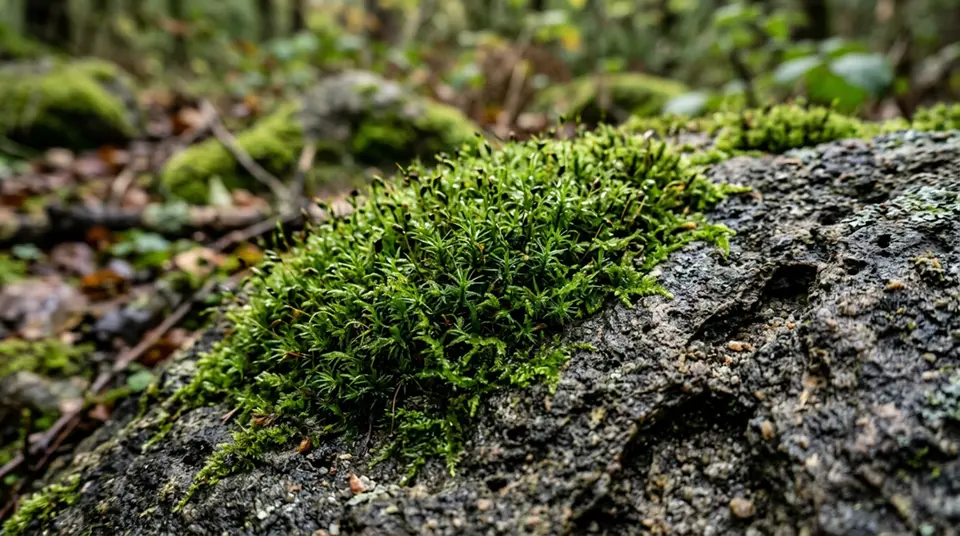
Scientists have discovered that fungi living inside desert mosses may play a far more important role in helping life survive harsh, arid environments than previously understood. The study reveals that these fungi are not merely surface contaminants or opportunistic colonizers but persistent internal partners that may improve the ability of mosses to tolerate extreme drought, intense solar radiation, and nutrient-poor conditions. The findings challenge traditional assumptions about desert ecosystems and suggest that fungal symbiosis has been underestimated as a driver of survival in some of Earth’s most hostile environments.

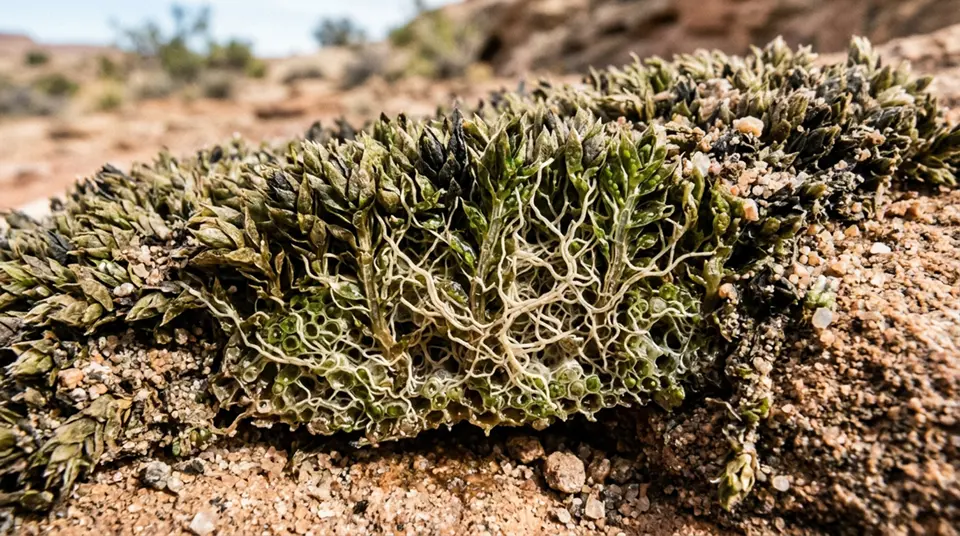
The research, led by Kian H. Kelly and colleagues at the University of California, Riverside and published in New Phytologist, focused on desert mosses growing in biological soil crusts, commonly known as biocrusts, which cover large portions of dryland ecosystems worldwide. Biocrusts are complex communities composed of mosses, lichens, cyanobacteria, algae, fungi, and other microorganisms that stabilize soil, reduce erosion, regulate water movement, and contribute to nutrient cycling. Using advanced microscopic imaging and molecular sequencing, researchers discovered that fungal hyphae extend throughout the internal tissues of desert mosses rather than remaining confined to external surfaces. This intimate association indicates a long-term biological relationship instead of a temporary environmental interaction.

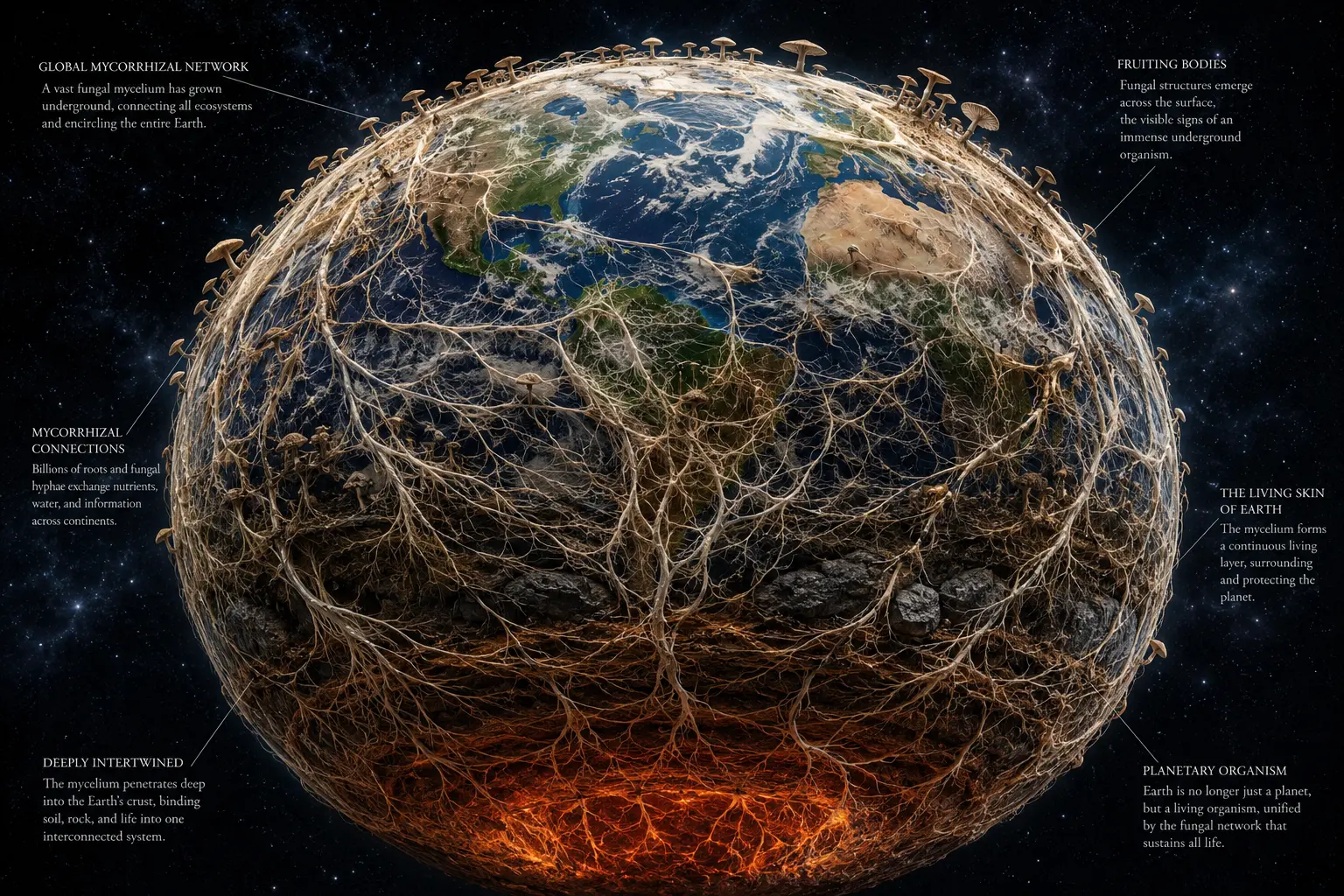
Researchers propose several ways these fungal partners may benefit their moss hosts. The fungi could help improve water retention during prolonged dry periods, enhance nutrient acquisition from mineral-poor soils, reduce oxidative damage caused by intense ultraviolet radiation, and strengthen cellular resilience during repeated dehydration and rehydration cycles. Because desert mosses often experience rapid transitions between complete desiccation and brief hydration following rainfall, maintaining internal stability is essential for survival. Although additional experimental studies are still required to determine the precise mechanisms involved, the discovery expands current understanding of how fungal symbioses contribute to plant adaptation under environmental stress. The identified partners belong to Glomeromycotina, a lineage of arbuscular mycorrhizal fungi (AMF) that cannot survive without a plant partner, and the intracellular branching structures observed inside healthy cells of the moss species Trichostomopsis australasiae closely resemble the arbuscules that other land plants use to exchange nutrients with fungi.

Beyond its ecological significance, the discovery may have practical implications for climate adaptation and ecosystem restoration. Drylands account for approximately 40 percent of Earth’s terrestrial surface and support billions of people while facing increasing pressure from climate change, desertification, and land degradation. Understanding how naturally occurring fungal communities help mosses survive extreme conditions could inspire new approaches for restoring damaged dryland ecosystems, improving soil stability, and developing more drought-tolerant crops. Scientists emphasize that the research represents an important step toward recognizing fungi as active ecological partners rather than overlooked components of desert biodiversity, opening new directions for studying resilience in changing environments — and may even offer clues about how the first plants colonized dry land roughly 470 million years ago.

References
UC Riverside News (2026). Scientists just found something weird inside moss. June 17, 2026.
According to THE DEBRIEF