According to interestingengineering
Ancient Mosses Harbor Hidden Fungal Communities
Scientists have discovered that mosses harbor diverse fungal communities living inside their tissues, providing new evidence that fungi have formed close biological partnerships with some of Earth’s earliest land plants. The findings challenge previous assumptions about moss biology and suggest that plant–fungal symbiosis may have originated much earlier in evolutionary history than previously believed.

Endophytic Fungi Live Inside Moss Tissues
The study revealed that fungi are not simply growing on the surface of mosses but exist within their tissues as endophytes—fungi that live inside plants without causing visible disease. Using modern DNA sequencing techniques, researchers identified numerous fungal species inhabiting mosses, indicating that these ancient plants support complex microbial ecosystems.

Mosses Are Among Earth’s Earliest Land Plants
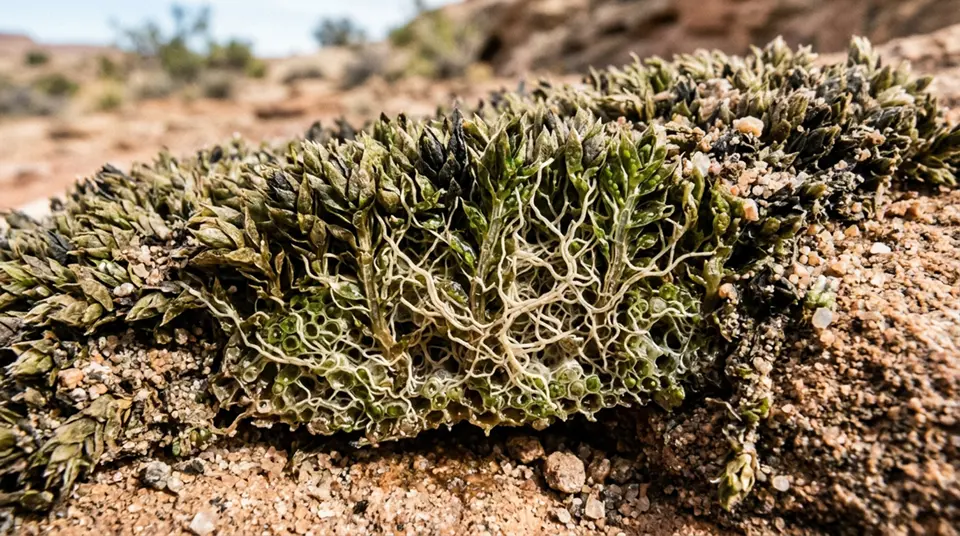
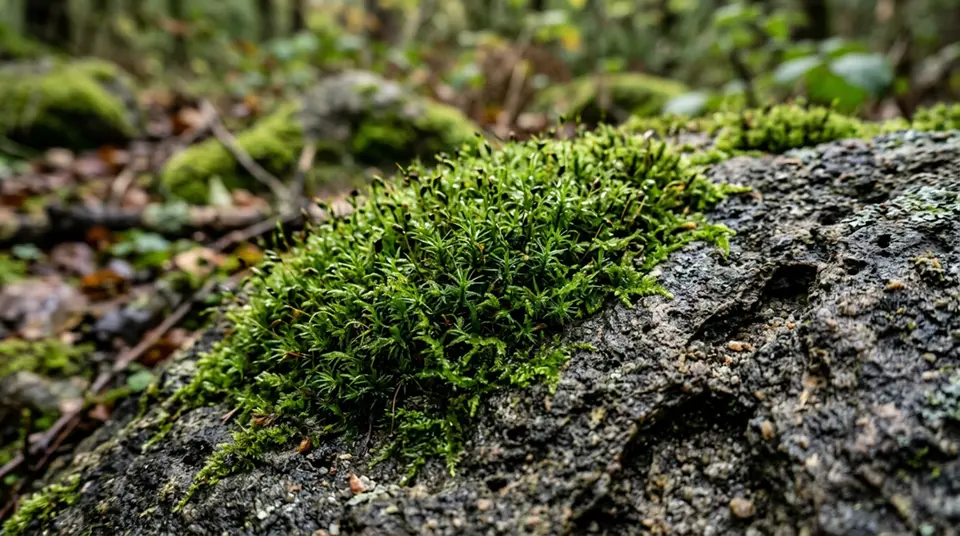
Mosses are among the oldest groups of land plants, having appeared more than 450 million years ago. Unlike flowering plants and trees, they do not possess true roots or vascular tissues. Despite their simple structure, mosses thrive in forests, wetlands, tundra, deserts, and other challenging environments across the globe.
Ancient Plant–Fungal Symbiosis May Have Begun Earlier Than Expected
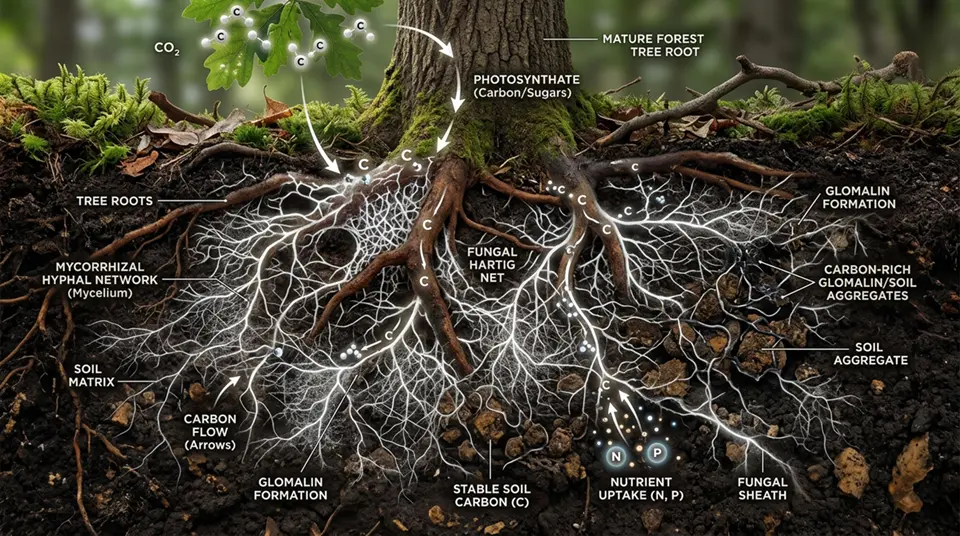
For many years, scientists believed that sophisticated fungal symbioses mainly evolved in vascular plants through mycorrhizal associations, where fungi exchange nutrients and water for plant-produced sugars. The new findings suggest that intimate fungal relationships may have existed much earlier, possibly accompanying some of the first plants that colonized land.
Researchers found that the fungal communities inside mosses were highly diverse. Many belonged to endophytic fungi known to establish long-term, non-pathogenic relationships with plants. Rather than damaging their hosts, these fungi may contribute to plant survival by improving nutrient acquisition, increasing tolerance to drought and environmental stress, and enhancing resistance to pathogens.
Hidden Fungal Communities May Be Essential to Moss Biology
Although the exact functions of each fungal species remain under investigation, scientists believe these hidden communities play important ecological roles. Their widespread presence across moss tissues suggests they are a regular component of moss biology rather than accidental contaminants.
The discovery also provides new clues about the evolution of terrestrial ecosystems. Early land plants encountered harsh environmental conditions, including poor soils, limited nutrient availability, and fluctuating moisture levels. Symbiotic fungi may have helped these primitive plants adapt by improving access to essential resources and increasing environmental resilience.
Researchers suggest that the successful colonization of land by plants may have depended partly on these ancient fungal partnerships. If confirmed by future studies, the findings would reinforce the view that fungi played a central role in shaping Earth’s earliest terrestrial ecosystems.
Mosses Host Complex Microbial Ecosystems
The study further highlights the complexity of moss ecosystems. Although mosses appear relatively simple, they host diverse microbial communities that remain largely invisible without molecular analysis. Advances in DNA sequencing now allow scientists to identify organisms that previously escaped detection using conventional microscopy.
These findings demonstrate that mosses should no longer be viewed as isolated organisms. Instead, they function as miniature ecosystems that support a wide range of microorganisms, including hidden fungal partners that may influence their survival and ecological performance.
Hidden Fungi May Influence Global Ecosystem Functions
Beyond evolutionary significance, the findings have important ecological implications. Mosses contribute to water retention, soil formation, nutrient cycling, and carbon sequestration in many ecosystems. Hidden fungal partners may influence these functions by affecting moss growth, stress tolerance, and overall ecosystem performance.
In forest ecosystems, mosses regulate moisture and create favorable environments for seed germination and microbial activity. In peatlands, mosses play an important role in long-term carbon storage by slowing decomposition and promoting organic matter accumulation. The fungal communities living within mosses may therefore contribute indirectly to ecosystem resilience and climate regulation.

Molecular Technologies Reveal Invisible Biodiversity
Researchers emphasize that these fungal communities are largely invisible using traditional observation methods. Without modern molecular biology and genomic sequencing technologies, many of the fungi living inside moss tissues would remain completely undetected.
Advances in genomics continue to uncover hidden microbial diversity across plants, fungi, and numerous other organisms. These technologies are transforming scientific understanding of biodiversity by revealing complex biological interactions that were previously impossible to observe.
Plants Function as Biological Communities
The findings contribute to a growing scientific perspective that plants should not be viewed as isolated organisms. Instead, they function as holobionts—biological communities composed of the host plant and its associated microorganisms.
These microbial partnerships influence plant development, health, nutrient acquisition, stress tolerance, and long-term adaptation. Similar relationships have now been documented across flowering plants, grasses, trees, and increasingly, ancient plant groups such as mosses.
Scientists believe that understanding these partnerships may fundamentally change how researchers study plant evolution and ecosystem function.
Future Research May Transform Agriculture and Conservation
Researchers plan to investigate whether these fungal communities are inherited between generations, how they are transmitted, and what specific ecological functions individual fungal species perform within mosses.
Future studies may reveal that similar hidden fungal partnerships exist throughout many other ancient plant groups.
Beyond evolutionary biology, this research may provide valuable applications in sustainable agriculture, ecosystem restoration, and climate resilience. Beneficial fungi capable of improving stress tolerance could eventually contribute to new biological strategies for restoring degraded ecosystems and helping crops adapt to changing environmental conditions.
Ancient Partnerships Continue to Shape Life on Earth
The findings demonstrate that some of the oldest plants on Earth continue to hold important evolutionary secrets. By uncovering fungal communities hidden within moss tissues, scientists have expanded understanding of plant evolution and revealed another example of the long-standing cooperation between plants and fungi that has helped shape life on land for hundreds of millions of years.
As molecular technologies continue to reveal hidden microbial diversity, researchers expect many additional plant-fungal relationships to be discovered. The newly identified fungal communities within mosses provide another reminder that some of the most important ecological interactions occur beyond the limits of human observation, quietly supporting biodiversity and ecosystem stability across the natural world.
References
According to interestingengineering