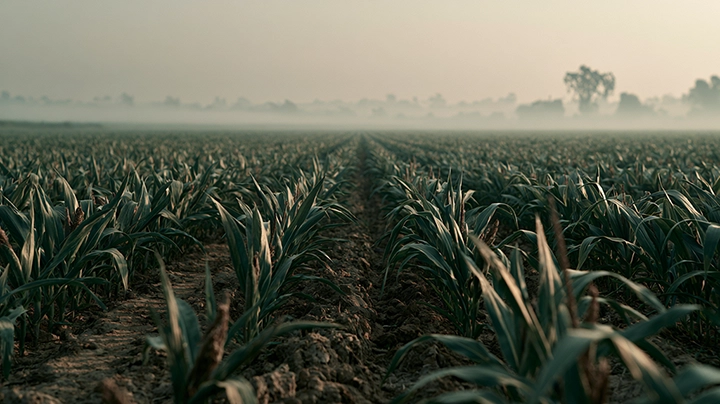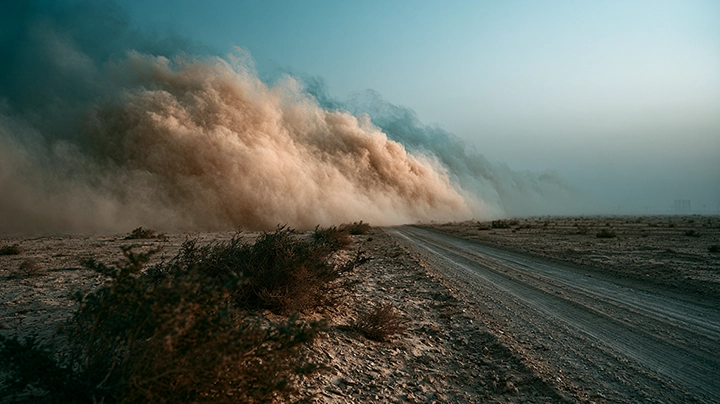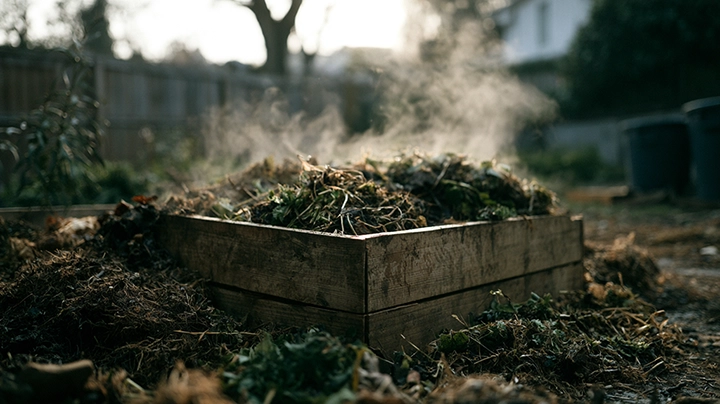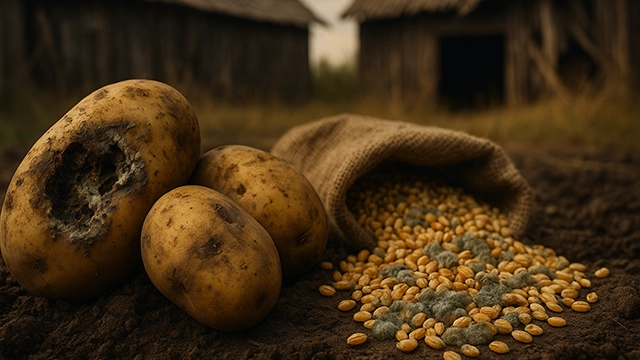

In the long history of human food, disasters often bear familiar names: locust plagues stripping fields bare, droughts cracking the soil, or floods drowning rice paddies. These disasters are violent and visible, their destruction impossible to ignore. Yet behind these dramatic forces lies another adversary, quieter but no less destructive—mold.
Mold does not roar or swarm. It spreads silently, carried by microscopic spores that drift through the air, landing on leaves, grains, and tubers, or hiding in the corners of warehouses. Long before people notice, mold has already begun to rot food, sometimes releasing invisible toxins. Again and again, history has shown that mold is not a trivial nuisance. It is a hidden hand behind food crises, capable of reshaping societies and economies.

Turkey X Disease: The Shocking Debut of Aflatoxin
In 1960, British poultry farmers were struck by a crisis that seemed inexplicable. Within weeks, 100,000 turkeys died, followed by ducks and pheasants. The cause was neither infection nor husbandry practices—it lay in the feed. Imported peanut meal, stored in damp conditions, had been invaded by Aspergillus flavus. The fungus produced a lethal metabolite that poisoned everything that consumed it.
This outbreak became known as Turkey X Disease. For the first time, scientists isolated and identified the culprit toxin, giving it a name that remains infamous today: aflatoxin. The disaster didn’t stop at science. It spurred the British government to enact strict regulations on feed safety, and soon after, other nations followed. International standards for fungal toxins in food and feed were born.

Alimentary Toxic Aleukia: When Mold Strikes Humans Directly
If Turkey X Disease served as a warning, the Soviet Union in the 1930s and 40s suffered a catastrophe. In the midst of war and harsh winters, desperate populations consumed grain that had been stored too long and gone moldy. These grains carried Fusarium fungi, which produced the deadly trichothecene toxin T-2.
The result was horrifying. Tens of thousands of people developed throat necrosis, collapsed immune systems, unstoppable bleeding, and many died. This outbreak became known as Alimentary Toxic Aleukia (ATA)—to this day one of the deadliest fungal toxin events in human history.

Its significance is sobering: mold was no longer a problem of spoiled harvests or dead animals. It was a direct executioner of human lives, revealing itself as a public health menace on par with any epidemic.
Mold’s Other Face
Toxins are only one of mold’s weapons. Mold can also devastate harvests by attacking crops directly. Instead of poisoning the food after storage, it rots plants in the field, leaving nothing to harvest. One form is a silent toxin; the other, an invisible blight. Together, they reveal mold’s dual role as both poisoner and destroyer. The next stories show how mold-triggered plant diseases have reshaped entire nations and industries.
The Irish Potato Famine: Mold That Shattered a Nation
In 19th-century Ireland, potatoes were life itself. Cheap, filling, and productive, potatoes formed the staple diet of millions. But reliance on a single, genetically uniform variety proved fatal. When Phytophthora infestans—the pathogen behind late blight—arrived, Ireland’s damp climate fueled its explosive spread.
Fields blackened almost overnight. Potatoes rotted in the ground, unfit for storage or consumption. Over the next few years, more than a million people starved, and millions more fled as migrants. The famine transformed Ireland and altered the demographic landscape of Europe and America.
Image: Skibbereen, Irish Potato Famine illustration by James Mahony (Public Domain, Wikimedia Commons)

Panama Disease: Mold’s Modern Battlefield
At the start of the 20th century, the banana variety “Gros Michel” reigned supreme in global markets. But Fusarium oxysporum f. sp. cubense, the fungus behind Panama disease, swept through plantations, wiping the variety from commerce. The industry survived only by switching to “Cavendish” bananas.
Yet mold did not relent. In recent decades, a new strain known as TR4 has begun to spread worldwide, attacking Cavendish bananas with equal ferocity. Because nearly all commercial bananas are genetically identical, this new outbreak threatens to repeat history.

Mold’s Shared Lessons
From poultry to people, from potatoes to bananas, the thread is unmistakable: mold has always been at the center of food crises. It produces toxins that kill, and it unleashes plant diseases that strip harvests bare. In every case, mold is not the background problem but the primary actor.
The lesson is stark. Mold is not an occasional inconvenience—it is the most persistent and underestimated force in food history. It lurks in fields, in storage, and on the dinner table, waiting for the slightest lapse in vigilance.
We cannot hope to eradicate mold. What we can do is learn to live with it—through careful monitoring, smarter storage, and developing resistant crop varieties. And here lies the final lesson: monocultures and uniform systems leave us exposed. Diversity in crops and food systems is not a luxury; it is humanity’s best shield against mold’s relentless advance.
Mold has been, and continues to be, a force of disruption in food history. Beyond recognizing its dangers, we must also strengthen biodiversity, because that is the best strategy we have to stand our ground against mold.
References
Academic / Official Sources
- WHO – Mycotoxins Fact Sheet
- PubMed – Alimentary Toxic Aleukia
- FAO – Panama disease report
- NCBI – Turkey X Disease
- Britannica – Irish Potato Famine
Key Takeaways
- Please login In the long history of human food, disasters often bear familiar names: locust plagues stripping fields bare, droughts cracking the soil, or floods drowning rice paddies.
- Yet behind these dramatic forces lies another adversary, quieter but no less destructive—mold.
- Long before people notice, mold has already begun to rot food, sometimes releasing invisible toxins.
- In 1960, British poultry farmers were struck by a crisis that seemed inexplicable.
- The cause was neither infection nor husbandry practices—it lay in the feed.
Frequently Asked Questions
What should you know about please login to bookmark?
Please login In the long history of human food, disasters often bear familiar names: locust plagues stripping fields bare, droughts cracking the soil, or floods drowning rice paddies. These disasters are violent and visible, their destruction impossible to ignore. Yet behind these dramatic forces li
What should you know about turkey X Disease: The Shocking Debut of Aflatoxin?
In 1960, British poultry farmers were struck by a crisis that seemed inexplicable. Within weeks, 100,000 turkeys died, followed by ducks and pheasants. The cause was neither infection nor husbandry practices—it lay in the feed. Imported peanut meal, stored in damp conditions, had been invaded by&nbs
What should you know about alimentary Toxic Aleukia: When Mold Strikes Humans Directly?
If Turkey X Disease served as a warning, the Soviet Union in the 1930s and 40s suffered a catastrophe. In the midst of war and harsh winters, desperate populations consumed grain that had been stored too long and gone moldy. These grains carried Fusarium fungi, which produced the deadly tr
What should you know about the Irish Potato Famine: Mold That Shattered a Nation?
In 19th-century Ireland, potatoes were life itself. Cheap, filling, and productive, potatoes formed the staple diet of millions. But reliance on a single, genetically uniform variety proved fatal. When Phytophthora infestans—the pathogen behind late blight—arrived, Ireland’s damp climate fueled
What should you know about panama Disease: Mold’s Modern Battlefield?
At the start of the 20th century, the banana variety “Gros Michel” reigned supreme in global markets. But Fusarium oxysporum f. sp. cubense, the fungus behind Panama disease, swept through plantations, wiping the variety from commerce. The industry survived only by switching to “Cavendish” bana