
Is Your Home at Risk? Here’s What You Need to Know
When floodwaters recede, most homeowners think the worst is over. But the real danger? It’s already growing inside your home. Mold doesn’t wait—it spreads within 48 hours, creeping into walls, carpets, and furniture before you even notice it. If left untreated, mold won’t just damage your home—it can wreak havoc on your health, too. By the time you smell it, it’s already winning.
Why Flooded Homes Are Mold’s Favorite Playground
According to the EPA, over 80% of homes exposed to flooding develop mold within two days.

Source: FEMA / Wikimedia Commons, Public Domain
Post-flood conditions provide mold with everything it needs to thrive—moisture, organic material, and stagnant air. Think of it like an all-you-can-eat buffet for mold, and your walls are on the menu.
Walls and floors soaked in floodwater retain moisture long after the water is gone, and with poor ventilation, this dampness lingers. Humidity levels remain high, keeping everything damp, even when no standing water is visible.
Floodwaters also introduce contaminants like bacteria, sewage, and mold spores, setting up the perfect storm for infestation. If mold gets into drywall, carpets, or insulation, removing it becomes costly and complicated. The longer these conditions persist, the harder mold is to remove—so acting fast is the only way to stop it.
What Kind of Mold Takes Over After a Flood?
Mold spores are everywhere, but some species thrive in post-flood conditions, posing risks to both health and property.
- Stachybotrys chartarum (Black Mold) gained attention during the early COVID-19 pandemic due to its potential to worsen respiratory complications. This mold is commonly found on wood and drywall, particularly in areas that remain damp for long periods.
- Aspergillus fumigatus is another prevalent indoor mold known to exacerbate allergy symptoms, thriving in humid environments like basements, insulation, and HVAC systems.
- Among urban areas, Cladosporium spp. is the most frequently encountered mold, appearing both indoors and outdoors. Its widespread presence makes it a common allergen, particularly for people with respiratory conditions.
- Another highly common species, Alternaria alternata, is often found in human living spaces, especially in humid indoor areas. This mold spreads rapidly, aggravates asthma, and causes persistent coughing, making it a significant concern for individuals with existing respiratory issues.

Source: Wikimedia Commons, CC BY-SA 3.0
How Mold Can Impact Your Health
Mold spores don’t just stay on surfaces—they become airborne, infiltrating your lungs, eyes, and immune system. Exposure can trigger a range of mild to severe health problems, especially in vulnerable individuals.
Short-Term Symptoms You Shouldn’t Ignore
- Persistent cough and wheezing – Breathing in mold spores can irritate your lungs.
- Nasal congestion and throat irritation – Mold exposure can mimic cold or allergy symptoms.
- Headaches, dizziness, and fatigue – Certain mold species release compounds that can affect cognitive function and energy levels.
Long-Term Health Risks of Mold Exposure
- Asthma risk increases by 30%, according to the CDC. Prolonged exposure can trigger or worsen respiratory diseases.
- Sick Building Syndrome (SBS) – Long-term mold exposure has been linked to fatigue, concentration problems, and immune suppression.
- Severe lung infections – This is especially dangerous for young children, elderly individuals, and people with weakened immune systems.
How to Get Rid of Mold (Before It Gets Worse)
DIY Mold Cleanup (Only for Small Areas!)
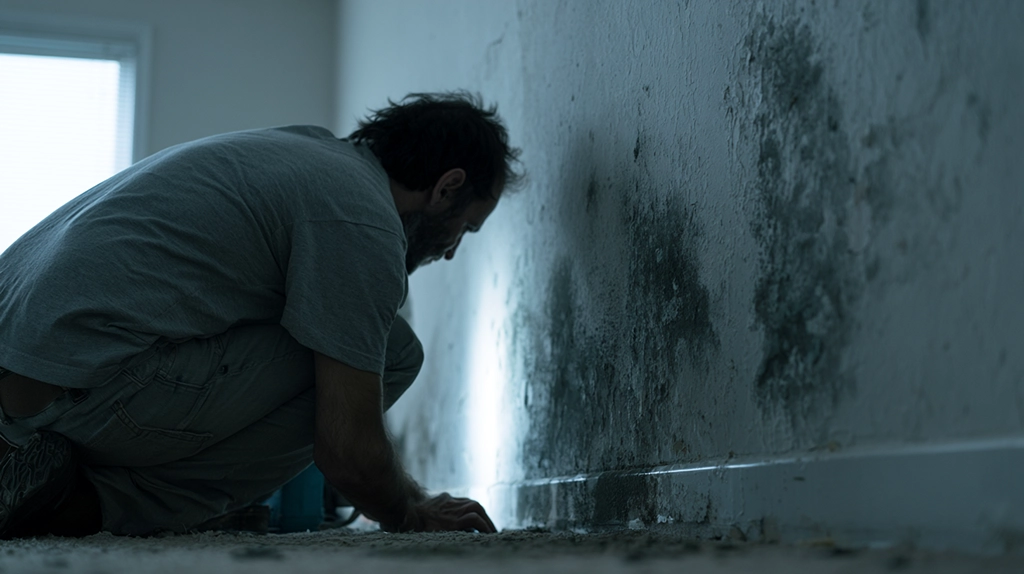
If mold covers less than 10 square feet, you may be able to handle it yourself. Here’s how:
- Wear protective gear – Use an N95 mask, gloves, and safety goggles—mold spores can cause serious irritation.
- Improve ventilation – Open windows and use fans and dehumidifiers to speed up drying.
- Scrub non-porous surfaces – Use soap and water instead of bleach (bleach doesn’t kill deep-rooted mold).
- Remove mold-infested materials – If your carpets, insulation, or drywall are moldy, replacement is the safest option.
When to Call a Professional
If mold covers more than 10 square feet, has spread into walls or HVAC systems, or keeps coming back, it’s time to bring in experts. Mold remediation professionals use HEPA vacuums, air scrubbers, and specialized treatments to ensure your home is fully decontaminated.
FEMA provides financial aid for mold remediation, but applying for funding can be a slow process. Don’t wait on paperwork—start drying and cleaning immediately.

Source: Wikimedia Commons, CC BY-SA 4.0
Lessons from Hurricane Ian—Why Waiting is a Bad Idea
In 2022, after Hurricane Ian, a Florida homeowner ignored mold growth for three weeks—by the time they called for help, repairs cost over $10,000. Mold had spread behind walls, under floors, and into ventilation systems, requiring a full reconstruction.

Source: Wikimedia Commons, CC BY-SA 4.0
Waiting is expensive—taking action now saves money and health.
Final Thoughts: Act Fast or Pay the Price
Mold isn’t just an ugly stain on your wall—it’s a health hazard and a financial disaster waiting to happen. The key to stopping it? Speed.
🚀 Takeaways:
- Mold spreads FAST—act within 48 hours.
- Dry out your home ASAP—use dehumidifiers and fans.
- DIY small mold problems, but call the pros for bigger infestations.
- Check FEMA aid, but don’t wait for paperwork—start remediation immediately.
References
- EPA – Mold
- CDC – Mold & Health
- CDC – Asthma
- NIH – Lung Infections & Mold
- Stachybotrys chartarum – Wikipedia
- Aspergillus fumigatus – Wikipedia
- Cladosporium – Wikipedia
- Alternaria alternata – Wikipedia
- Sick Building Syndrome – Wikipedia
- Hurricane Ian – Wikipedia
Image Sources:
- FEMA / Wikimedia Commons – Flooded Houses (Public Domain)
- Wikimedia Commons – Aspergillus fumigatus (CC BY-SA 3.0)
- Wikimedia Commons – Mold Remediation (CC BY-SA 4.0)
- Wikimedia Commons – Hurricane Ian Map (CC BY-SA 4.0)
Key Takeaways
- When floodwaters recede, most homeowners think the worst is over.
- If left untreated, mold won’t just damage your home—it can wreak havoc on your health, too.
- Post-flood conditions provide mold with everything it needs to thrive—moisture, organic material, and stagnant air.
- Humidity levels remain high, keeping everything damp, even when no standing water is visible.
- If mold gets into drywall, carpets, or insulation, removing it becomes costly and complicated.
Frequently Asked Questions
Is Your Home at Risk? Here’s What You Need to Know?
When floodwaters recede, most homeowners think the worst is over. But the real danger? It’s already growing inside your home. Mold doesn’t wait—it spreads within 48 hours, creeping into walls, carpets, and furniture before you even notice it. If left untreated, mold won’t just damage your home—it ca
Why Flooded Homes Are Mold’s Favorite Playground?
According to the EPA, over 80% of homes exposed to flooding develop mold within two days.
What Kind of Mold Takes Over After a Flood?
Mold spores are everywhere, but some species thrive in post-flood conditions, posing risks to both health and property.
How Mold Can Impact Your Health?
Mold spores don’t just stay on surfaces—they become airborne, infiltrating your lungs, eyes, and immune system. Exposure can trigger a range of mild to severe health problems, especially in vulnerable individuals.
What should you know about long-Term Health Risks of Mold Exposure?
If mold covers less than 10 square feet, you may be able to handle it yourself. Here’s how: