
Colors Beyond Chemicals
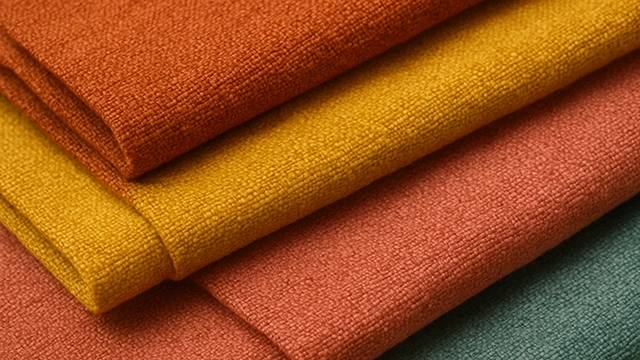
You might never have imagined that the bright colors on your clothes could have anything to do with mold. Walk past city rivers near textile factories, and you’ll often see streams tinted in unnatural shades—the result of chemical dyedischarge. These dyes burden the environment and pose health risks. But what if the colors of your clothes came from natural pigments produced by mold metabolism? Could that be safer and more sustainable?

Forgotten Traces in History
Mold pigments are not new inventions. As early as ancient East Asia, people used Monascus purpureus to ferment rice, producing red yeast rice, which carried a natural crimson hue. In medieval European monasteries, monks experimenting with food and brewing noted how fungi released colorful substances that stained fabrics and wood. These scattered records remind us that mold-based colors have long been part of human civilization—only later replaced by synthetic dyes prized for efficiency and vibrancy.

The Science of Fungal Colors
From a scientific perspective, the colors produced by fungi are not just accidental by-products but part of their secondary metabolites—compounds that are not directly involved in basic growth or reproduction, but instead help the organism compete, adapt, and defend itself.
There is remarkable chemical diversity among fungal pigments. Anthraquinones, for example, are a class of reddish to yellow compounds common in genera such as Aspergillus and Fusarium. Melanins, dark brown or black polymers, provide a tough protective barrier that enables fungi to survive under high radiation, desiccation, and even extreme temperatures; this is why melanin-rich fungi are often found in harsh environments, from deserts to Chernobyl. Polyketides and phenolic pigments contribute to a wide palette of greens, blues, and purples, each with distinct chemical stability and bioactivity profiles.

Beyond their ecological functions, these pigments also provide valuable tools for scientists. Under the microscope, the accumulation of colored metabolites in fungal spores or hyphae can serve as taxonomic markers. For instance, the presence of reddish anthraquinone granules or melanin layers in the spore wall helps mycologists identify fungal genera and species with precision.
This expanded scientific view shows that fungal colors are more than aesthetic curiosities—they are chemical signatures of survival, adaptation, and interaction with the environment. By harnessing these naturally evolved traits, researchers hope to unlock sustainable and multifunctional alternatives to synthetic dyes.
Environmental and Health Implications
The environmental stakes are clear. According to reports from environmental groups, over 20% of global industrial water pollution comes from textile dyeing. In countries like India and Bangladesh, rivers have literally changed color, harming ecosystems and human health. Mold pigments, by contrast, require less water during processing and break down more easily once released, reducing pollution.
What’s more, some fungal pigments display antimicrobial activity, giving fabrics an extra layer of natural protection. In other words, mold dyes may serve not only as colors but also as a kind of “health armor” for textiles.
Fashion Meets Science
On the frontier of design and science, mold-derived dyes are gaining attention. The Mediated Matter Group at MIT has experimented with fungal pigments in fiber design, creating textiles with a sustainable ethos. European design studios have trialed Penicillium and Monascus-based dyes to produce garments with an earthy, natural aesthetic. Indian research teams have reported success in dyeing wool with pigments from Talaromyces and Trichoderma, noting that the fabrics also exhibited antimicrobial properties.
Rethinking the Role of Mold
Perhaps in the near future, we will wear clothes “colored by mold.” These garments will symbolize not just style but also ecological responsibility. When we reconsider mold, it becomes clear that it is not merely an enemy lurking in the corners of our closets—it may also be an ally in building a sustainable fashion future.
Next time you touch a vividly dyed fabric, ask yourself: if that color came from mold, wouldn’t you feel even better about wearing it?
References
- Mapari SAS et al. (2010). Fungal pigments: potential coloring compounds for food and textile industries.Trends in Biotechnology, 28(6):300–307. DOI:10.1016/j.tibtech.2010.03.004
- Palonen H et al. (2022). Potential of fungi in sustainable textile coloration. Fungal Biology Reviews, 41:37–52. DOI:10.1016/j.fbr.2022.07.002
- WHO. Fungal Pathogens Priority List. WHO
Key Takeaways
- Please login Colors Beyond Chemicals You might never have imagined that the bright colors on your clothes could have anything to do with mold.
- These dyes burden the environment and pose health risks.
- As early as ancient East Asia, people used Monascus purpureus to ferment rice, producing red yeast rice, which carried a natural crimson hue.
- Beyond their ecological functions, these pigments also provide valuable tools for scientists.
- For instance, the presence of reddish anthraquinone granules or melanin layers in the spore wall helps mycologists identify fungal genera and species with precision.
Frequently Asked Questions
What should you know about please login to bookmark?
Please login Colors Beyond Chemicals You might never have imagined that the bright colors on your clothes could have anything to do with mold. Walk past city rivers near textile factories, and you’ll often see streams tinted in unnatural shades—the result of chemical dyedischarge. These dyes bu
What should you know about colors Beyond Chemicals?
You might never have imagined that the bright colors on your clothes could have anything to do with mold. Walk past city rivers near textile factories, and you’ll often see streams tinted in unnatural shades—the result of chemical dyedischarge. These dyes burden the environment and pose health
What should you know about forgotten Traces in History?
Mold pigments are not new inventions. As early as ancient East Asia, people used Monascus purpureus to ferment rice, producing red yeast rice, which carried a natural crimson hue. In medieval European monasteries, monks experimenting with food and brewing noted how fungi released colo
What should you know about the Science of Fungal Colors?
From a scientific perspective, the colors produced by fungi are not just accidental by-products but part of their secondary metabolites—compounds that are not directly involved in basic growth or reproduction, but instead help the organism compete, adapt, and defend itself.
What should you know about environmental and Health Implications?
The environmental stakes are clear. According to reports from environmental groups, over 20% of global industrial water pollution comes from textile dyeing. In countries like India and Bangladesh, rivers have literally changed color, harming ecosystems and human he