According to TIMES ENTERTAINMENT
I. The Necessity of Scrutiny in Healthy Eating
Dates (Phoenix dactylifera) are widely celebrated as a nutritional powerhouse — a natural sweetener packed with fiber, antioxidants, and essential minerals.
However, a viral warning issued by health experts, notably US-based physician Dr. Kunal Sood, highlights a critical, often-overlooked public health risk: the potential for dates to harbor hidden mold, fungal growth, and insect larvae beneath their seemingly intact skins.
This cautionary message is not meant to discourage consumption of this beneficial fruit, but to shift consumer behavior from casual eating to mindful inspection.
Experts emphasize that the unique characteristics of dates — high sugar, moisture, and a sticky interior — make them highly susceptible to microbial contamination, particularly when stored improperly or for extended periods.

Source: Wikimedia Commons, CC BY-SA 3.0
II. The Hidden Contaminants and Health Risks
The internal cavity of a date, especially in softer or older varieties, can become a perfect environment for spoilage, often invisible from the outside.
A. Fungal Contamination and Mycotoxins
The principal threat comes from fungal growth, which can develop inside the fruit even if the exterior appears flawless.
The Risk of Mycotoxins: Mold growing within the sticky interior of a date can produce mycotoxins — poisonous secondary metabolites capable of surviving heat and drying.
Health Outcomes: Ingestion of mycotoxin-contaminated dates can cause food poisoning symptoms such as nausea, diarrhea, and stomach cramps. For individuals with mold sensitivities or allergies, even trace exposure may trigger sneezing, rashes, or wheezing. In severe cases, high exposure can exacerbate asthma or cause flu-like symptoms.

Source: Wikimedia Commons, CC BY-SA 4.0
B. Insect Infestation
The high sugar content that makes dates attractive to humans also makes them a magnet for insects.
Larvae and Bugs: Dates can attract stored-product insects such as Carpophilus hemipterus (dried-fruit beetle) and Ephestia cautella (date moth), which feed and breed inside the fruit, leaving behind larvae or web-like material near the seed cavity.
Storage Issues: This risk increases when dates are stored without airtight protection or exposed to high humidity and heat, allowing insect eggs to hatch unnoticed.
III. The Expert-Recommended Protocol for Date Consumption
To reduce these hidden risks, health professionals now advocate a simple yet mandatory inspection protocol:
Slice Open Every Date
The most important step is to slice each date in half lengthwise before eating. This exposes the interior seed cavity — the most common contamination site.
Visual Inspection
Consumers should look for clear warning signs:
- Black spots or white threads inside the fruit.
- Powdery or web-like residue around the seed.
- Unusual discoloration or slimy texture.
Olfactory Check
Fresh dates emit a mild, caramel-like aroma. A sour or musty smell signals fungal growth or fermentation.
Exterior Check
Discard dates that appear overly sticky, show excessive sugar crystallization, or look unnaturally shriveled — all potential signs of internal spoilage.
IV. Storage and Sourcing: A Preventive Viewpoint
The underlying causes of internal spoilage often relate to post-harvest handling and storage, underscoring the need for consumer diligence after purchase.
Optimal Storage:
- Keep dates in airtight containers to minimize mold spore and insect exposure.
- Refrigerate for long-term storage to slow down microbial activity.
- Avoid warm, humid kitchens or pantries.
Mindful Sourcing:
- Purchase from reputable brands with certified drying and vacuum-sealing processes.
- Organic or pesticide-free options reduce chemical residues but do not prevent mold or insect intrusion.
The consensus among health experts is clear:
Dates are nutritionally valuable, but too vulnerable to hidden contamination to be eaten without inspection.
By making slicing and checking a routine step, consumers can enjoy the fruit’s rich nutrients while avoiding unseen biological hazards.

Source: Wikimedia Commons, CC BY-SA 4.0
References
- WHO (2023). Mycotoxins and Fungal Contamination in Foods.
- FAO (2022). Food Hygiene and Storage Recommendations for Dried Fruits.
- PubMed (2021). Antioxidant and Nutrient Content of Dates.
According to TIMES ENTERTAINMENT
Key Takeaways
- Doctors and food safety authorities are warning consumers to physically slice open fresh dates before eating them, as mold contamination inside the date cavity can be present without any external visible indication.
- Dates have a longitudinal seed cavity that, if the date has been damaged or the skin cracked, can trap moisture and organic material—creating an ideal enclosed environment for mold growth invisible from the outside.
- Fumonisin, aflatoxin, and ochratoxin have all been detected in date samples from multiple countries, though contamination rates vary significantly by production region, variety, and storage conditions.
- The high sugar content of properly dried dates (65–80%) normally prevents mold growth by lowering water activity, but semi-dried or damaged dates may have insufficient sugar concentration to be protective.
- Dates sold in warm, humid markets without refrigeration are at higher risk than vacuum-packed or refrigerated dates from controlled supply chains.
Frequently Asked Questions
Can dates have mold on the inside without looking moldy outside?
Yes—internal mold contamination without external visual indication is the specific concern prompting the health advisory. Dates have a natural longitudinal cavity where the seed was removed. If the date’s skin is damaged, has small cracks, or if the date is semi-dried rather than fully dried, moisture can infiltrate this cavity and create an enclosed micro-environment with higher local moisture than the outer surface. Mold grows from spores on organic material; if spores were present at packing (from field contamination or handling) they can germinate within the cavity without affecting the outer skin appearance. The advice to slice dates open allows visual inspection of the interior before consumption.
Which molds most commonly contaminate dates?
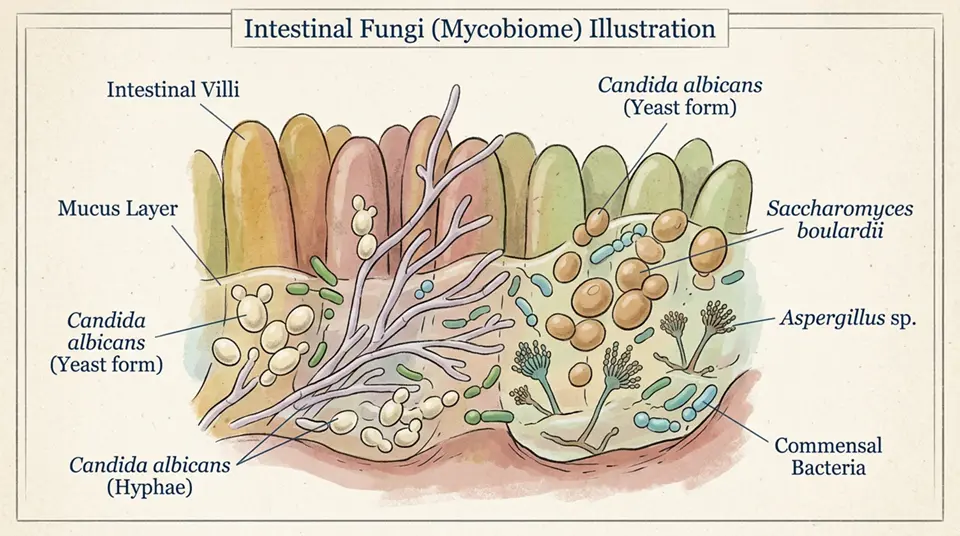
Date contamination mycological surveys from the Middle East, North Africa, and Gulf countries (the major production regions) consistently identify Aspergillus species as the primary concern—particularly A. niger (black mold), A. flavus and A. parasiticus (aflatoxin producers), and A. carbonarius (ochratoxin producer). Penicillium species are also found, particularly in stored and processed dates. Some of these species produce mycotoxins of health concern: aflatoxins B1 and B2 (Group 1 human carcinogens); ochratoxin A (possible human carcinogen affecting kidneys); and fumonisins in some surveys. The contamination rate and toxin levels vary significantly between survey studies and production regions, with some studies finding very low prevalence and others finding contamination rates of 20–40% of samples.
Are Medjool dates or other premium varieties safer from mold?
Premium date varieties including Medjool, Ajwa, Sukkari, and others are generally processed through more controlled post-harvest handling systems with better cooling chain management than commodity date grades, which likely reduces (but does not eliminate) contamination risk. Key factors that reduce date mold risk, regardless of variety, include: rapid post-harvest drying to below 25% moisture content; cold storage (below 5°C) during distribution; vacuum or modified atmosphere packaging; and avoidance of long-term storage at ambient temperatures in warm, humid conditions. Organic certification does not specifically reduce mold risk (organic cultivation does not eliminate environmental Aspergillus exposure). Purchasing dates from refrigerated sections of grocery stores and reputable suppliers with documented quality testing is the best practical risk reduction strategy.
Should I be concerned about eating dates I’ve already bought?
For most people eating typical quantities of commercially produced dates (1–10 dates per day), the mold risk is low, particularly for dates purchased from reputable suppliers with proper cold chain. The food safety advice to slice dates open is a precautionary measure for high-risk consumers (immunocompromised individuals, pregnant women, infants) and for dates purchased from informal markets, bulk bins, or warm ambient storage conditions. For standard commercially packaged refrigerated dates without visible damage, the risk of encountering mold levels that pose acute health risk to healthy adults is small. The mycotoxin concern (aflatoxin) is more about chronic low-level exposure over many years than acute exposure from occasional consumption—relevant to people in regions where dates are a dietary staple consumed daily.
What are the best conditions for storing dates at home?
Proper home storage significantly reduces the risk of mold development in purchased dates. Key principles: refrigerate at 4°C or below, where mold growth is drastically slowed (most storage mold species have minimum growth temperatures well above 4°C); store in airtight containers to prevent moisture absorption from ambient air; do not mix fresh-purchased dates with older stored dates (contamination can transfer); inspect periodically—remove any dates showing visible white, grey, or dark powdery growth; consume within recommended use-by dates; do not store at room temperature for more than 1–2 weeks in warm, humid climates. Dates can be frozen for up to 12 months without quality loss, providing long-term storage without mold risk—freeze in portioned airtight bags for convenience.