
According to thesenior
Seasonal Change Brings Hidden Risks
As mushroom season begins, health authorities are issuing renewed warnings about the dangers associated with wild fungi. A report by The Senior highlights growing concerns over accidental poisonings linked to toxic mushrooms, particularly as environmental conditions encourage their rapid growth.
Warmer temperatures combined with increased rainfall create ideal conditions for mushrooms to emerge in gardens, parks, and natural landscapes. While many species are harmless, the presence of highly toxic varieties poses a serious public health risk, especially for individuals unfamiliar with fungal identification.

The Danger of Misidentification
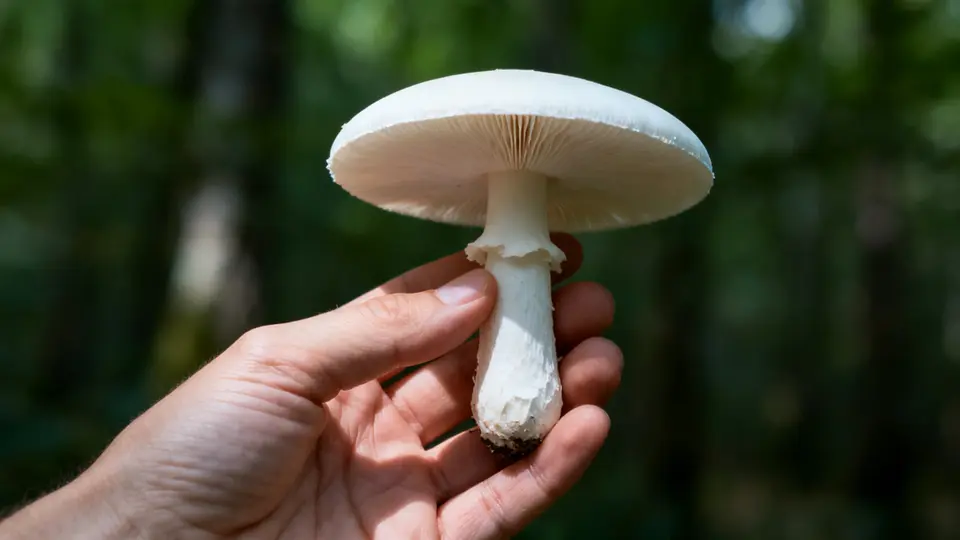
One of the primary risks during mushroom season is misidentification. Toxic mushrooms often resemble edible varieties, making it difficult for untrained individuals to distinguish between safe and dangerous species.
Health experts emphasize that visual similarity can be misleading. Even experienced foragers may struggle to identify certain species accurately without detailed knowledge. As a result, accidental ingestion remains a persistent issue each year.
Authorities strongly advise against consuming wild mushrooms unless they have been positively identified by qualified experts. This recommendation reflects the high stakes involved, as even small amounts of certain toxic fungi can lead to severe illness or death.
Highly Toxic Species and Their Effects
Among the most dangerous mushrooms are those containing potent toxins that affect vital organs. Some species can cause liver failure, kidney damage, or neurological symptoms within hours or days of ingestion.
The severity of symptoms varies depending on the type of toxin and the amount consumed. Early signs may include nausea, vomiting, and abdominal pain, which can escalate into life-threatening complications if not treated promptly.
Medical professionals stress the importance of seeking immediate medical attention if mushroom poisoning is suspected. Early intervention significantly improves outcomes, particularly in cases involving highly toxic species.

Increased Exposure in Everyday Environments
Unlike hazards confined to remote wilderness areas, toxic mushrooms often appear in everyday settings. Residential lawns, school grounds, and public parks can all become sites where hazardous fungi emerge.
Children and pets are especially vulnerable, as they may accidentally ingest mushrooms while playing outdoors. This increases the need for vigilance among caregivers during peak growing seasons.
Regular inspection of outdoor spaces and prompt removal of visible mushrooms can help reduce the risk of accidental exposure.

Public Awareness and Preventive Measures
Health authorities are focusing on raising public awareness as a key strategy in preventing poisoning incidents. Educational campaigns aim to inform communities about the risks associated with wild mushrooms and the importance of avoiding consumption without proper identification.
Simple preventive measures—such as removing mushrooms from accessible areas and supervising children and pets—can significantly reduce exposure risks. However, experts caution that eliminating mushrooms entirely is not feasible due to the widespread presence of fungal spores in the environment.
The Role of Environmental Conditions
Seasonal weather patterns play a critical role in fungal growth. Periods of rain followed by mild temperatures create optimal conditions for mushrooms to develop. As climate variability increases, these patterns may become more pronounced, potentially extending the duration and intensity of mushroom seasons.
Understanding these environmental triggers can help communities anticipate periods of higher risk and take appropriate precautions.
Medical Challenges in Treating Poisoning
Treating mushroom poisoning presents unique challenges. The diversity of fungal toxins means that symptoms and treatment approaches can vary widely. In some cases, specific antidotes are limited or unavailable, requiring supportive care and intensive medical intervention.
Delayed recognition of poisoning can complicate treatment, as symptoms may initially appear mild before progressing rapidly. This underscores the importance of early diagnosis and prompt medical response.
A Broader Perspective on Fungi
While the focus of the warning is on toxic species, experts also note that fungi play essential roles in ecosystems. They contribute to nutrient cycling, support plant growth, and maintain ecological balance.
The challenge lies in distinguishing between beneficial and harmful fungi in practical settings. Public safety measures must account for this complexity, balancing awareness with an understanding of fungi’s ecological importance.
A Seasonal Reminder for Caution
The beginning of mushroom season serves as a reminder of the hidden risks present in natural environments. What may appear as an ordinary part of the landscape can, in certain cases, pose significant health threats.
By combining awareness, caution, and timely action, communities can reduce the incidence of mushroom-related poisoning while continuing to coexist with the natural processes that produce these organisms.
References
World Health Organization (WHO)
According to thesenior
Key Takeaways
- As mushroom season begins, health authorities are issuing renewed warnings about the dangers associated with wild fungi.
- Warmer temperatures combined with increased rainfall create ideal conditions for mushrooms to emerge in gardens, parks, and natural landscapes.
- Toxic mushrooms often resemble edible varieties, making it difficult for untrained individuals to distinguish between safe and dangerous species.
- Even experienced foragers may struggle to identify certain species accurately without detailed knowledge.
- This recommendation reflects the high stakes involved, as even small amounts of certain toxic fungi can lead to severe illness or death.
Frequently Asked Questions
What should you know about the Danger of Misidentification?
One of the primary risks during mushroom season is misidentification. Toxic mushrooms often resemble edible varieties, making it difficult for untrained individuals to distinguish between safe and dangerous species.
What should you know about highly Toxic Species and Their Effects?
Among the most dangerous mushrooms are those containing potent toxins that affect vital organs. Some species can cause liver failure, kidney damage, or neurological symptoms within hours or days of ingestion.
What should you know about increased Exposure in Everyday Environments?
Unlike hazards confined to remote wilderness areas, toxic mushrooms often appear in everyday settings. Residential lawns, school grounds, and public parks can all become sites where hazardous fungi emerge.
What should you know about public Awareness and Preventive Measures?
Health authorities are focusing on raising public awareness as a key strategy in preventing poisoning incidents. Educational campaigns aim to inform communities about the risks associated with wild mushrooms and the importance of avoiding consumption without proper identification.
What should you know about the Role of Environmental Conditions?
Seasonal weather patterns play a critical role in fungal growth. Periods of rain followed by mild temperatures create optimal conditions for mushrooms to develop. As climate variability increases, these patterns may become more pronounced, potentially extending the duration and intensity of mushroom