A Startling News Story
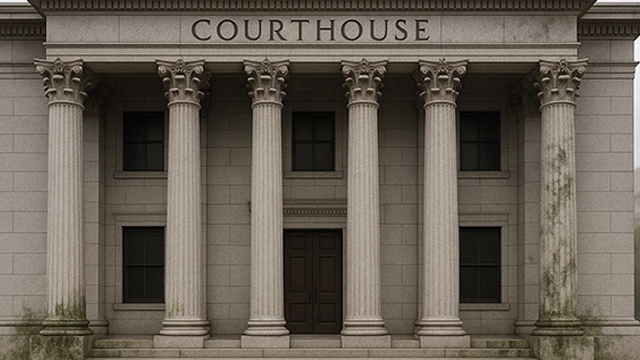
In mid-August, Harris County courthouses in Houston, Texas, made headlines when dozens of public restrooms were forced to close due to widespread mold. The county had to spend more than $750,000 on remediation, and at least one judge was diagnosed with mold-related allergies. A courthouse is supposed to symbolize order and justice, yet it was paralyzed by an invisible invader. This raises an urgent question: why is mold such a persistent problem in public buildings?
How Mold Thrives in Buildings
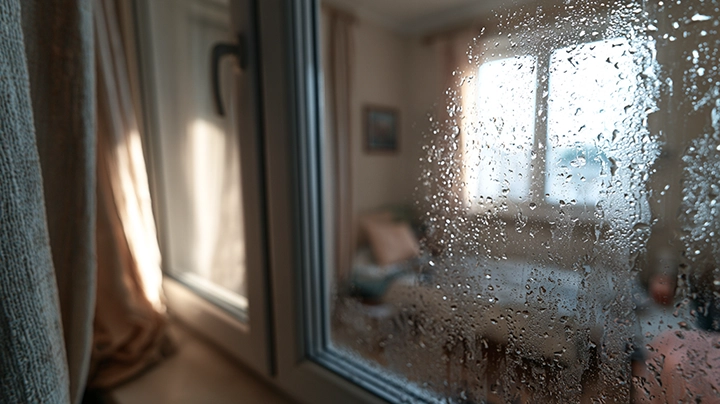
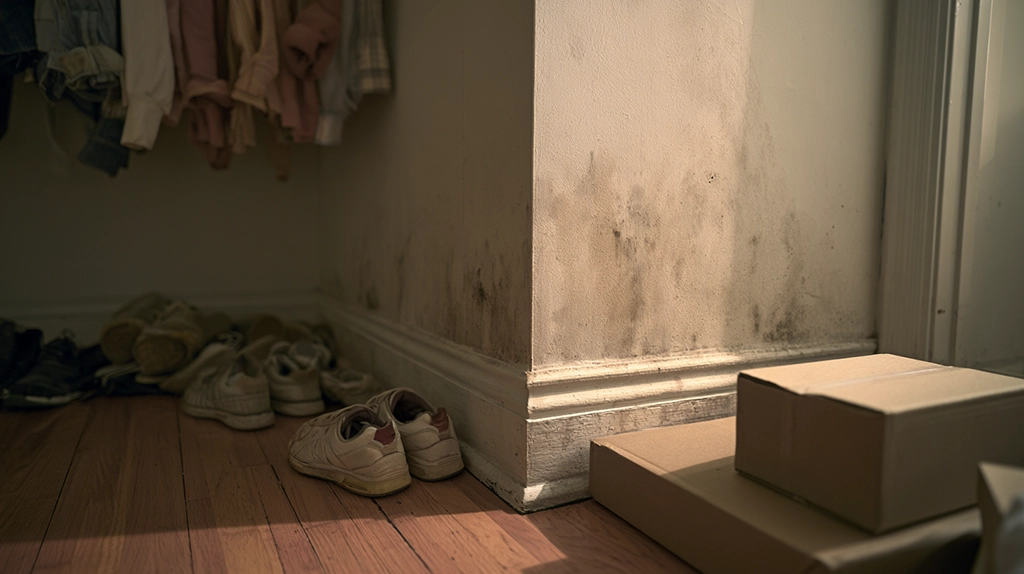
Mold does not need exotic conditions to grow—just three things: water, nutrients, and the right temperature. Unfortunately, public buildings often provide all three. Flooding or hurricane damage can leave behind moisture. Leaky underground pipes or poorly drained HVAC systems add to the problem. Common construction materials like drywall, wood, and paperboard supply nutrients for fungal growth. Aspergillus versicolor often colonizes damp walls, Stachybotrys chartarum (black mold) thrives on soaked drywall, and Chaetomium globosum grows on wet wood and paper. In short, the building itself becomes a ready-made habitat for mold.

The Health Toll: More Than an Annoyance
The danger with mold in public spaces is not just its presence on walls. Molds release millions of spores into the air, which circulate through HVAC systems into courtrooms, offices, and corridors. For many people, this results in mild symptoms like nasal congestion or itchy eyes. But for those with asthma or allergies, the impact can be severe, leading to persistent coughing or breathing difficulties. Some species also produce mycotoxins that pose additional risks, particularly for individuals with weakened immune systems. The Harris County case was a clear example: judges and staff experienced direct health effects.
Not Just Courthouses: Schools Under Attack
Courthouses are not the only victims. In August, the Dundee Community Schools in Michigan had to delay the start of the academic year because multiple classrooms were contaminated with mold. Around the same time, North Penn School District in Pennsylvania discovered mold in modular classrooms and rushed to complete cleanup before students returned. These incidents show a broader reality: whether in schools or courthouses, mold can quickly disrupt essential public services.

Why Mold Is So Hard to Eliminate
Dealing with mold in homes is difficult enough, but public buildings pose an even greater challenge. Their size and complexity mean remediation often requires shutting down large areas, disrupting critical services. The cost burden sparks debates: should taxpayers, government agencies, or contractors pay? Worse, mold is not a one-time problem. Cleaning visible growth does little if underlying issues—like water intrusion or poor ventilation—are not addressed. Long-term solutions require replacing contaminated materials, repairing waterproofing, and conducting ongoing monitoring.
What Science and Policy Tell Us
International health authorities have long warned of the risks. The World Health Organization (WHO) concluded that dampness and mold exposure are consistently linked to respiratory symptoms and worsening asthma. The Centers for Disease Control and Prevention (CDC) emphasized that mold outbreaks in healthcare facilities, while rare, can cause severe illness and even death. These findings underline a crucial point: mold in public buildings is not just a maintenance issue—it is a public health concern.

Toward Prevention, Not Reaction
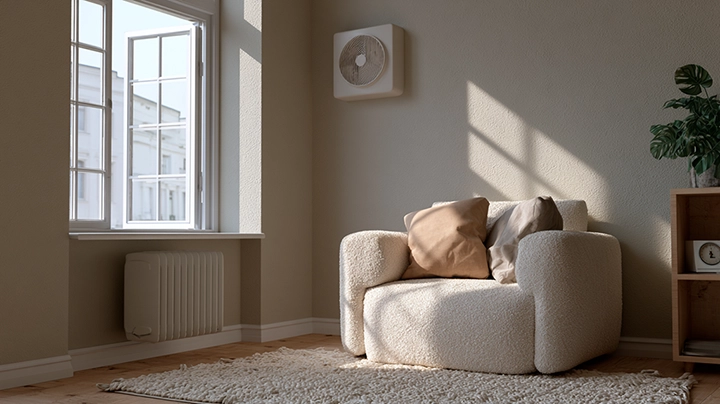
Technology and policy offer practical ways forward. On the design side, using mold-resistant materials and improving drainage and ventilation can make buildings less vulnerable. On the monitoring side, humidity and spore sensors can provide early warnings. On the management side, mold risk should be built into standard facility protocols, rather than waiting for visible outbreaks or complaints to trigger action.
A Global Reminder
The courthouse and school cases in the United States are reminders of a larger truth: mold is not just America’s problem. Regions like Taiwan and other humid climates face the same risks, especially with typhoons, monsoon rains, and aging infrastructure. Mold can paralyze a courthouse, delay school openings, or even compromise hospitals and transit stations. The next time you notice a musty smell or water stains on a wall, don’t dismiss them as minor annoyances. They may be early warnings of a public health hazard already growing in your environment.

References
Academic
- Mendell, M. J. et al. (2011). Respiratory and allergic health effects of dampness and mold in schools. Environmental Health Perspectives. Full text
- Fisk, W. J., Eliseeva, E., & Mendell, M. J. (2010). Association of residential dampness and mold with respiratory tract infections and bronchitis. Environmental Health. Full text
Official
Key Takeaways
- Mold infestations in courthouse buildings and other public facilities create occupational health risks for employees working in them and potential due process concerns for defendants and litigants required to appear.
- Public buildings often have deferred maintenance backlogs and complex institutional ownership structures that slow mold remediation responses compared to private commercial properties.
- Indoor air quality problems in courthouses have resulted in worker’s compensation claims, building closures, and litigation by government employees, demonstrating the legal and financial cost of inadequate building maintenance.
- Heritage and historic courthouse buildings present particular mold remediation challenges: structural interventions must comply with historic preservation requirements that may limit standard remediation approaches.
- The Americans with Disabilities Act (ADA) and general duty provisions of OSHA’s General Industry Standard impose legal obligations on public employers (including courts) to maintain safe working environments.
Frequently Asked Questions
What causes mold in courthouses and other public buildings?
Courthouse and public building mold problems typically arise from the same root causes as residential mold—moisture sources combined with inadequate ventilation—but at institutional scale and complexity. Common causes include: ageing HVAC systems with undersized or poorly maintained air handling units that fail to control humidity; water intrusion through flat or low-slope roofs (common in mid-20th century institutional construction); foundation moisture in below-grade spaces used for archives, evidence storage, or mechanical rooms; condensation on thermal bridges in older curtain wall facades; and flooding from plumbing failures in multi-story buildings. Deferred maintenance due to budget cycles and procurement constraints allows small problems to develop into serious infestations.
Do courthouse mold problems affect court proceedings?
Significant mold infestations have resulted in courthouse closures and temporary relocation of court proceedings, creating scheduling disruptions, increased costs, and potential due process concerns. Individuals in pre-trial detention who must appear for hearings, or defendants with constitutional rights to timely trial, face complications when courthouse closures interrupt proceedings. Court staff and judges who develop health conditions related to indoor air quality may be unable to fulfil their duties. There is also the question of physical evidence and court records stored in mold-affected areas, which can be damaged beyond recovery. Notable courthouse mold cases have occurred in states including Tennessee, Florida, Louisiana, and California.
What are the OSHA obligations for government employers regarding indoor air quality?
OSHA’s General Duty Clause (Section 5(a)(1) of the Occupational Safety and Health Act) requires employers to provide workplaces free from recognised hazards likely to cause death or serious physical harm, even in the absence of a specific standard for indoor air quality. While OSHA has no specific regulatory standard for mold, court interpretations have held that significant mold exposures in workplaces constitute General Duty violations where: the employer was aware of (or should have been aware of) the hazard; the hazard posed a significant risk; and feasible means of abatement existed. State government employees’ coverage under OSHA varies by state—some states have their own OSHA plans covering state and local government workers.
How should a courthouse or public building approach mold discovery?
Recommended institutional responses to discovered mold include: immediately isolating the affected area from occupied spaces; retaining a qualified industrial hygienist to assess extent and source; commissioning air sampling to quantify occupant exposure risk; notifying relevant government health and safety bodies; developing a remediation plan that addresses both visible mold and underlying moisture sources; implementing interim controls (negative air pressure, HEPA filtration) to protect remaining occupants during remediation; communicating transparently with employees and the public about the situation; and conducting post-remediation clearance testing before reoccupation. Attempting to remediate in-house without qualified oversight often results in inadequate work and potential legal liability.
Are historic courthouse buildings harder to remediate for mold?
Yes. Historic courthouse buildings (many significant courthouses are on the National Register of Historic Places or listed as state historic landmarks) present genuine remediation challenges. Standard interventions such as external wall insulation, window replacement, or HVAC duct replacement may require Section 106 review under the National Historic Preservation Act if federal funds are involved, or state equivalent review. The need to preserve historic fabric can limit the physical interventions available to solve moisture problems—for example, installing continuous mechanical ventilation in a building with decorative plaster ceilings requires careful design to avoid damage. Specialist preservation engineers and moisture consultants with historic building experience should be engaged for such projects.