According to DAILY MAIL
Hospitals have long relied on antifungal medications. Candida auris, a microscopic yeast first detected in 2009, has quickly evolved from a medical curiosity to one of the World Health Organization’s (WHO) most urgent fungal threats. Its rise is both a cautionary tale and a stark reflection of our vulnerability in an era of microbial resistance.
The most recent alarm comes from the United Arab Emirates, where doctors at Saqr Hospital in Ras Al-Khaimah battled a rare and dangerous case: Candida auris infecting a patient’s brain. The patient, a 34-year-old man, had survived a horrific car crash that left him with multiple brain bleeds, severe scalp injuries, and a long road of surgical interventions. But nearly three months into his hospital stay, the battle took a sinister turn when tests revealed that this resilient fungus had found its way into his system.
The Silent Infiltrator
Candida auris is unlike many fungal pathogens in that it can thrive unnoticed on human skin, medical equipment, and hospital surfaces for weeks. This stealth gives it a distinct advantage in healthcare environments, where vulnerable patients—often with compromised immune systems—are exposed to invasive procedures. It doesn’t need to make its host visibly sick immediately; it can simply wait, biding its time, until an opportunity arises to enter the bloodstream, brain, lungs, or other organs.
In the UAE case, the fungus was detected during tests following a surgery to remove excess fluid from the patient’s brain. This was not an incidental finding; C. auris had exploited the patient’s prolonged hospitalisation, his weakened state, and the invasive interventions he had undergone. It had moved beyond the surface, invading deeper tissues where its eradication would be far from straightforward.
Treatment Under Siege
One of the most troubling aspects of Candida auris is its resistance to multiple classes of antifungal medications. In some cases, it is resistant to all three major antifungal classes—azoles, echinocandins, and polyenes—leaving clinicians with virtually no treatment options.
The doctors in Ras Al-Khaimah took an aggressive approach: three weeks of intravenous antifungal injections, followed by two additional IV drugs for 15 days, and then an 11-day course of antifungal tablets. Remarkably, this regimen succeeded. The patient’s blood tests eventually returned to normal, and he was discharged after seven long months.
But his recovery underscores an uncomfortable truth: the resources, time, and clinical attention devoted to this one case are luxuries many hospitals around the world cannot afford. In less well-equipped facilities, or in regions where antifungal resistance is already entrenched, the outcome could have been tragically different.

Source: Wikimedia Commons, CC BY-SA 4.0
A Global Spread
Since its discovery in the ear canal of a Japanese patient in 2009, Candida auris has spread to more than 40 countries across six continents. Its success as a pathogen lies in its adaptability—it can survive on both dry and moist surfaces, withstand many disinfectants, and persist through standard hospital cleaning routines.
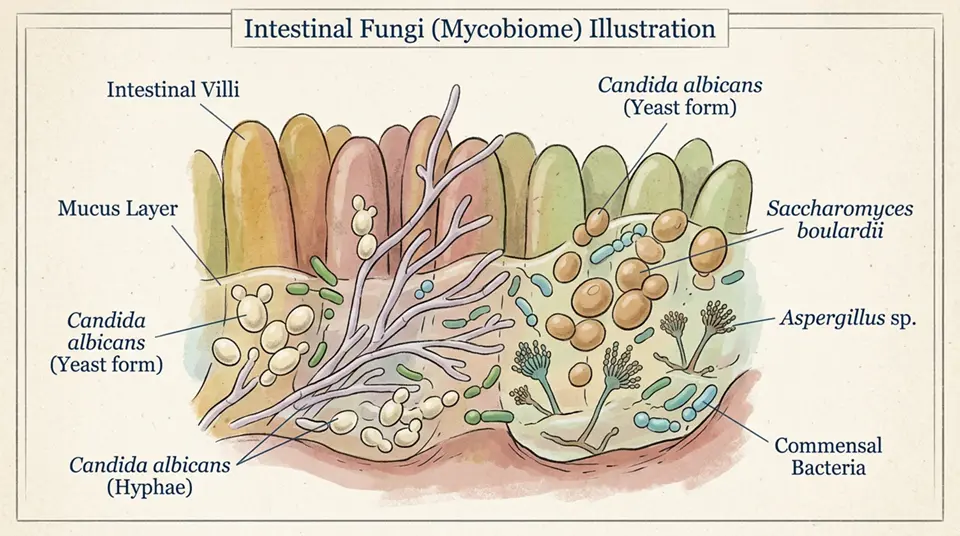
It is this persistence that has earned it a place on the WHO’s list of the most dangerous fungal pathogens, alongside Aspergillus fumigatus, Candida albicans, and Cryptococcus neoformans.
In the UK, where Candida auris is now a notifiable disease, all cases must be reported to public health authorities. The goal is rapid detection, isolation, and containment before the fungus can establish itself in a healthcare setting. Other countries are adopting similar protocols, but enforcement and resources vary dramatically. In many parts of the developing world, surveillance is minimal, and antifungal drugs are sold over the counter without prescription, creating perfect conditions for the emergence of resistant strains.

Source: Wikimedia Commons, CC BY-SA 4.0
Why Resistance is Rising
The overuse and misuse of antifungal agents in both medicine and agriculture are fuelling this resistance. In healthcare, prolonged or inappropriate use of antifungal prophylaxis in vulnerable patients can encourage resistant strains to flourish. In agriculture, antifungal compounds—often chemically similar to those used in medicine—are sprayed liberally on crops to prevent fungal diseases.
This widespread exposure creates selective pressure on environmental fungi, giving rise to strains that can survive these chemical assaults and potentially infect humans.
The parallels with antibiotic resistance are unmistakable. Just as overuse of antibiotics has given rise to multidrug-resistant bacteria, indiscriminate antifungal use is now selecting for pathogens that can withstand our pharmaceutical arsenal. The difference is that fungal diseases, historically less common and less understood, have not received the same level of research funding or public health attention.
The Human Toll
For those infected with Candida auris, the prognosis can be grim. Mortality rates hover around 30%, though exact figures are difficult to establish because patients often have other serious illnesses.
Those at greatest risk include people with weakened immune systems, patients on ventilators or catheters, and those who have been in hospital—especially intensive care—for extended periods.
In the UAE case, the infection was caught relatively early, and the hospital had both the diagnostic capabilities and the antifungal drugs needed to treat it. But in settings where diagnostic delays are common, or where only a limited range of antifungal drugs is available, C. auris can spread unchecked. Outbreaks in such contexts can be devastating, leading to multiple deaths and forcing hospitals to close wards for deep cleaning.

Source: Wikimedia Commons, CC BY-SA 4.0
Infection Control Challenges
Containing Candida auris requires rigorous infection control protocols: meticulous hand hygiene, contact precautions, thorough environmental cleaning with effective agents, and sometimes the temporary closure of affected wards. Yet even with these measures, the fungus can prove difficult to eradicate from healthcare environments.
Its ability to survive on surfaces and equipment—bed rails, IV poles, thermometers—for extended periods means that lapses in cleaning or hand hygiene can lead to new transmissions.
A Wake-Up Call for Fungal Threats
Candida auris’s emergence is part of a broader trend: fungal diseases are on the rise globally. Climate change, global travel, and the growing population of immunocompromised individuals are all contributing factors. Warmer temperatures may be allowing some environmental fungi to adapt to the human body’s heat, expanding their pathogenic potential.
Meanwhile, modern medicine’s reliance on invasive procedures and immunosuppressive drugs creates more opportunities for fungi to bypass our natural defences.
The WHO’s inclusion of C. auris on its list of priority pathogens is a signal that fungal threats must be taken as seriously as bacterial or viral ones. Yet fungal research receives a fraction of the funding dedicated to other infectious diseases. Without sustained investment in diagnostics, surveillance, and new drug development, the medical community will remain one step behind.
A Narrow Window of Opportunity
The successful treatment of the UAE patient offers hope—but also a warning. It shows that with aggressive, tailored therapy and well-resourced healthcare, even severe Candida auris infections can be beaten. But it also highlights how narrow the margin for success can be.
Delayed diagnosis, limited drug availability, or lack of infection control infrastructure can all tip the balance toward failure.
For now, Candida auris remains primarily a hospital-acquired infection, but its ability to persist on human skin and in the environment raises the possibility of wider community spread. If it becomes entrenched outside healthcare settings, controlling it will be exponentially more difficult.
Global Action Needed
Containing Candida auris will require coordinated global action:
- Enhanced Surveillance: Early detection systems must be implemented worldwide, with rapid reporting and genomic sequencing to track the spread and evolution of resistant strains.
- Strict Infection Control: Hospitals must invest in effective cleaning protocols, staff training, and patient isolation measures.
- Antifungal Stewardship: Both medical and agricultural antifungal use must be tightly regulated to slow the emergence of resistance.
- Research Investment: Funding is urgently needed for new antifungal drugs, vaccines, and rapid diagnostics tailored to low-resource settings.
The fight against Candida auris is emblematic of the larger challenge of antimicrobial resistance. It will test not just our scientific ingenuity, but also our political will and global solidarity.
References
WHO – Priority fungal pathogens list
WHO – Antimicrobial resistance
According to DAILY MAIL
Key Takeaways
- Candida auris has been declared a global health threat by the WHO and CDC, with case counts rising in hospitals across North America, Europe, and Asia at accelerating rates.
- C. auris can remain viable on hospital surfaces for weeks and resists many standard disinfectants, making environmental decontamination one of the most challenging aspects of outbreak control.
- The pathogen is frequently misidentified by standard laboratory methods, requiring specific molecular testing (PCR, MALDI-TOF with updated reference databases) for accurate identification.
- Echinocandin antifungals remain the first-line treatment, but pan-resistant strains (resistant to all three antifungal classes) are emerging in multiple countries including India, UK, and the US.
- Surveillance gaps remain significant: many countries lack the laboratory capacity to detect C. auris, potentially leading to widespread underreporting of cases and outbreaks.
Frequently Asked Questions
Why is Candida auris considered a global health emergency?
The CDC classified Candida auris as an ‘urgent threat’—its highest threat level—in 2019. Several characteristics justify this designation: it is simultaneously multidrug-resistant (often resistant to one or more antifungal classes), hospital-environment-persistent (surviving on surfaces for weeks), frequently misidentified (leading to delayed treatment), and associated with high mortality (30–60% in invasive infections). Unlike most opportunistic pathogens that emerge primarily in severely immunocompromised patients, C. auris has caused outbreaks in multiple healthcare contexts including general ICUs, long-term care facilities, and neonatal units. Its simultaneous emergence on four continents without a clear epidemiological link has made it exceptionally difficult to contain through traditional outbreak investigation approaches.
What makes Candida auris so difficult to eradicate from hospital environments?
C. auris has several biological properties that make hospital environmental persistence and decontamination particularly challenging. It tolerates desiccation far better than most Candida species—capable of surviving on dry surfaces for weeks rather than hours. It forms biofilms on medical devices, bed rails, and other surfaces that substantially increase resistance to cleaning agents. Standard hospital disinfectants based on quaternary ammonium compounds (QACs), which are effective against most healthcare-associated pathogens, have limited activity against C. auris—chlorine-based disinfectants (bleach), phenolics, or hydrogen peroxide vapour are required for reliable environmental decontamination. The need for more aggressive decontamination chemicals increases material costs and staff workload compared to standard infection control.
How should Candida auris be identified in hospital laboratories?
Standard clinical laboratory biochemical identification systems (VITEK-2, API profiles) were developed without reference strains for C. auris in their databases and frequently misidentify it as C. haemulonii, C. sake, Saccharomyces cerevisiae, or other species. Accurate identification requires: matrix-assisted laser desorption/ionisation time-of-flight (MALDI-TOF) mass spectrometry with an updated reference database that includes C. auris—older MALDI-TOF databases (before 2015) may not include it; or molecular identification using sequencing of the ITS region or PCR with C. auris-specific primers; or specific commercially available lateral flow immunoassay tests. All clinical microbiology laboratories should update their MALDI-TOF databases and have protocols for C. auris identification if they serve populations at risk (ICU patients, long-term care residents, immunocompromised patients).
Is Candida auris resistant to all antifungal drugs?
Most C. auris strains are resistant to fluconazole (a primary azole antifungal) and approximately 30% are also resistant to amphotericin B; approximately 10–15% are echinocandin-resistant. Pan-resistant strains (resistant to all three antifungal classes) are emerging but remain a minority of global cases. The echinocandin class (caspofungin, micafungin, anidulafungin) remains the first-line treatment for most C. auris infections, with response rates comparable to other invasive Candida infections when susceptibility is maintained. Novel antifungal agents including ibrexafungerp (which binds beta-glucan synthase at a different site than echinocandins) retain activity against some echinocandin-resistant C. auris strains. Treatment of pan-resistant cases represents a major clinical challenge with no consensus guidance.
How is C. auris spreading between countries?
Genomic analysis of global C. auris isolates has revealed at least five genetically distinct clades with different geographic origins (South Asia, East Asia, South Africa, South America, and Iran/Middle East), suggesting independent evolutionary events rather than a single origin. International spread from these founding populations has occurred through: transfer of colonised patients between healthcare facilities across national borders; healthcare workers who carry C. auris without symptoms; international travel by colonised individuals who subsequently require hospitalisation abroad; and potentially through the international trade in medical devices or healthcare consumables. Once introduced into a healthcare facility, C. auris can spread between patients through hand contact and contaminated environment. Strict international surveillance coordination (WHO C. auris global surveillance programme) is tracking emergence and spread.