
A Global Mold Crisis Rooted in Resistance, Resilience, and Rising Temperatures
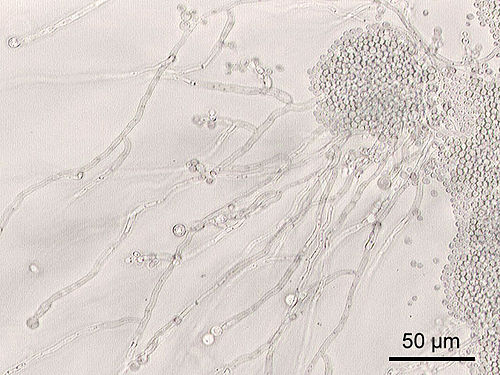
It started quietly enough. In 2009, a yeast strain was identified in Japan—unremarkable at first glance, but harboring a secret. Within a few years, this yeast, now named Candida auris, had swept across continents, emerging in hospitals and care facilities on every inhabited landmass. Its simultaneous, independent appearances from South Asia to South America to Africa confounded mycologists. Was this a medical oddity, or the harbinger of a new era in fungal disease?
Today, C. auris stands as one of the most alarming fungal threats in modern medicine—a pathogen perfectly adapted for our age of warming climates, strained healthcare systems, and antimicrobial resistance.
The Fungal Invader That Won’t Go Away
Unlike most hospital-acquired infections, C. auris is not easily removed by standard cleaning or chemical disinfectants. This tenacious yeast can persist on plastic and skin for weeks, withstand repeated cleaning, and resist multiple classes of antifungal drugs—azoles, echinocandins, and polyenes. In this way, it behaves less like a conventional fungus and more like a bacterial superbug, thriving especially well in environments where immune systems and infection control are compromised.
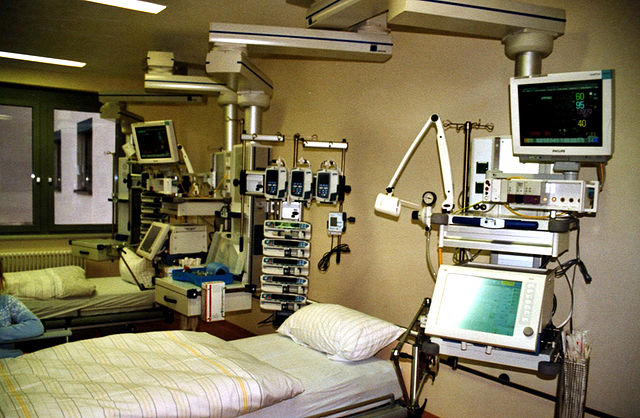
The rise of C. auris is especially troubling in the context of hospitals, where the most vulnerable—elderly patients, transplant recipients, those in intensive care—are already at heightened risk. Once established, the fungus can trigger outbreaks that are incredibly difficult to contain, with mortality rates climbing above 30% in those with severe infections.
A Hotbed of Evolution: How Climate Change Birthed a Superbug
A burning question haunts the medical mycology community: why, and why now? The answer, it seems, lies in the world outside the hospital walls. For most of evolutionary history, humans have been protected from fungal diseases by our high body temperature—an internal “thermal firewall” that excludes the vast majority of soil, water, and airborne fungi. But with a rapidly warming world, some fungi are evolving the ability to grow at 37°C, making them suddenly dangerous to mammals.
Candida auris is the prototype for this phenomenon: a fungus that acquired thermal tolerance in the wild—possibly in coastal marshes or salt flats—then leapt into the healthcare environment, where it was exposed to antifungal drugs, disinfectants, and vulnerable patients. The result: a robust, multidrug-resistant yeast that flourishes where others cannot.

The Anatomy of an Outbreak
In practice, C. auris spreads in a fashion more typical of bacteria than of fungi. It’s not just the immunocompromised who are at risk; anyone in prolonged contact with healthcare environments could become colonized, with the fungus lingering on the skin or in the nostrils, awaiting a breach in the immune defenses. The yeast contaminates hospital rooms, ventilators, catheters, and other equipment. Standard cleaning often fails, and misidentification is common—many laboratories mistake C. auris for more benign Candida species, leading to delays in containment and treatment.
Clinically, infections range from persistent ear and wound infections to lethal bloodstream invasions. The high mortality rates reflect both the virulence of the pathogen and the fragility of the patients it targets.
A Perfect Storm: Globalization, Overuse, and Neglect
The story of C. auris is not just one of microbial adaptation, but of societal oversight. Global travel and trade, the overuse of antifungals in medicine and agriculture, and lapses in infection control have all set the stage for this new superbug. In many respects, C. auris is a symbol of the 21st-century biological crisis—a product of environmental disruption, unchecked resistance, and weak public health infrastructure.

Diagnostics, Surveillance, and the Future
One of the gravest challenges with C. auris is the lack of rapid, accurate diagnostic tools. Because it is often misidentified, outbreaks can simmer unnoticed, spreading between patients and facilities. Surveillance remains patchy, especially in low-resource settings, while the global movement of people ensures the fungus is never far from a new home.
For public health agencies, the priority is clear:
Develop and deploy reliable diagnostics that can distinguish C. auris from other yeasts
Implement rigorous cleaning and containment protocols in healthcare facilities
Monitor antifungal resistance trends and restrict unnecessary antifungal use
Educate healthcare professionals to recognize and report possible C. auris infections early
Candida auris represents the convergence of climate change, antimicrobial overuse, and human mobility. Its rise warns us that fungi—long overshadowed by bacteria and viruses—are evolving rapidly, with consequences for health systems worldwide.
As temperatures rise and resistance spreads, the medical world must stay vigilant. The age of the fungal superbug has arrived, and it demands a new era of collaboration between medicine, mycology, and environmental science.
References
Academic Sources
- Satoh, K., Makimura, K., Hasumi, Y., Nishiyama, Y., Uchida, K., & Yamaguchi, H. (2009). Candida auris sp. nov., a novel ascomycetous yeast isolated from the external ear canal of an inpatient in a Japanese hospital. Microbiology and Immunology. https://pubmed.ncbi.nlm.nih.gov/19161556/
- Casadevall, A., Kontoyiannis, D. P., & Robert, V. (2019). On the Emergence of Candida auris: Climate Change, Azoles, Swamps, and Birds. mBio. https://doi.org/10.1128/mBio.01397-19
- Sabino, R., Veríssimo, C., Pereira, Á. A., & Antunes, F. (2020). Candida auris, an Agent of Hospital-Associated Outbreaks: Which Challenging Issues Do We Need to Have in Mind? Microorganisms. (open access via PubMed Central)
Official Sources
- CDC. (2024). Clinical Overview of Candida auris.
- CDC. (2016). Investigation of the First Seven Reported Cases of Candida auris, a Globally Emerging Invasive, Multidrug-Resistant Fungus — United States, May 2013–August 2016 (MMWR).
Key Takeaways
- Please login A Global Mold Crisis Rooted in Resistance, Resilience, and Rising Temperatures It started quietly enough.
- Its simultaneous, independent appearances from South Asia to South America to Africa confounded mycologists.
- auris is not easily removed by standard cleaning or chemical disinfectants.
- auris is especially troubling in the context of hospitals, where the most vulnerable—elderly patients, transplant recipients, those in intensive care—are already at heightened risk.
- The answer, it seems, lies in the world outside the hospital walls.
Frequently Asked Questions
What should you know about please login to bookmark?
Please login A Global Mold Crisis Rooted in Resistance, Resilience, and Rising Temperatures It started quietly enough. In 2009, a yeast strain was identified in Japan—unremarkable at first glance, but harboring a secret. Within a few years, this yeast, now named Candida auris, had swept across
What should you know about a Global Mold Crisis Rooted in Resistance, Resilience, and Rising Temperatures?
It started quietly enough. In 2009, a yeast strain was identified in Japan—unremarkable at first glance, but harboring a secret. Within a few years, this yeast, now named Candida auris, had swept across continents, emerging in hospitals and care facilities on every inhabited landmass. Its simul
What should you know about the Fungal Invader That Won’t Go Away?
Unlike most hospital-acquired infections, C. auris is not easily removed by standard cleaning or chemical disinfectants. This tenacious yeast can persist on plastic and skin for weeks, withstand repeated cleaning, and resist multiple classes of antifungal drugs—azoles, echinocandins, and p
What should you know about a Hotbed of Evolution: How Climate Change Birthed a Superbug?
A burning question haunts the medical mycology community: why, and why now? The answer, it seems, lies in the world outside the hospital walls. For most of evolutionary history, humans have been protected from fungal diseases by our high body temperature—an internal “thermal firewall” that excludes
What should you know about the Anatomy of an Outbreak?
In practice, C. auris spreads in a fashion more typical of bacteria than of fungi. It’s not just the immunocompromised who are at risk; anyone in prolonged contact with healthcare environments could become colonized, with the fungus lingering on the skin or in the nostrils, awaiting a brea