According to medicalxpress
A Growing Resistance Crisis Spans Agriculture and Medicine
Scientists are warning that a growing fungal resistance crisis could simultaneously threaten global food production and human health, as the widespread use of agricultural fungicides may be reducing the effectiveness of critical antifungal medicines used in hospitals.
The concern highlights an emerging challenge that spans agriculture, medicine, and environmental management, requiring coordinated action across multiple sectors.
According to researchers, antifungal resistance is becoming an increasingly serious issue as fungi adapt to chemical compounds designed to control their growth.
While fungicides play an essential role in protecting crops from devastating fungal diseases, some of the same chemical classes are also used to treat life-threatening fungal infections in humans.
This overlap has raised concerns that environmental exposure to these compounds may be accelerating the evolution of resistant fungal strains.

Dual-Use Fungicides Create Selection Pressure
The issue centers on so-called “dual-use fungicides“—chemical agents that are employed both in agriculture and in clinical medicine.
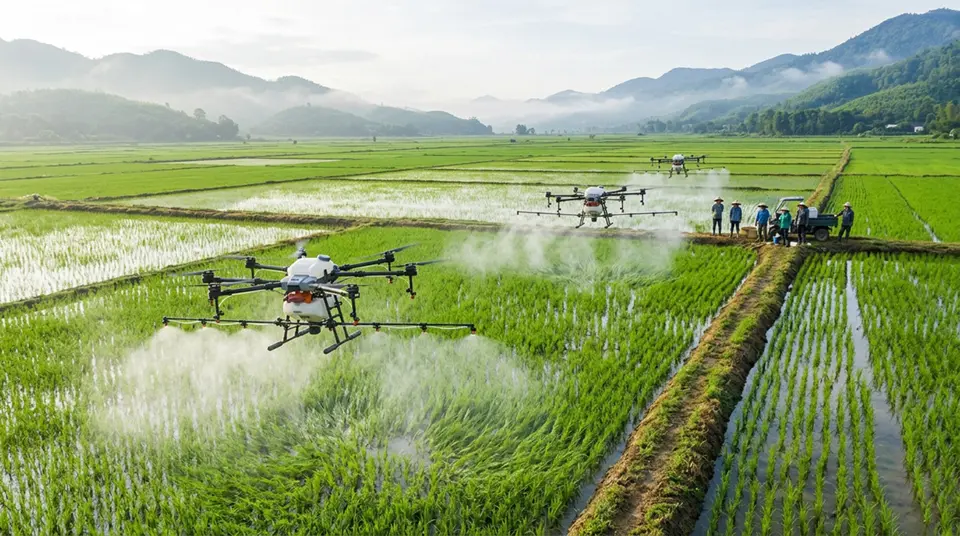
These compounds are widely applied to crops to prevent fungal diseases that can reduce yields, damage food quality, and threaten agricultural productivity.
However, the extensive environmental exposure created by agricultural applications provides fungi with repeated opportunities to adapt and develop resistance mechanisms.
Researchers note that in the United Kingdom, dual-use fungicides are applied to approximately 94% of arable crops.
Such widespread use creates significant selection pressure on environmental fungal populations.
Over time, fungi exposed to these compounds may evolve genetic mutations that allow them to survive treatment.
Once resistance develops in environmental populations, resistant strains can potentially infect humans and become more difficult to treat.
Dual Impact of Fungicide Resistance
| Sector | Potential Consequences |
|---|---|
| Agriculture | Reduced crop protection |
| Food Production | Lower yields |
| Healthcare | Reduced antifungal effectiveness |
| Public Health | Increased fungal disease burden |
| Environment | Resistant fungal reservoirs |
Generated by AI based on published resistance studies.
Fungal Diseases Already Cause Millions of Deaths
The consequences of antifungal resistance extend beyond agriculture.
Fungal infections already represent a major but often underrecognized global health challenge.
Current estimates suggest that fungal diseases contribute to approximately 2.5 million deaths worldwide each year.
Many of these infections affect vulnerable individuals, including cancer patients undergoing chemotherapy, organ transplant recipients, people receiving intensive care treatment, and individuals with weakened immune systems.
For these patients, effective antifungal medicines are often critical for survival.
However, increasing resistance threatens to reduce the effectiveness of available treatments.
Researchers warn that some resistant fungal strains have already been detected in clinical settings, demonstrating that resistance is no longer a theoretical concern but an emerging reality.
Limited Antifungal Treatment Options Increase Risk
One of the most concerning aspects of fungal resistance is the relatively limited number of antifungal drug classes currently available.
Compared with antibacterial medicines, the development of new antifungal therapies has historically been slower and more challenging.
Because fungi are biologically more similar to humans than bacteria are, identifying effective treatments without causing toxicity can be difficult.
As resistance increases, physicians may face growing challenges in managing invasive fungal infections.
Delayed treatment success, longer hospital stays, higher healthcare costs, and increased mortality are all potential consequences of reduced antifungal effectiveness.
Among the most concerning resistant fungal pathogens are Aspergillus fumigatus, Candida auris, and other opportunistic fungi that can cause severe disease in immunocompromised patients.

Food Security Could Also Be Impacted
The agricultural implications are equally significant.
Fungi are among the most destructive pathogens affecting crops worldwide.
They are responsible for substantial losses in cereals, fruits, vegetables, and other agricultural commodities.
Fungicides have become an important component of modern food production systems because they help prevent disease outbreaks that could severely reduce harvests.
If resistance continues to spread among plant pathogenic fungi, farmers may experience declining effectiveness of crop protection products.
This could lead to reduced yields, greater economic losses, and increased pressure on global food supplies.
In a world already facing climate-related agricultural challenges and a growing population, any reduction in crop productivity could have far-reaching consequences.
Major Risks Associated With Resistance
| Area | Potential Impact |
|---|---|
| Crop Yields | Decline |
| Food Supply | Increased pressure |
| Healthcare Costs | Higher expenses |
| Mortality | Increased risk |
| Drug Effectiveness | Reduced efficacy |
Generated by AI based on One Health resistance assessments.
Researchers Advocate a One Health Approach
Researchers emphasize that the fungal resistance problem should be viewed through a “One Health” perspective, which recognizes the interconnected nature of human health, animal health, agriculture, and environmental systems.
Under this framework, actions taken in one sector can have significant impacts on others.
The scientists argue that current responses remain fragmented, with responsibility divided among agricultural regulators, healthcare agencies, environmental authorities, and research institutions.
This separation can create gaps in surveillance, data sharing, and policy development, making it more difficult to identify and respond to emerging resistance threats.
A major concern is the lack of comprehensive monitoring systems capable of tracking antifungal resistance across environmental and clinical settings.
Without coordinated surveillance, resistant strains may spread undetected until they become widespread and difficult to control.
Researchers suggest that integrating environmental monitoring with healthcare surveillance could provide earlier warning of emerging resistance patterns.
Improved Monitoring and Regulation Are Needed
Improved data sharing is also considered essential.
By connecting information from hospitals, agricultural systems, research laboratories, and environmental monitoring programs, authorities may be able to identify resistance trends more rapidly and implement interventions before the problem escalates.
Experts are also calling for stricter evaluation and regulation of fungicides that share chemical similarities with medically important antifungal drugs.
Risk assessments that consider both agricultural benefits and potential public health impacts could help reduce the likelihood of resistance development while maintaining crop protection.
The issue has attracted increasing attention from policymakers and public health advocates.
Researchers argue that fungal resistance represents a silent threat that receives far less attention than antimicrobial resistance in bacteria, despite its potentially severe consequences.
Unlike bacterial resistance, which has become a major focus of global health policy, fungal resistance remains comparatively overlooked.
Climate Change May Intensify Future Risks
However, evidence suggests that the problem is growing.
As resistant fungal strains continue to emerge, the need for coordinated national and international strategies becomes increasingly urgent.
Experts emphasize that failure to act could undermine both healthcare systems and agricultural production.
The challenge is further complicated by climate change.
Climate change may alter fungal distribution, disease patterns, and environmental conditions that favor fungal growth.
Combined with increasing resistance, these factors could create additional risks for both crop production and public health in the coming decades.
Researchers conclude that addressing fungal resistance will require collaboration across scientific disciplines, government agencies, healthcare providers, agricultural sectors, and environmental organizations.
By recognizing the interconnected nature of the problem and implementing coordinated strategies, societies may be able to reduce resistance risks while protecting both food security and human health.
The growing evidence indicates that fungal resistance is no longer solely an agricultural issue or a medical issue.
It has become a broader societal challenge that affects ecosystems, food systems, healthcare infrastructure, and public health.
Effective action today may be critical to preserving both the effectiveness of life-saving antifungal medicines and the productivity of global agriculture in the future.
References
According to medicalxpress