
A Hidden Danger in Plain Sight
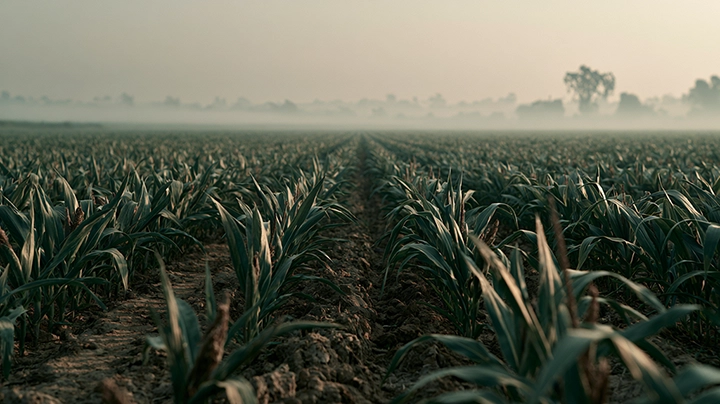
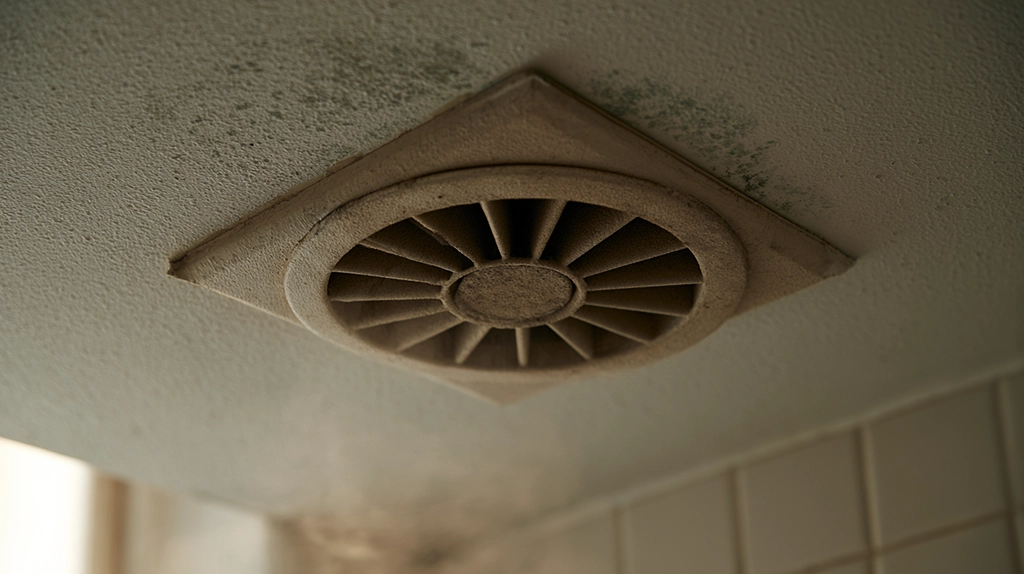
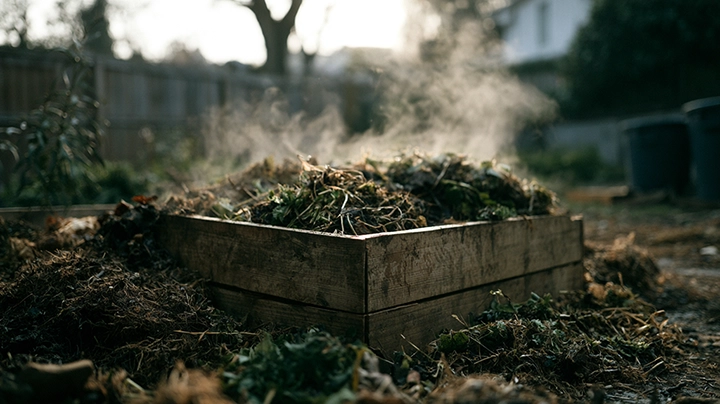
Every day, you walk past it. You breathe it in. It’s in the air, the soil, and the dust in your home. It’s called mucormycosis, or black fungus, and for most of us, it’s harmless. But for those with weakened immune systems, it can be devastating—sometimes even fatal.
Once considered rare, black fungus is now surging at alarming rates, especially in people recovering from COVID-19, those with diabetes, or individuals on long-term steroid treatments. Cases have exploded in India, but this is not just an issue for one country. With rising global diabetes rates, increased antibiotic resistance, and the impact of climate change, black fungus is becoming a worldwide concern.
This isn’t about fearmongering. This is about awareness—because the sooner you understand the risks, the better you can protect yourself and your loved ones.

Source: Wikimedia Commons, CC BY-SA 4.0
What Exactly Is Black Fungus?
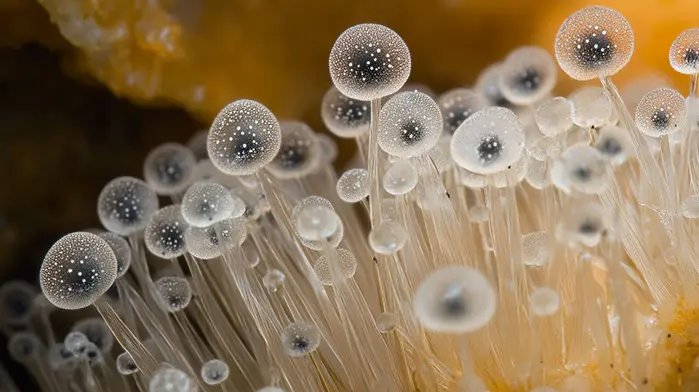
Mucormycosis is caused by molds from the Mucorales order of fungi. Normally, these fungi live in the environment without causing harm. But when they enter the body of someone with a weakened immune system, they become highly aggressive, attacking tissues, spreading through the blood, and in severe cases, destroying organs.
This infection moves fast. It blocks blood supply to infected areas, leading to tissue death (necrosis). Doctors often have no choice but to surgically remove infected areas—sometimes even entire limbs—to stop its spread. And even with treatment, the survival rate remains shockingly low.

Source: Wikimedia Commons, CC BY-SA 3.0
Why Are We Seeing More Cases?
The COVID-19 and Diabetes Connection
The COVID-19 pandemic has exposed a dangerous link between viral infections, immune suppression, and chronic health conditions like diabetes—a perfect storm for black fungus infections to surge.
COVID-19 weakens the immune system, leaving patients vulnerable to opportunistic infections like mucormycosis. Steroid treatments, commonly used to manage severe COVID cases, help reduce inflammation but also suppress immune defenses, making fungal infections more likely.
Diabetes amplifies the risk—high blood sugar levels create an ideal environment for fungal growth, and diabetic patients already have a compromised immune response.
Post-COVID complications have left many recovering patients more susceptible, particularly in regions where health infrastructure is struggling to keep up.
India saw tens of thousands of post-COVID black fungus cases, with patients returning to hospitals with facial swelling, blackened noses, and blurred vision. Many were forced to undergo disfiguring surgeries to stop the infection from reaching the brain.
Meanwhile, diabetes rates are climbing worldwide. India alone has 77 million people living with diabetes, while the U.S., China, and Europe are seeing steady increases in cases. More diabetes means more high-risk individuals, ensuring that black fungus will not disappear anytime soon.

Source: Wikimedia Commons, CC BY-SA 4.0
Could You Recognize the Symptoms?
Black fungus doesn’t announce itself loudly. It starts subtly, which is why so many people miss the early warning signs. If you or someone you love is at risk, watch for:
- Facial swelling, especially around the nose and eyes.
- Sinus pain or black patches inside the nose.
- Chest pain, breathing difficulties, or persistent cough.
- Skin ulcers or blackened areas of skin.
- Confusion, headaches, or seizures (if the infection reaches the brain).
By the time symptoms become severe, the infection is already advanced, making treatment far more difficult.

Source: Wikimedia Commons, CC BY-SA 4.0
Treatment: No Vaccines, Only Surgery
There is no vaccine, no quick cure for black fungus. Once diagnosed, treatment is intense, expensive, and often requires surgery.
Amphotericin B is a powerful antifungal drug, but it’s expensive and in short supply. In severe cases, surgical removal of infected tissue may be necessary, sometimes resulting in the loss of eyes, parts of the face, or even limbs.
Many survivors are left with life-altering disabilities, requiring continuous care and support. Even with aggressive treatment, over 50% of cases end in death. The key is catching it early—but most people don’t know what to look for until it’s too late.

Source: Wikimedia Commons, CC BY-SA 3.0
Why This Needs to Be a Global Public Health Priority
Most countries don’t track fungal infections properly. Hospitals lack protocols for handling outbreaks. Pharmaceutical companies prioritize antibiotics over antifungals.
Right now, we still have a chance to get ahead of this—but if black fungus continues to spread, the world may find itself scrambling for solutions too late.

Source: Wikimedia Commons, CC BY-SA 3.0
How You Can Protect Yourself
The best way to stay safe is prevention and awareness. Here’s what you can do:
- Keep your immune system strong.
- If you have diabetes, keep your blood sugar controlled.
- Be cautious with steroid treatments—only use them under strict medical supervision.
- Stay in well-ventilated environments.
- Avoid prolonged exposure to humid, damp places where mold thrives.
- Act fast if symptoms appear. Early treatment is the best chance of survival.
Final Thoughts: Will We Act in Time?
Black fungus isn’t some distant, exotic disease. It’s here. It’s growing. And it’s not going away.
We have a small window of time to prevent a full-scale crisis. If we fail to act, black fungus could become another global health catastrophe, one that we had the chance to stop—but didn’t.
The world wasn’t ready for COVID-19. Will we be ready for the next deadly fungal outbreak?
The more we talk about it, the more we can do to prevent it. Share this knowledge. Stay informed. Stay safe.
References
- CDC – Mucormycosis (Black Fungus)
- WHO – COVID-19
- WHO – Diabetes Fact Sheet
- WHO – Antimicrobial Resistance
- IPCC – Climate Change
- India Black Fungus Outbreak
- NCBI – Sinus Infections
- Wikimedia Commons images:
- Mucormycosis patient (CC BY-SA 4.0)
- Mucor spores (CC BY-SA 3.0)
- India mucormycosis map (CC BY-SA 4.0)
- CT scan mucormycosis (CC BY-SA 4.0)
- Amphotericin B (CC BY-SA 3.0)
- WHO headquarters (CC BY-SA 3.0)
Key Takeaways
- Please login A Hidden Danger in Plain Sight Every day, you walk past it.
- But for those with weakened immune systems, it can be devastating—sometimes even fatal.
- With rising global diabetes rates, increased antibiotic resistance, and the impact of climate change, black fungus is becoming a worldwide concern.
- Mucormycosis is caused by molds from the Mucorales order of fungi.
- It blocks blood supply to infected areas, leading to tissue death (necrosis).
Frequently Asked Questions
What should you know about please login to bookmark?
Please login A Hidden Danger in Plain Sight Every day, you walk past it. You breathe it in. It’s in the air, the soil, and the dust in your home. It’s called mucormycosis, or black fungus, and for most of us, it’s harmless. But for those with weakened immune systems, it can be devastating—sometimes
What should you know about a Hidden Danger in Plain Sight?
Every day, you walk past it. You breathe it in. It’s in the air, the soil, and the dust in your home. It’s called mucormycosis, or black fungus, and for most of us, it’s harmless. But for those with weakened immune systems, it can be devastating—sometimes even fatal.
What Exactly Is Black Fungus?
Mucormycosis is caused by molds from the Mucorales order of fungi. Normally, these fungi live in the environment without causing harm. But when they enter the body of someone with a weakened immune system, they become highly aggressive, attacking tissues, spreading through the blood, and in severe c
Why Are We Seeing More Cases?
The COVID-19 pandemic has exposed a dangerous link between viral infections, immune suppression, and chronic health conditions like diabetes—a perfect storm for black fungus infections to surge.
What should you know about the COVID-19 and Diabetes Connection?
The COVID-19 pandemic has exposed a dangerous link between viral infections, immune suppression, and chronic health conditions like diabetes—a perfect storm for black fungus infections to surge.