
A Growing Risk Few People See
There is a category of threat that tends to stay invisible until it becomes urgent. Not the dramatic kind — no sudden outbreak, no single pathogen headline. Just a slow accumulation of cases that were harder to treat than expected, in patients who were already fighting for stability, in hospitals that were already stretched.
Fungal infections have occupied exactly this kind of background position in public health for decades. Overshadowed by bacteria and viruses, they are often treated as secondary concerns — manageable, predictable, unlikely to define the next crisis. That framing is becoming harder to sustain.
Across healthcare systems worldwide, drug-resistant fungal pathogens are emerging as a genuine and growing concern. These are organisms that survive treatment, persist in controlled environments, and exploit vulnerabilities that modern medicine has not fully addressed. The shift is not sudden. It is cumulative — and that is precisely what makes it worth paying attention to now.
Why Fungi Are Harder to Fight
The challenge with treating fungal infections begins at the cellular level.
Fungi are eukaryotic organisms. Their cell structure — the way they organize their internal machinery — closely resembles that of human cells. This is not a minor detail. It means that any treatment targeting a fungal cell risks affecting human tissue as well. The shared biology that makes fungi so evolutionarily successful is the same characteristic that limits what medicine can safely do to them.
The result is a narrow therapeutic landscape. Antifungal medicine relies on a small number of drug classes, each with significant constraints: limited spectrum, toxicity concerns at higher doses, and — critically — vulnerability to resistance as fungi adapt over time. When a fungal infection stops responding to first-line treatment, the options available are few, and each carries its own set of complications.
This structural limitation distinguishes fungal disease from many bacterial infections, where the diversity of antibiotic classes provides more room to maneuver when resistance develops.

Resistance in Action: From Rare to Routine
Fungal resistance has moved from a theoretical concern to a documented clinical reality.
Candida auris is the most cited example, and for good reason. It can resist multiple antifungal drugs simultaneously. It survives on surfaces for extended periods. It spreads within healthcare environments and causes severe infections in patients who are already immunocompromised. Outbreaks have been reported across multiple continents, often with limited treatment options available once infection is confirmed.
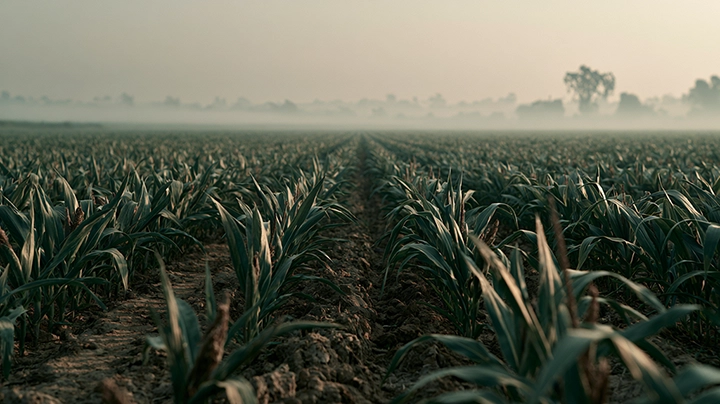
Aspergillus fumigatus presents a different but equally concerning profile. A common environmental mold found in soil and decaying organic matter, it has developed resistance to azoles — the antifungal class most widely used against it — particularly in regions where agricultural fungicides with similar mechanisms are used extensively. The environment, in this case, is contributing directly to the resistance problem.
These are not isolated cases. They are representative of a broader trend: fungal adaptation is advancing at a pace that available treatments are not keeping up with.
Where the Risk Becomes Critical
For a healthy person, encountering fungi is a daily event with no meaningful consequences. The immune system handles routine fungal exposure without difficulty, and most people will never develop a serious fungal infection regardless of exposure levels.
The situation is structurally different in healthcare settings. Patients who are immunocompromised — through illness, through treatment, or through the immunosuppression that organ transplants require — lack the defenses that normally contain fungal colonization. Patients recovering from major surgery are similarly vulnerable during recovery windows that can last weeks.
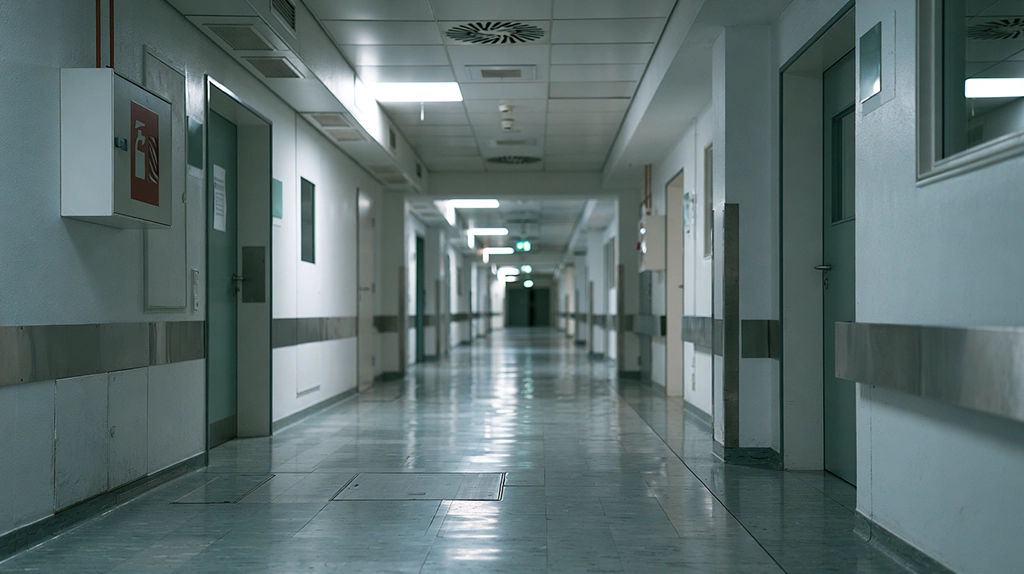
In these environments, fungi that are entirely harmless in a healthy host can become life-threatening. Hospitals are not simply places where sick people encounter fungi by chance. They are environments where fungal risk must be actively and continuously managed, because the patient population present is precisely the group most vulnerable to the consequences of exposure.

Climate Change and the Expanding Fungal Frontier
One of the reasons fungi have been historically less dangerous to humans than to other organisms is temperature. Most fungi cannot thrive at the internal temperature of the human body — the warmth that mammals maintain is itself a form of biological defense.
Rising global temperatures are applying selection pressure to that boundary. Species that can tolerate slightly warmer conditions have a survival advantage in a warming environment. Over time, this process may produce fungal populations that are better adapted to human body temperatures — not through any intentional evolution, but through the ordinary mechanics of natural selection operating across large populations over decades.
This is not an immediate shift. But it represents a long-term change in the ecological conditions that have historically limited human fungal disease. The range of fungi capable of causing human infection may expand as those conditions change — gradually, and largely out of public view.
From Environment to Infection: A Connected System
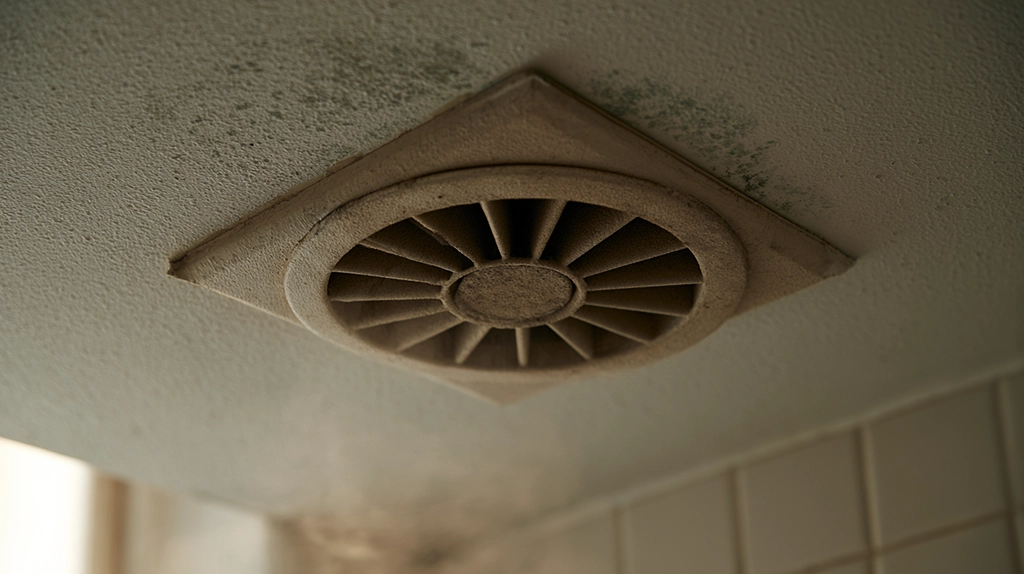
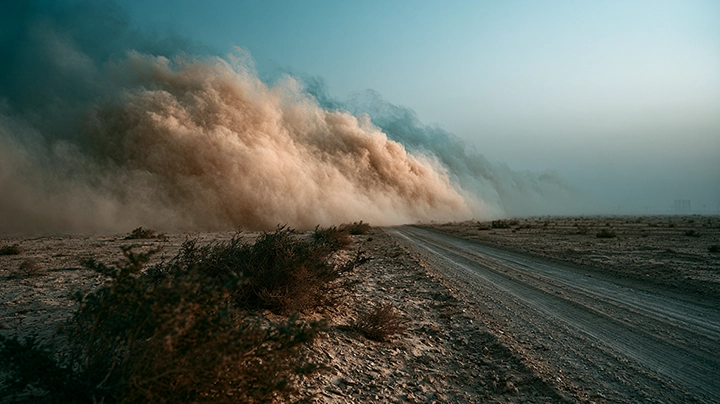
Fungi do not originate in hospitals. They originate in soil, vegetation, air, and the organic material that surrounds human environments. Spores are continuously present in outdoor air and routinely enter indoor spaces through ventilation systems, open windows, and on surfaces and clothing.
The pathway from environmental presence to clinical infection follows a clear sequence: environment → exposure → colonization → infection. For most people, that chain breaks early, at the colonization stage, because immune defenses interrupt it. For vulnerable patients, each step in the chain represents a genuine risk.
This ecological framing matters for how the problem is understood and addressed. Fungal infections are not isolated events that occur randomly within hospitals. They are part of a continuous system that connects indoor environments, outdoor reservoirs, human bodies, and healthcare infrastructure. Managing that system requires attention at every link.
The Diagnostic Gap
One of the less visible challenges in fungal disease is diagnosis.
Fungal infections are frequently misidentified, either confused with bacterial conditions that present similarly or detected late in the course of disease when treatment options are more limited. The diagnostic tools available — culture-based methods that can take days to produce results — are not well matched to the speed at which invasive fungal infections can progress in immunocompromised patients.
Faster, more accurate identification of fungal pathogens is a priority that has not yet been fully addressed. The gap between when an infection begins and when it is correctly identified and treated is a significant contributor to poor outcomes in high-risk patients.
The Slow Pipeline of Antifungal Development
New antifungal treatments are not emerging at a pace that matches the resistance problem.
Drug development in this area is technically complex, expensive, and commercially less prioritized than therapeutic areas with larger patient populations. The number of antifungal agents that have reached clinical use in recent decades is small, and the pipeline of candidates in development remains limited relative to the scale of the challenge.
The imbalance is straightforward: resistance is a biological process that operates continuously across large fungal populations. Drug development is a slow, resource-intensive process that operates on decade-long timelines. Closing that gap requires sustained investment and policy attention that has not yet materialized at the scale the problem warrants.
Mold Control as a Preventive Strategy
Within this broader context, environmental management takes on a different significance.
Controlling mold and fungal presence in buildings — particularly in healthcare settings — is not simply a matter of cleanliness or compliance. It is a direct form of risk reduction for the patients most likely to be harmed by fungal exposure. Moisture control, ventilation management, HEPA filtration, and surface contamination protocols all reduce the pathways through which environmental fungi reach vulnerable patients.
Prevention, in this context, is not a secondary consideration. It is an active component of infection management, operating at the point in the exposure chain where intervention is most practical and most effective.
Rethinking Fungi as a Public Health Concern
Drug-resistant fungi represent a challenge that does not fit neatly into the frameworks that public health systems have built around bacterial resistance or viral outbreaks. The mechanisms are different, the diagnostic tools are less developed, the treatment pipeline is thinner, and the environmental dimensions are more complex.
What is clear is that the organisms themselves are not new. What is changing is their capacity to survive treatment, persist in controlled environments, and exploit the specific vulnerabilities that modern healthcare creates. That shift is already underway. How well medical, environmental, and structural systems adapt to it will determine how significant its impact becomes.
FAQ
What are drug-resistant fungal infections? Infections caused by fungi that no longer respond to standard antifungal medications, leaving fewer and more complex treatment options available.
Why are fungi harder to treat than bacteria? Because fungal cells share structural similarities with human cells, limiting the range of treatments that can safely target fungi without also affecting human tissue.
Is Candida auris dangerous? Yes. It is a multidrug-resistant fungus that spreads readily in healthcare environments and causes serious infections, particularly in immunocompromised patients.
Can environmental mold cause severe infections? In healthy individuals, typically not. In immunocompromised patients, environmental fungi can cause life-threatening invasive infections.
How does climate change affect fungal diseases? Rising temperatures may allow more fungal species to adapt to human body conditions over time, potentially expanding the range of fungi capable of causing human infection.
References
- Cleveland Clinic — Fungal Infections (Mycosis): https://my.clevelandclinic.org/health/diseases/24401-fungal-infections-mycosis
- CDC — Antimicrobial-Resistant Fungi: https://www.cdc.gov/fungal/antimicrobial-resistant-fungi/index.html
Key Takeaways
- Please login A Growing Risk Few People See There is a category of threat that tends to stay invisible until it becomes urgent.
- Just a slow accumulation of cases that were harder to treat than expected, in patients who were already fighting for stability, in hospitals that were already stretched.
- Overshadowed by bacteria and viruses, they are often treated as secondary concerns — manageable, predictable, unlikely to define the next crisis.
- It is cumulative — and that is precisely what makes it worth paying attention to now.
- Their cell structure — the way they organize their internal machinery — closely resembles that of human cells.
Frequently Asked Questions
What should you know about please login to bookmark?
Please login A Growing Risk Few People See There is a category of threat that tends to stay invisible until it becomes urgent. Not the dramatic kind — no sudden outbreak, no single pathogen headline. Just a slow accumulation of cases that were harder to treat than expected, in patients who were alre
What should you know about a Growing Risk Few People See?
There is a category of threat that tends to stay invisible until it becomes urgent. Not the dramatic kind — no sudden outbreak, no single pathogen headline. Just a slow accumulation of cases that were harder to treat than expected, in patients who were already fighting for stability, in hospitals th
Why Fungi Are Harder to Fight?
The challenge with treating fungal infections begins at the cellular level.
What should you know about resistance in Action: From Rare to Routine?
Fungal resistance has moved from a theoretical concern to a documented clinical reality.
Where the Risk Becomes Critical?
For a healthy person, encountering fungi is a daily event with no meaningful consequences. The immune system handles routine fungal exposure without difficulty, and most people will never develop a serious fungal infection regardless of exposure levels.