
When Fungal Threats Become Genomic Signals
By the time a fungal threat becomes visible, it has usually been building for a while.
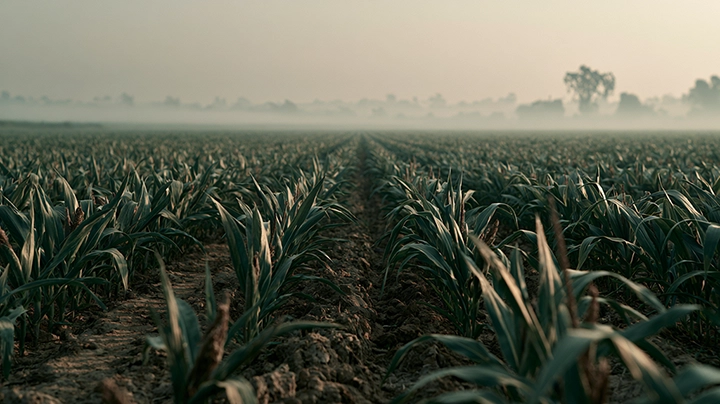
A crop field collapses from disease that has been spreading through the soil for seasons. A hospital patient develops a resistant infection after the fungal strain has been quietly accumulating resistance genes through repeated exposure to treatment. A building begins showing contamination after moisture and spore conditions have been developing inside its walls for months. The visible event — the outbreak, the infection, the damage — is the endpoint of a process that started much earlier, at a scale too small to see.
Fungi are evolving continuously. Their genomes record that evolution: adaptation to new environments, changes in virulence, acquired resistance to antifungal treatments, capacity to survive conditions that would have stopped earlier strains. Research published in BMC Genomics explores how comparative genomics — the systematic comparison of genetic information across fungal species, strains, and time periods — can help scientists read those records before the visible consequences appear.
The implication is significant. Instead of waiting for an outbreak to signal that a fungal threat has changed, genomic analysis may allow researchers to track those changes as they happen — and potentially act earlier than current surveillance systems allow.
What Comparative Genomics Actually Does
Every organism’s genome is a record of its history. Mutations accumulate, gene sequences shift, and the genetic material that survives is what worked — in the environments the organism encountered, against the pressures it faced, in the hosts it colonized or the conditions it adapted to.
Comparative genomics examines those records across multiple organisms simultaneously. In fungal research, this means placing genetic sequences from different strains, species, or sampling periods side by side and asking: what changed, what stayed the same, and what does the pattern of change reveal?
Some genes remain highly conserved — stable across strains and time because they perform functions too essential to alter. Others vary significantly, and the variation often tells a story. A cluster of mutations that appeared in a specific fungal population after widespread antifungal use suggests resistance development. Genetic signatures shared across geographically distant strains suggest that a particular lineage has been spreading. Changes in genes associated with host interaction may indicate a shift toward greater virulence.
Fungal genomes, in this framework, are not simply biological code. They are evolutionary records — and comparative genomics is the discipline that reads them.

Why Fungal Evolution Matters
Fungi are not static organisms waiting to be catalogued. They are continuously responding to environmental pressure — and that response leaves traces in the genome.
Some fungal species have developed resistance to antifungal drugs through repeated exposure in clinical or agricultural settings. Others have expanded their ability to infect new hosts, or to survive temperature ranges that once limited their distribution. Certain lineages have moved into ecological niches they were not previously found in — driven by climate change, habitat disruption, or human activity that brought fungi into contact with new environments and new hosts.
These shifts matter because they translate directly into disease burden. Rising antifungal resistance reduces treatment options for patients who are already vulnerable. Agricultural pathogen evolution threatens crop yields and food security. Climate-driven ecological expansion brings fungal species into regions where they have not previously been encountered — and where human populations have no established immunity or treatment infrastructure.
Understanding how fungi evolve is becoming as important as understanding the diseases they cause — because the evolutionary trajectory shapes what the disease landscape will look like in five or ten years, not just today.
From Genomic Data to Public Health Intelligence
The public health application of fungal genomics is early-stage but significant.
If researchers can identify genetic markers associated with virulence or antifungal resistance before those traits become clinically widespread, the implications are substantial. Earlier diagnostics become possible when the genetic signatures of dangerous strains are known in advance. Treatment strategies can be designed around resistance profiles rather than discovered through treatment failure. Surveillance systems can monitor whether particular lineages are spreading through hospital populations or across geographic regions.
This matters especially because fungal infections are already difficult to manage under current conditions. Antifungal treatment options are fewer than antibiotic options for bacterial infections. Diagnosis is frequently delayed because fungal infections mimic bacterial or viral presentations. Resistance is increasing in several clinically important species, including Candida auris and Aspergillus fumigatus.
Genomic surveillance adds a layer of intelligence that current clinical monitoring does not provide. Rather than responding only after visible disease has established itself, healthcare systems may eventually track evolutionary warning signs within fungal populations before they translate into clinical consequences.

Fungal Genomics Is Also a Food Security Issue
The application extends well beyond hospitals and clinical settings.
Fungi destroy an estimated ten to twenty percent of global food crops annually — through direct plant infection, post-harvest contamination, and mycotoxin production that renders food unsafe even when the fungal growth itself is no longer visible. The pathogens responsible for this damage are not static. They evolve under the same pressures that drive clinical resistance: fungicide use selects for tolerance, monoculture agriculture creates conditions for rapid pathogen spread, and climate change alters the environments in which both crops and pathogens grow.
Comparative genomics allows agricultural researchers to study how crop-infecting fungi adapt to fungicide pressure, overcome plant immune systems, and spread between agricultural regions. This information feeds directly into practical decisions: which crop varieties to develop for improved disease resistance, where to monitor for emerging pathogen lineages, and how to reduce fungicide application without increasing disease risk.
The longer-term possibility is a shift from reactive disease control — responding after a pathogen has already devastated a crop — toward predictive management, where genomic signals indicate emerging threats before they reach the field.
Climate Change Is Rewriting Fungal Evolution
Environmental change is not a background condition for fungal evolution. It is an active driver.
Rising temperatures create new opportunities for fungi that were previously limited by thermal tolerance. Altered rainfall patterns change the soil moisture conditions that govern fungal growth and spore dispersal. Habitat disruption brings fungi into contact with new hosts — plants, animals, and humans — that they have not previously encountered and that lack established defenses.
Comparative genomics provides tools to investigate whether these pressures are leaving detectable signatures in fungal genomes. Are certain lineages accumulating genetic changes associated with heat tolerance? Are resistance genes spreading more rapidly within agricultural pathogen populations? Are environmental fungi — species not historically associated with human disease — beginning to show genetic characteristics of opportunistic pathogens?
These questions do not yet have complete answers. But the genomic framework makes them answerable in ways that were not possible before large-scale fungal genome sequencing became feasible. The data is now available. The analytical capacity is developing. What emerges from that combination will shape how fungal threats are understood and managed in the coming decades.
The Infrastructure Behind Genomic Surveillance
Genomic intelligence does not operate automatically. It depends on infrastructure.
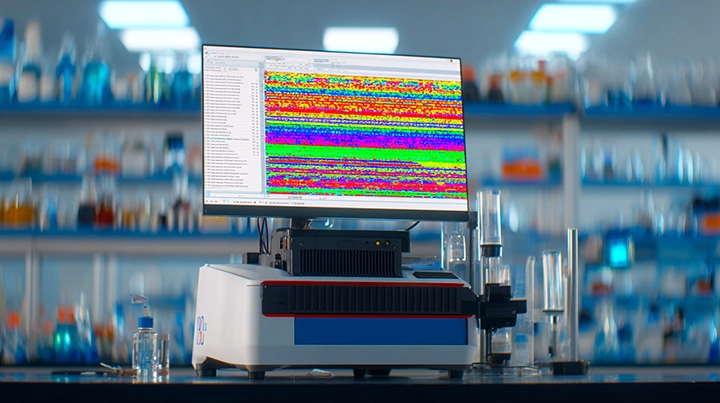
Effective fungal genomic surveillance requires bioinformatics capacity to analyze large datasets, shared databases that allow comparisons across institutions and geographic regions, standardized sampling systems that make data from different sources comparable, long-term archives that preserve historical samples for retrospective analysis, and collaboration between microbiologists, clinicians, ecologists, and agricultural scientists who are asking related questions from different vantage points.
This coordination problem is not trivial. Genomic signals from a hospital in one country, an agricultural system in another, and an environmental monitoring program in a third are only useful in combination if the data is structured compatibly, accessible to researchers who need it, and interpreted within a shared analytical framework.
The research highlights this as a central challenge. Comparative genomics is not simply a laboratory technique applied to individual samples. It is a surveillance infrastructure — and building that infrastructure requires investment, standardization, and institutional commitment that extends well beyond any single research group.
A New Era of Fungal Surveillance
Fungi are evolving, and the tools to track that evolution are becoming more capable. Comparative genomics does not eliminate fungal disease or replace environmental monitoring, infection control, or agricultural management. What it provides is something that current reactive systems cannot: early insight into how fungal systems are changing before the consequences become fully visible.
For the field of mycology and for the institutions — hospitals, agricultural systems, environmental agencies — that manage fungal risk, this represents a meaningful shift in how the problem can be framed. The question is no longer only: what fungal threats exist now? It becomes: what threats are the genomic records suggesting are developing, and what can be done about them before they mature into outbreaks?
Fungi are adaptive systems continuously responding to environmental pressure. Their genomes record those responses. Learning to read those records accurately may become one of the more important capabilities in managing the biological risks of the coming decades.
FAQ
What is comparative genomics in fungal research? The study of similarities and differences between fungal genomes across species, strains, locations, and time periods — used to understand how pathogens evolve, develop resistance, and adapt to new environments.
Why is historical genomic data useful? It allows researchers to compare older and newer fungal strains, revealing how pathogens have changed over time and identifying the genetic changes associated with increased virulence or treatment resistance.
How can fungal genomics help public health? By identifying genetic markers associated with resistance or virulence before outbreaks become widespread — supporting earlier diagnostics, more targeted treatment, and better surveillance of emerging threats.
Why is comparative genomics important for agriculture? Because crop-infecting fungi evolve under fungicide and environmental pressure, and genomic analysis can identify resistance development and adaptation patterns before they translate into field-level crop losses.
Can genomics predict future fungal outbreaks? Not with certainty, but it can reveal warning signals — emerging resistance patterns, expanding pathogenic lineages, genetic signatures of host adaptation — that current clinical and agricultural surveillance cannot detect.
References
- Bioengineer.org — Tracking Fungal Pathogen Evolution Through Comparative Genomics: https://bioengineer.org/tracking-fungal-pathogen-evolution-through-comparative-genomics/
Key Takeaways
- Please login When Fungal Threats Become Genomic Signals By the time a fungal threat becomes visible, it has usually been building for a while.
- A hospital patient develops a resistant infection after the fungal strain has been quietly accumulating resistance genes through repeated exposure to treatment.
- Their genomes record that evolution: adaptation to new environments, changes in virulence, acquired resistance to antifungal treatments, capacity to survive conditions that would have stopped earlier strains.
- In fungal research, this means placing genetic sequences from different strains, species, or sampling periods side by side and asking: what changed, what stayed the same, and what does the pattern of change reveal?
- A cluster of mutations that appeared in a specific fungal population after widespread antifungal use suggests resistance development.
Frequently Asked Questions
What should you know about please login to bookmark?
Please login When Fungal Threats Become Genomic Signals By the time a fungal threat becomes visible, it has usually been building for a while.
When Fungal Threats Become Genomic Signals?
By the time a fungal threat becomes visible, it has usually been building for a while.
What Comparative Genomics Actually Does?
Every organism’s genome is a record of its history. Mutations accumulate, gene sequences shift, and the genetic material that survives is what worked — in the environments the organism encountered, against the pressures it faced, in the hosts it colonized or the conditions it adapted to.
Why Fungal Evolution Matters?
Fungi are not static organisms waiting to be catalogued. They are continuously responding to environmental pressure — and that response leaves traces in the genome.
What should you know about from Genomic Data to Public Health Intelligence?
The public health application of fungal genomics is early-stage but significant.