According to SOUTH CHINA MORNING POST
Desert Moss Gene Improves Cotton Disease Resistance
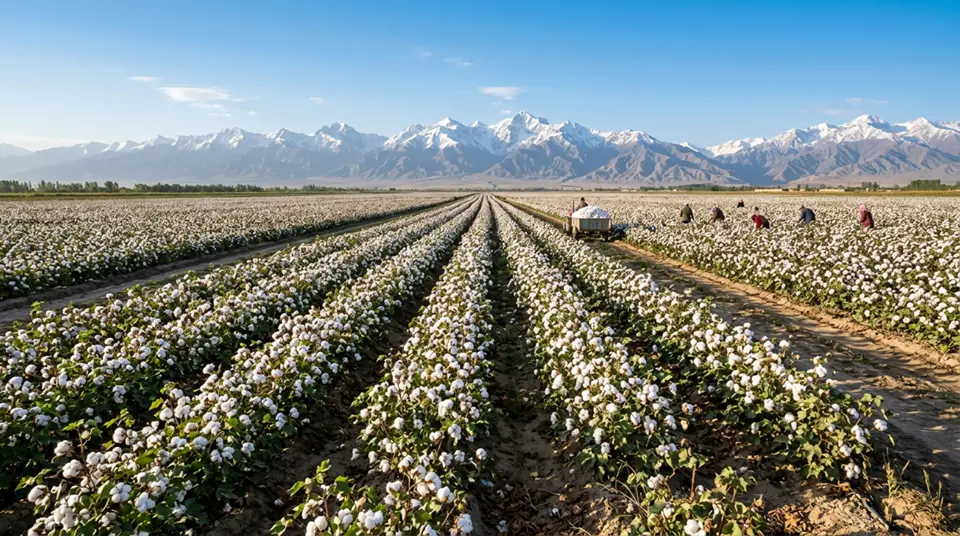
Chinese researchers have successfully introduced a gene from a desert moss species into cotton plants, significantly improving the crop’s resistance to fungal disease while increasing yield potential.
The development comes at a time when scientists worldwide are warning that growing fungicide resistance among fungi poses a serious threat to both global food security and human health.
The study, conducted by a research team in Xinjiang, focused on improving cotton’s natural ability to withstand fungal pathogens.
Cotton remains one of China‘s most important agricultural commodities, and fungal diseases continue to cause substantial economic losses through reduced yields, lower fiber quality, and increased production costs.
Traditional disease management relies heavily on chemical fungicides, but growing concerns over fungicide resistance have intensified the search for alternative solutions.

Moss Survival Mechanisms Inspire Crop Improvement
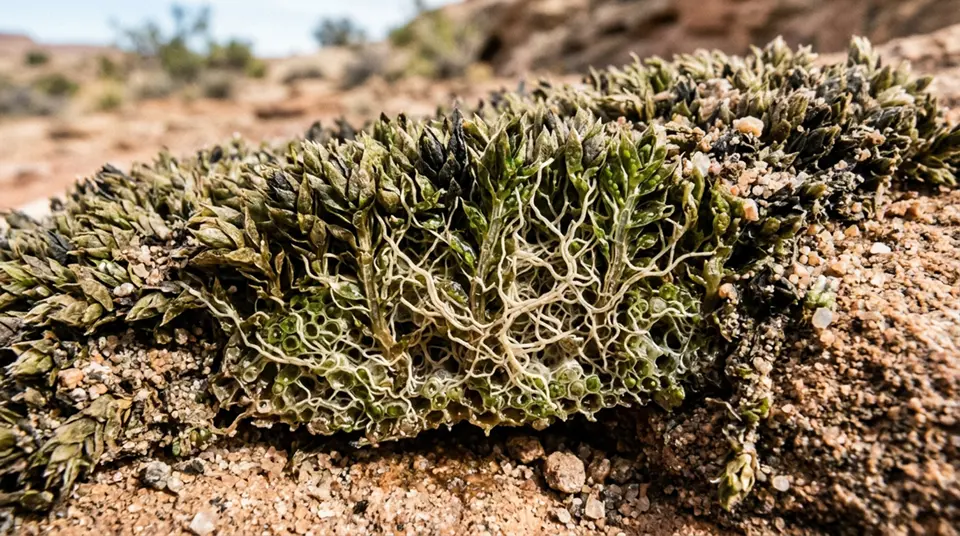
The researchers turned to a desert moss species known for its remarkable ability to survive under harsh environmental conditions.
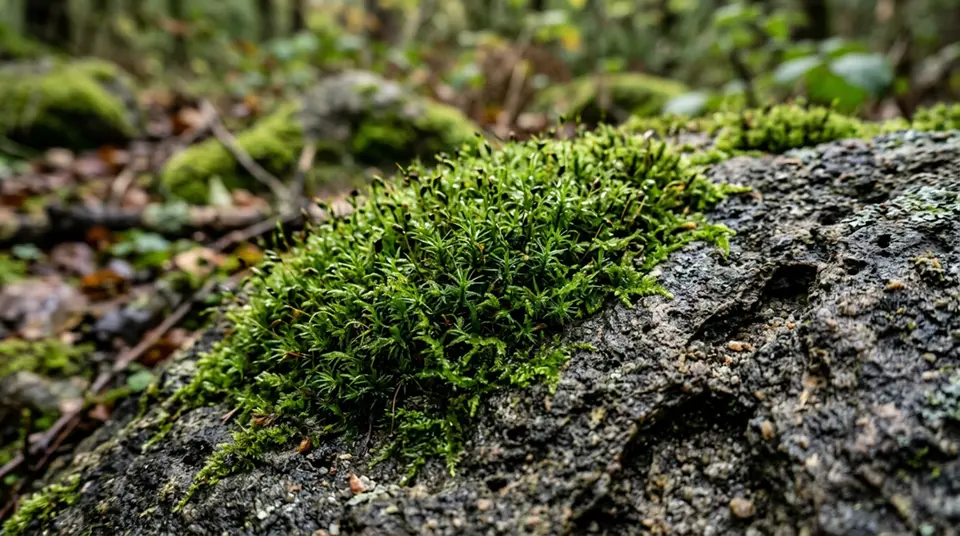
Mosses are among the earliest land plants and have evolved sophisticated biological mechanisms to tolerate drought, temperature extremes, ultraviolet radiation, and microbial challenges.
Scientists identified a gene associated with stress resistance and introduced it into cotton plants through genetic engineering techniques.
Experimental results showed that the modified cotton plants displayed significantly stronger resistance to fungal infections compared with conventional cotton varieties.
The enhanced plants were able to better defend themselves against disease while maintaining healthy growth and productivity.
According to the research team, the introduced gene appears to strengthen the plant’s immune response, enabling it to recognize and respond more effectively to fungal invasion.
The modification also improved the plant’s ability to tolerate environmental stress, potentially providing additional agricultural benefits in regions exposed to drought and extreme climatic conditions.

Improved Yield Under Disease Pressure
Field observations demonstrated that the genetically enhanced cotton plants produced higher yields than standard cotton under disease pressure.
Reduced fungal infection allowed plants to allocate more resources toward growth and fiber production rather than disease defense and recovery.
The findings suggest that disease-resistant varieties could contribute to more stable cotton production in areas where fungal outbreaks frequently threaten harvests.
Benefits Observed in Modified Cotton
| Trait | Result |
|---|---|
| Fungal Resistance | Increased |
| Disease Tolerance | Improved |
| Environmental Stress Resistance | Enhanced |
| Cotton Yield | Increased |
| Crop Stability | Improved |
Generated by AI based on reported Xinjiang cotton research findings.
Global Concerns Over Fungicide Resistance Continue to Grow
The research arrives amid growing international concern regarding fungicide resistance.
Scientists have increasingly warned that many fungal species are developing resistance to chemical compounds used to control fungal diseases in both agriculture and medicine.
This trend has raised concerns about the long-term sustainability of current disease management strategies.
Fungicides play a critical role in modern agriculture by protecting crops from pathogens capable of causing severe yield losses.
However, repeated exposure to the same chemical classes can create selective pressure that encourages the emergence of resistant fungal populations.
Once resistance develops, disease control becomes more difficult, requiring higher chemical inputs or alternative management approaches.
Researchers studying antifungal resistance have highlighted a particularly concerning issue involving so-called dual-use fungicides.
These compounds are used not only to protect crops but also share chemical similarities with antifungal drugs used in human medicine.
Environmental exposure to these chemicals may contribute to the development of resistant fungal strains that can subsequently affect human health.
Human Health Implications of Fungal Resistance
Fungal diseases already represent a major challenge worldwide.
Estimates suggest that fungal infections contribute to approximately 2.5 million deaths annually, particularly among immunocompromised individuals, cancer patients, transplant recipients, and critically ill patients.
The emergence of resistant fungal pathogens threatens to reduce the effectiveness of existing treatments and complicate disease management in healthcare settings.
In agriculture, resistance threatens crop production systems by reducing the effectiveness of fungicides that farmers depend upon to prevent disease outbreaks.
Crops such as wheat, barley, rice, maize, fruits, vegetables, and cotton are all vulnerable to fungal pathogens.
Continued resistance development could lead to lower yields, higher production costs, and increased pressure on global food supplies.

Disease-Resistant Crops Offer an Alternative Strategy
The cotton research offers an alternative approach by focusing on enhancing natural plant resistance rather than relying solely on chemical protection.
Disease-resistant crop varieties are increasingly viewed as an important component of sustainable agriculture because they can reduce fungicide dependence while maintaining productivity.
Scientists note that genetic resistance does not eliminate the need for disease management but can become part of an integrated strategy that combines resistant cultivars, biological controls, environmental monitoring, and responsible fungicide use.
Such approaches may help slow resistance development while improving long-term agricultural sustainability.
The desert moss gene represents an example of how naturally evolved biological mechanisms can be adapted for modern crop improvement.
By transferring stress-resistance traits from highly resilient organisms into agricultural crops, researchers hope to create plants better equipped to withstand both disease and environmental challenges.
Comparing Disease Management Approaches
| Strategy | Primary Goal |
|---|---|
| Fungicides | Direct disease suppression |
| Resistant Cultivars | Natural protection |
| Biological Control | Ecological management |
| Monitoring Systems | Early detection |
| Integrated Management | Long-term sustainability |
Generated by AI based on integrated disease management principles.
One Health Perspective Gains Importance
The development is particularly relevant for Xinjiang, one of China’s major cotton-producing regions.
Environmental stresses, including water scarcity and temperature fluctuations, can increase crop vulnerability to disease.
Enhanced resistance may help stabilize production while reducing reliance on chemical interventions.
At the same time, the broader issue of fungal resistance continues to attract attention from researchers working in public health, agriculture, and environmental science.
Experts increasingly advocate for a “One Health” approach that recognizes the interconnected relationship between human health, plant health, and ecosystem health.
Under this framework, actions taken in agriculture can influence medical outcomes, while developments in healthcare can inform agricultural policy.
Coordinated surveillance, responsible chemical use, and investment in alternative disease management strategies are considered essential for addressing resistance challenges across multiple sectors.
Biotechnology May Help Reduce Fungicide Dependence
The Chinese study demonstrates how biotechnology may contribute to these efforts by providing new tools for disease prevention.
Rather than responding to fungal outbreaks after they occur, researchers aim to strengthen plant defenses before infection begins.
Such preventive strategies could help reduce crop losses while lowering the overall demand for fungicides.
As global populations continue to grow and food demand increases, maintaining agricultural productivity remains a major challenge.
Simultaneously, healthcare systems face increasing pressure from emerging fungal pathogens and growing antifungal resistance.
The intersection of these issues highlights the importance of developing innovative solutions capable of supporting both food security and public health.
The successful introduction of a desert moss gene into cotton represents a promising example of how biological innovation can enhance crop resilience.
While additional research and field evaluation will be necessary before widespread adoption, the findings suggest that genetic approaches may become an increasingly important component of future strategies to combat fungal disease, reduce fungicide dependence, and strengthen agricultural sustainability.
References
According to SOUTH CHINA MORNING POST