
The Chilling Reality: Cold Isn’t Clean
We put our trust in refrigeration—whether it’s our home fridge, a gleaming supermarket display, or the chilled trucks traversing continents—to keep our food safe. For most people, cold means control: an invisible shield that stops spoilage, bacteria, and mold in their tracks. But the story told in a sweeping 2025 Food Control review is a little colder, and a lot more complicated. Instead of total safety, refrigeration is often just a pause button—a slowing, not a stop, for microbial life. And among the survivors, fungi—especially molds—are showing themselves as some of the cold chain’s most resilient players.

While freezing and chilling may slow down or temporarily halt bacterial growth, molds like Aspergillus, Penicillium, and Cladosporium have adapted over millennia to persist in the dark, damp, low-temperature corners of modern food systems. Their spores can bide their time through long storage, transit, and even sanitation routines, only to awaken and spoil food before we’ve noticed anything amiss.

The Myth of the Fortress: How Mold Breaches the Cold Chain
The “cold chain” is an elaborate global network, running from farm to factory to retailer to your home kitchen. Its main job is to maintain low temperatures throughout every step, slowing microbial activity to extend shelf life and safeguard public health. But as the review points out, the cold chain isn’t a fortress—just a filter. And the hardier the microbe, the better its chances of slipping through.
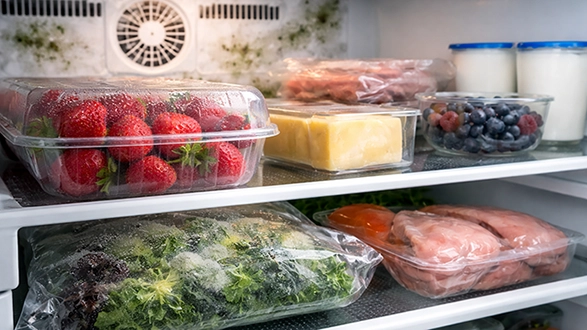
Contamination can sneak in at every turn. In the fields, soilborne fungi cling to crops and biofilms develop on harvest equipment. During processing and packaging, lapses in cleaning or poorly maintained machinery leave behind residues and spores that are tough to remove. Storage and distribution expose food to subtle temperature swings, condensation, and sometimes packaging failures, all of which provide cozy microclimates for molds to reactivate and multiply. Even at home, our fridges may harbor colonies in overlooked spills or old vegetable drawers, quietly transferring spores from item to item.
It’s important to understand that cold doesn’t kill most fungi—it only slows them. Many molds are psychrotrophic—they actually tolerate or prefer cold temperatures, and can produce dangerous mycotoxins even while the food looks perfectly fresh. A product can travel flawlessly through the supply chain and still be at risk if a single cold-loving mold is present, patiently waiting to bloom.
Cleaning Isn’t Enough: The Resilience of Fungi
A common misconception is that aggressive cleaning—industrial or domestic—guarantees safety. Modern food processing uses a variety of sanitation routines, including chemical washes, heat treatments, and specialized clean-in-place (CIP) or clean-out-of-place (COP) systems. But the resilience of fungi often outpaces our best efforts. Mold spores are naturally sticky, able to hide in the smallest crevices of machinery, packaging, and surfaces. Standard cleaning removes most bacteria, but fungi can survive even blanching or chemical exposure.

This explains why contamination so often originates not from an obvious breach, but from the persistence of small, overlooked colonies. Once a psychrotrophic mold is established in a facility or container, it can re-seed each new batch, especially in environments where cleaning is inconsistent or corners are cut for speed and efficiency.
The Next Wave: Smarter, Multi-Hurdle Solutions
Recognizing that temperature and traditional sanitation are no longer enough, scientists and food technologists are championing what the review calls “multi-hurdle protection.” This approach stacks several defenses, each designed to address specific weaknesses in the cold chain. Instead of relying on any single intervention, these combined strategies make the environment as inhospitable as possible for mold and other pathogens.
Among these next-generation methods are high-pressure freezing, which ruptures microbial cells using sudden mechanical shock, and cold plasma technology, where reactive oxygen and nitrogen species break down cell walls. Natural solutions like essential oil vapors or antimicrobial packaging films are gaining popularity, providing a gentle but persistent background level of protection without adding synthetic chemicals to food. Physical techniques like dry ice blasting, UV light, and pulsed-light sanitation target hard-to-reach areas and equipment surfaces. And in the most advanced systems, irradiation or antimicrobial gases are used to sanitize products without damaging taste or texture.
The Policy Lag: Why Regulation Needs to Catch Up
Despite the clear risks, the review warns that regulations are often behind the science. International standards, including those from the Codex Alimentarius and the European Union, offer detailed guidelines for bacterial safety but often overlook the evolving challenge of fungal contamination and mycotoxin risk—especially in minimally processed, refrigerated foods like dairy, ready-to-eat salads, or fresh-cut produce.

As the global cold chain expands, policymakers must update and harmonize standards to address fungal threats, ensuring that public health isn’t compromised by a false sense of security.
So what does this mean for consumers and food professionals alike? Refrigeration remains essential, but it cannot be our only line of defense. As our food systems become more complex and globalized, the persistence of mold—even in the coldest, most carefully managed supply chains—demands vigilance, innovation, and honesty about the limits of our technology.
If we want food that’s not just cold, but genuinely clean and safe, we need to combine smarter hygiene, innovative processing, better packaging, and forward-looking regulation. Above all, we need to recognize that in the war against mold, complacency is the enemy. Cold may slow the march of fungi, but only multi-hurdle strategies and ongoing awareness can stop them.
Key Takeaways
- We put our trust in refrigeration—whether it’s our home fridge, a gleaming supermarket display, or the chilled trucks traversing continents—to keep our food safe.
- But the story told in a sweeping 2025 Food Control review is a little colder, and a lot more complicated.
- Their spores can bide their time through long storage, transit, and even sanitation routines, only to awaken and spoil food before we’ve noticed anything amiss.
- But as the review points out, the cold chain isn’t a fortress—just a filter.
- During processing and packaging, lapses in cleaning or poorly maintained machinery leave behind residues and spores that are tough to remove.
Frequently Asked Questions
Can mold grow inside your refrigerator even at cold temperatures?
We put our trust in refrigeration—whether it’s our home fridge, a gleaming supermarket display, or the chilled trucks traversing continents—to keep our food safe. For most people, cold means control: an invisible shield that stops spoilage, bacteria, and mold in their tracks. But the story told in a
What health risks do refrigerator molds pose to food safety?
While freezing and chilling may slow down or temporarily halt bacterial growth, molds like Aspergillus, Penicillium, and Cladosporium have adapted over millennia to persist in the dark, damp, low-temperature corners of modern food systems. Their spores can bide their time through long storage, trans
How can you prevent mold from contaminating refrigerated food?
The “cold chain” is an elaborate global network, running from farm to factory to retailer to your home kitchen. Its main job is to maintain low temperatures throughout every step, slowing microbial activity to extend shelf life and safeguard public health. But as the review points out, the cold chai
What are the main risks associated with Cold But Not Clean?
Contamination can sneak in at every turn. In the fields, soilborne fungi cling to crops and biofilms develop on harvest equipment. During processing and packaging, lapses in cleaning or poorly maintained machinery leave behind residues and spores that are tough to remove. Storage and distribution ex
What actions are recommended regarding Cold But Not Clean?
It’s important to understand that cold doesn’t kill most fungi—it only slows them. Many molds are psychrotrophic—they actually tolerate or prefer cold temperatures, and can produce dangerous mycotoxins even while the food looks perfectly fresh. A product can travel flawlessly through the supply chai