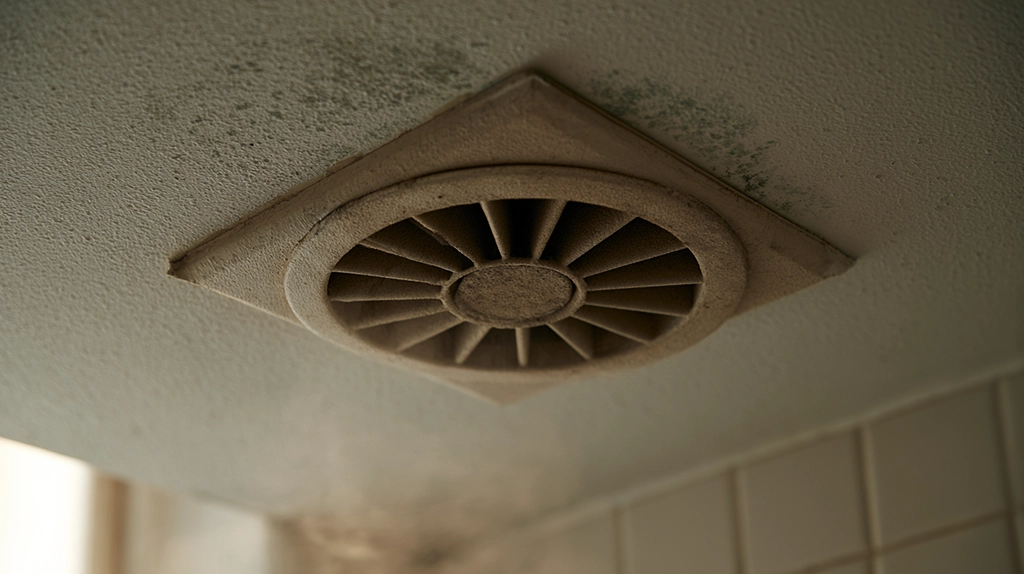


It starts with a small itch. During the rainy season, dark spots creep along the bathroom tiles, the air feels heavy, and before long, red bumps bloom on your arms. Someone says it’s a “mold allergy.” Another claims it’s a “fungal infection.” Both could be right—but they mean very different things. Mold doesn’t bite you directly. Instead, it confuses your body’s defenses—or takes advantage of a weakened skin barrier to quietly invade.
Damp Air, Dry Skin
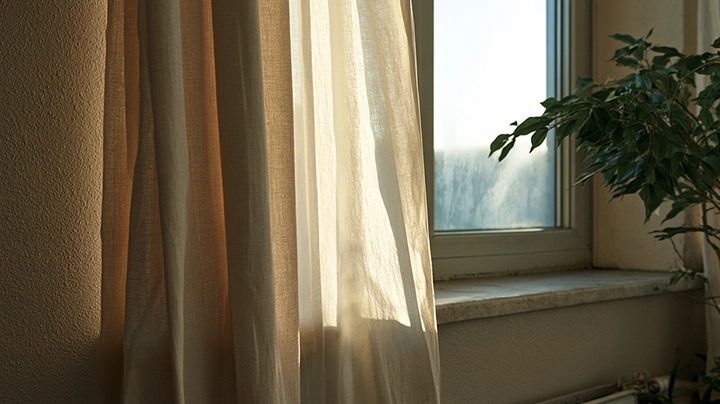
Image: Indoor condensation on windows causing dampness — Source: Pixnio (CC0)

Mold thrives where humans get careless: humid, poorly ventilated corners. When indoor humidity stays above 60%, mold finds a home on walls, window frames, and silicone joints.
The World Health Organization (WHO) and the U.S. Centers for Disease Control and Prevention (CDC) have long warned that living in damp or mold-damaged buildings increases the risk of eczema and dermatitis.
In such environments, skin loses its natural defense. The outer layer softens and cracks as it absorbs excess moisture. Once airborne spores settle on the skin, the immune system can misread them as intruders. What follows isn’t an attack by mold—it’s your body’s own overreaction.
Two Different Stories Behind “Mold Rashes”

1. Allergic Reaction Type
This is the most common case. When mold spores are inhaled or touch the skin, the body releases histamine, triggering redness and itch. These rashes usually appear symmetrically and don’t ooze; they’re your body’s protest against the environment, not an infection.
People with asthma, allergic rhinitis, or atopic dermatitis are especially sensitive.
The CDC and the National Institute of Environmental Health Sciences (NIEHS) both note that mold exposure can worsen allergy symptoms, including skin irritation and inflammation.
2. Infectious Type
Here, the fungus truly grows on the skin. Species like Trichophyton and Candida thrive in warm, moist areas, creating ring-shaped, scaly patches—the condition we call ringworm.
This isn’t an allergy; it’s an infection that requires antifungal treatment.
If the rash lasts more than a week, spreads, or produces fluid, it’s time to see a doctor. A simple skin test or culture can confirm whether it’s allergic or fungal. Self-diagnosing often makes things worse; using the wrong cream can turn irritation into infection.
The Hidden Cause: Moisture and Condensation
Visible mold is only part of the story. The real danger is invisible moisture trapped behind walls or under flooring.
When relative humidity stays above 60% or condensation forms on cool surfaces, mold grows out of sight.
Studies have shown that prolonged exposure to damp indoor environments significantly increases the risk of eczema and respiratory symptoms — for example, a systematic review by Quansah et al. (2013) in the Journal of Allergy and Clinical Immunology found strong evidence linking indoor dampness to eczema and airway irritation.
For workers in factories or warehouses, the risk can be occupational. Materials like leather, cardboard, or fabric that aren’t fully dried can carry spores.
Repeated contact can lead to occupational mold dermatitis—a rash that seems harmless but signals chronic environmental exposure.
Prevention and Treatment Start with the Environment

For individuals: Keep your skin dry. After bathing, dry thoroughly and use mild, pH-balanced cleansers and moisturizers to strengthen the skin barrier. Avoid wearing damp clothes or handling moldy objects.
For spaces: Controlling humidity works better than any spray. Keep indoor humidity around 50%, and start dehumidifying when it exceeds 60%. Clean bathrooms, windows, and air filters regularly.
If mold appears, find and fix the moisture source before scrubbing—it’s the leak, not the stain, that matters.
The WHO’s Indoor Air Quality: Dampness and Mould guidelines emphasize exactly this principle: fix the moisture first.
For treatment: Allergic rashes usually respond to antihistamines or mild corticosteroid creams.
Fungal infections need antifungal agents such as clotrimazole or ketoconazole.
The golden rule—don’t guess, get tested. Proper diagnosis is the shortest path to relief.
When Your Skin Speaks
Itching is your body’s way of saying the environment is off-balance. When air is stale, humidity high, and ventilation poor, the skin becomes the messenger.
It sends a warning: this space needs to breathe.
Mold and moisture are more than household nuisances—they’re silent indicators of environmental health.
Controlling humidity, improving airflow, and inspecting hidden corners not only protect your home but also your skin.
So next time you feel that itch, don’t just blame the soap or detergent. Look around the room. Check the corners, the windows, the ceiling.
That rash might be your skin’s quiet plea for a drier, healthier world—one that finally lets both you and your walls breathe again.
References
- World Health Organization (2009). Indoor Air Quality: Dampness and Mould. WHO Regional Office for Europe.
- CDC: Mold and Health, NIEHS: Mold.
- PubChem: Clotrimazole, Ketoconazole.
Key Takeaways
- Please login Mold spots forming on bathroom — Source: Wikimedia Commons It starts with a small itch.
- Someone says it’s a “mold allergy.” Another claims it’s a “fungal infection.” Both could be right—but they mean very different things.
- Image: Indoor condensation on windows causing dampness — Source: Pixnio (CC0)
- Centers for Disease Control and Prevention (CDC) have long warned that living in damp or mold-damaged buildings increases the risk of eczema and dermatitis.
- Once airborne spores settle on the skin, the immune system can misread them as intruders.
Frequently Asked Questions
What should you know about please login to bookmark?
Please login Mold spots forming on bathroom — Source: Wikimedia Commons It starts with a small itch. During the rainy season, dark spots creep along the bathroom tiles, the air feels heavy, and before long, red bumps bloom on your arms. Someone says it’s a “mold allergy.” Another claims it’s a
What should you know about damp Air, Dry Skin?
Image: Indoor condensation on windows causing dampness — Source: Pixnio (CC0)
What should you know about two Different Stories Behind “Mold Rashes”?
This is the most common case. When mold spores are inhaled or touch the skin, the body releases histamine, triggering redness and itch. These rashes usually appear symmetrically and don’t ooze; they’re your body’s protest against the environment, not an infection.People with asthma, allergic rhiniti
What should you know about 1. Allergic Reaction Type?
This is the most common case. When mold spores are inhaled or touch the skin, the body releases histamine, triggering redness and itch. These rashes usually appear symmetrically and don’t ooze; they’re your body’s protest against the environment, not an infection.People with asthma, allergic rhiniti
What should you know about 2. Infectious Type?
Here, the fungus truly grows on the skin. Species like Trichophyton and Candida thrive in warm, moist areas, creating ring-shaped, scaly patches—the condition we call ringworm.This isn’t an allergy; it’s an infection that requires antifungal treatment.If the rash lasts more