Is Mold Really Just in Bathrooms and on Bread?
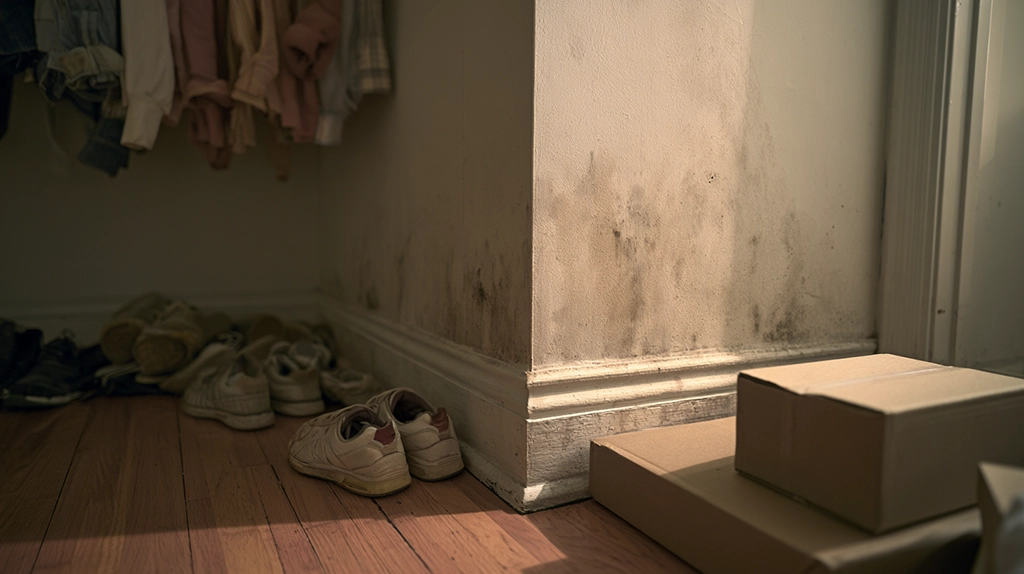
When most people hear the word “mold,” they imagine fuzzy bread, black spots in bathroom corners, or the musty odor of a damp closet during the rainy season. These examples are obvious, but mold doesn’t stop there. In fact, mold spores are everywhere—floating in the air, clinging to dust, and even hitchhiking on our skin and clothing. Like tiny seeds, they only need the right environment to germinate. Once moisture, warmth, and a trace of nutrients are present, mold quietly takes root. That’s why many corners of our daily lives, which appear clean, can actually be mold’s favorite hiding places.

The Simple Recipe for Mold Growth
Mold doesn’t require much to thrive. Three key ingredients are enough: moisture, temperature, and nutrients. Moisture and warmth are easy to understand—humid climates or poorly ventilated rooms provide the perfect setting. But the most overlooked factor is nutrition.
Contrary to popular belief, mold doesn’t need chunks of leftover food to survive. Even the smallest traces of sweat, skin flakes, oils, or saliva can sustain mold colonies. What looks invisible to us can be a feast for fungi. This means that even if your home is spotless in the conventional sense, spores can still find what they need to grow in overlooked corners.
The Hidden Spots in the Kitchen
The kitchen, unsurprisingly, is mold’s playground. But beyond spoiled food, there are several less obvious hot spots.
- Cutting boards and knife grooves: Wooden and plastic cutting boards develop fine scratches from daily use. These grooves trap water and food juices, providing a moist and nutrient-rich space where spores quickly germinate.
- Refrigerator seals and drip pans: Refrigerators feel safe because of the cold, but temperature alone doesn’t eliminate risk. Rubber door seals often collect condensation and traces of spilled juice or sauces. Meanwhile, the drip pan at the back is constantly damp and rarely cleaned, creating a hidden reservoir for mold. That faint “fridge smell” people sometimes notice often comes from here, not from the food itself.
Hidden Corners in Living Spaces
Beyond the kitchen, living rooms and bedrooms also harbor mold in unexpected places.
- Air conditioners and dehumidifier tanks: These devices constantly collect condensation. When water sits for too long, combined with airborne dust and particles, they become perfect breeding grounds for mold and bacteria.
- Sofas and cushions: Upholstered furniture absorbs sweat, body oils, and skin flakes. Inside, cotton or foam fillings retain moisture, particularly in humid climates. From the outside, the sofa may look pristine, but inside, mold can spread undetected.
Personal Items as Mold Havens
Some of the objects we carry or use every day are surprisingly vulnerable.
- Headphone foam covers: In close contact with skin, they absorb sweat and oils. Because the foam material dries slowly, spores can easily colonize it.
- Eyeglass cases: Though seemingly harmless, they accumulate skin flakes and oils over time. Inside the closed, dark environment, mold spores thrive unnoticed.
- Toothbrush holders and rinse cups: These are almost always damp. Residual saliva, toothpaste foam, and standing water make them tiny greenhouses for mold growth.
Objects We Rarely Use but Often Forget
Then there are items we don’t interact with daily, which makes them even riskier.
- Suitcases and storage boxes: Left untouched in storage rooms for months, their fabric linings absorb ambient humidity. Add in the dust and skin flakes they inevitably collect, and you have a perfect environment for mold. The surprise of opening a suitcase to find mold spots is all too common in humid regions.
Why Do We Overlook These Places?
The answer is simple: these spots are hidden, inconvenient to clean, or low on our priority list. Knife grooves are hard to scrub, refrigerator seals are out of sight, and sofa interiors are nearly impossible to check without effort. Human habits tend to focus on what looks visibly dirty. But mold doesn’t need obvious dirt—it thrives on the smallest, invisible traces. And because spores are always present, they only need a neglected corner to gain a foothold.
How to Stop Mold Before It Starts
Preventing mold doesn’t require drastic measures, but it does take consistency.
- Keep things dry: Always dry surfaces and objects after use. Empty tanks, wipe seals, and let cups or boards air out fully.
- Deep clean regularly: Scrub grooves, soak removable parts, or dismantle items when possible to reach hidden corners.
- Choose smart materials: Pick designs and materials that resist mold, such as removable silicone gaskets or washable fabrics.
- Replace when necessary: If an object has persistent mold stains or odors that won’t go away, replacement is safer than endless cleaning.
These simple habits cut off mold’s access to its three key resources—moisture, warmth, and nutrients.
Mold Grows Where We Least Expect It
Mold is not confined to abandoned houses or damp caves—it lives with us every day. Spores are omnipresent, and even hidden in household dust they can trigger allergic sensitization in children. Given the right conditions, they will grow silently in overlooked corners.
Rather than waiting for black spots or musty odors to appear, we can take action by regularly inspecting and cleaning these hidden corners. With a little extra care, we prevent spores from turning into colonies, protecting both our health and the comfort of our living spaces. Mold may be everywhere, but its growth doesn’t have to be inevitable.
References
Academic / Official Sources
- EPA – Mold and Health
- NCBI – Microbial contamination in humidifiers
- NCBI – Childhood exposure to mold and allergy risk
Key Takeaways
- Mold spores are ubiquitous in both indoor and outdoor air, but indoor mold growth—producing actively spreading colonies—is qualitatively different from baseline environmental spore exposure.
- Common indoor mold hotspots where growth is most likely to go undetected include: behind refrigerators, inside wall cavities behind sinks and showers, under-flooring near exterior walls, in HVAC ductwork, and inside window frames.
- Mold can grow on virtually any organic surface including paper, drywall, wood, textile fibres, grout, and even seemingly inorganic surfaces with accumulated organic dust.
- Indoor mold counts above 1,000 colony-forming units per cubic metre of air are considered elevated in many assessment frameworks, though no universally accepted threshold exists.
- Musty odour is a reliable indicator of active mold growth even when no visible mold is apparent—the smell comes from microbial VOCs produced by metabolically active mold colonies.
Frequently Asked Questions
How many mold spores are normally in indoor air?
Background indoor mold spore counts in healthy buildings typically range from 200–500 colony-forming units per cubic metre (CFU/m³) in total, reflecting the ambient outdoor spore load that enters through ventilation, doors, and windows. Total counts vary significantly by season (higher in late summer and autumn when outdoor sporulating fungi are active), geography, and weather conditions. Elevated indoor mold growth is typically indicated when: indoor total spore counts exceed 1,000 CFU/m³ in most assessment frameworks; indoor counts are significantly higher (typically 3× or more) than outdoor counts sampled simultaneously; or specific indicator species (such as Stachybotrys chartarum, Chaetomium globosum) are detected indoors that are not typically found at significant levels outdoors—these suggest indoor water damage sources.
Where is mold most likely to be growing hidden in my home?
The most common locations for hidden mold growth in residential buildings include: inside wall cavities behind bathroom tiles where waterproofing has failed; under bathroom or kitchen floor coverings where water has infiltrated; inside exterior wall cavities where roof or window leaks have introduced moisture; behind or under kitchen appliances (refrigerators, dishwashers) where water supply line leaks go unnoticed; in basement floor systems and wall bases where groundwater infiltrates; inside air handling units and ductwork, particularly condensate drain pans; inside insulated wall cavities where thermal bridging causes interstitial condensation; and under floor coverings adjacent to exterior doors where rain or snow is tracked in. Persistent musty odour in a specific room, without visible mold, should prompt investigation of hidden sources.
Can mold grow on inorganic materials?
True inorganic materials (glass, metals, ceramics, plastics) do not themselves provide nutrition for mold—mold needs organic carbon for growth. However, in practice, surfaces that appear inorganic almost always accumulate thin films of organic material (skin cells, pollen, dust, food residue, soap scum) that provide sufficient nutrition for mold to establish. This is why mold commonly grows on apparently ‘clean’ window sills, window frame rubber seals, bathroom tile grout (the grout mineral itself doesn’t feed mold, but organic residue in grout pores does), plastic surfaces, and metal fixtures. The key variable is surface moisture: a uniformly dry metal, glass, or plastic surface will not support mold, but the same surface that collects condensation or is occasionally wet will develop mold even with minimal organic contamination.
What are the most reliable signs of hidden mold growth?
The most reliable signs suggesting hidden mold growth include: persistent musty, earthy, or mildew odour that cannot be attributed to visible sources—this is the most sensitive indicator of active mold metabolism; unexplained health symptoms (nasal congestion, coughing, headaches) that improve when away from home and worsen on return; visible staining or discolouration on walls, ceilings, or floors without known source—particularly brown or grey staining on drywall; visible mold on grout, caulk, or surfaces in wet areas, which typically indicates more extensive growth behind those surfaces; structural indicators such as bubbling paint, soft or springy drywall, warped wood panelling, or buckled flooring—signs of moisture damage that typically precede or accompany mold growth; and recurring respiratory illnesses or allergies in multiple occupants that are worse at home.
What is the difference between mold remediation and mold removal?
‘Mold removal’ is technically a misnomer—mold spores are omnipresent in the environment and cannot be ‘removed’ from a space in the sense of eliminating all mold organisms. Mold remediation refers to the process of: identifying and eliminating moisture sources that enable mold growth; physically removing mold-contaminated materials that cannot be cleaned (drywall, insulation, carpet); cleaning mold from cleanable surfaces using appropriate methods (HEPA vacuuming, damp wiping with cleaning agents); and achieving mold levels in the remediated space comparable to or below background outdoor levels. ‘Mold removal’ products and services that claim to eliminate mold from a home are often misleading if they do not address moisture sources—mold will inevitably return regardless of treatment if the conditions enabling growth are not corrected.