According to THE WASHINGTON POST
I. The Growing Imperative for Food Safety Vigilance
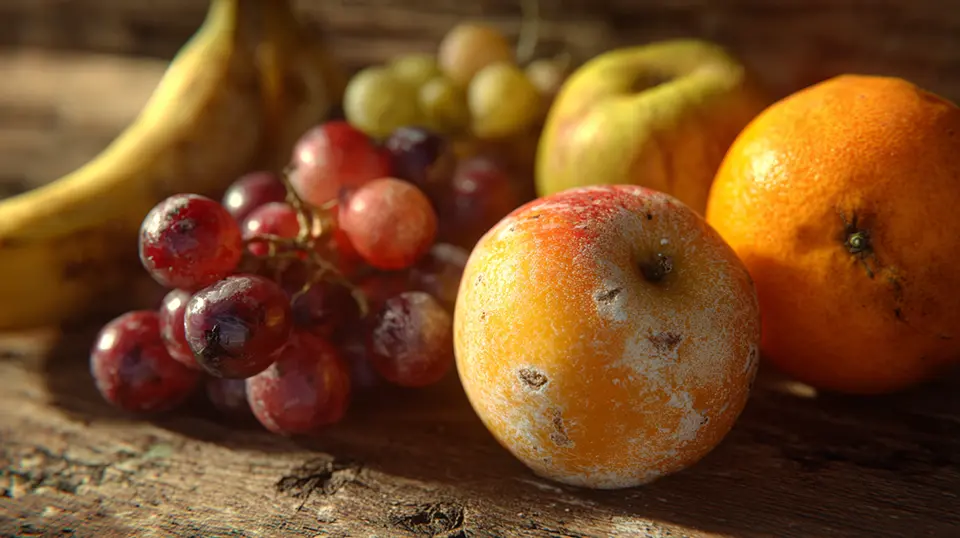
The sight of mold on food is a common household occurrence, often dismissed with a quick trim of the affected area. However, a recent analysis by toxicologists — as reported by The Washington Post — underscores that this seemingly harmless biological process is a gateway to severe health risks. The findings challenge the casual approach many consumers take toward food spoilage, urging immediate and uncompromising action to safeguard public health.
The core of the danger lies not just in the visible fuzzy growth but in the mycotoxins — potent chemical compounds produced by molds — and the rapid proliferation of dangerous bacteria in spoiled organic materials. Experts caution that the line between benign aging and dangerous spoilage is far sharper and less visible than generally assumed, making vigilance paramount.
Source: Wikimedia Commons, CC BY-SA 3.0
II. Mycotoxins: Invisible Pathways to Severe Disease
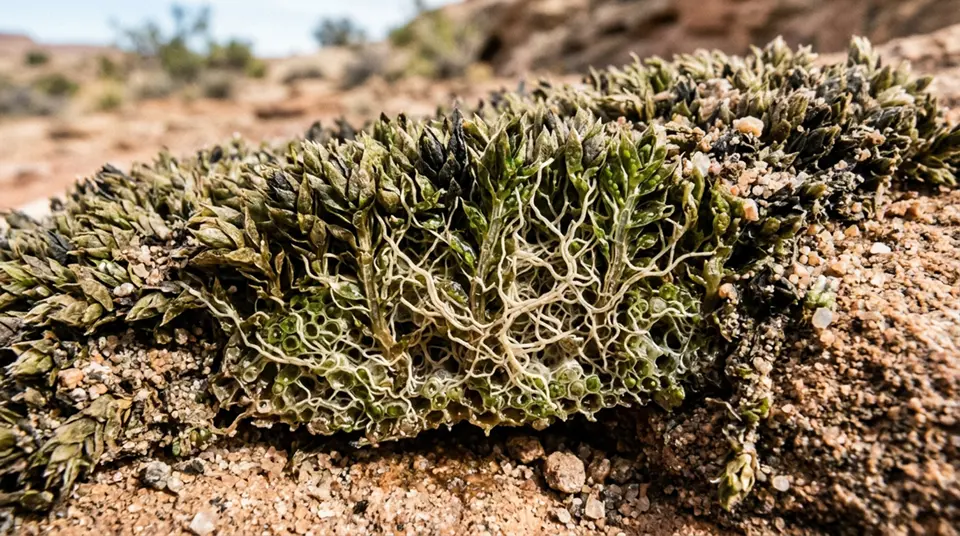
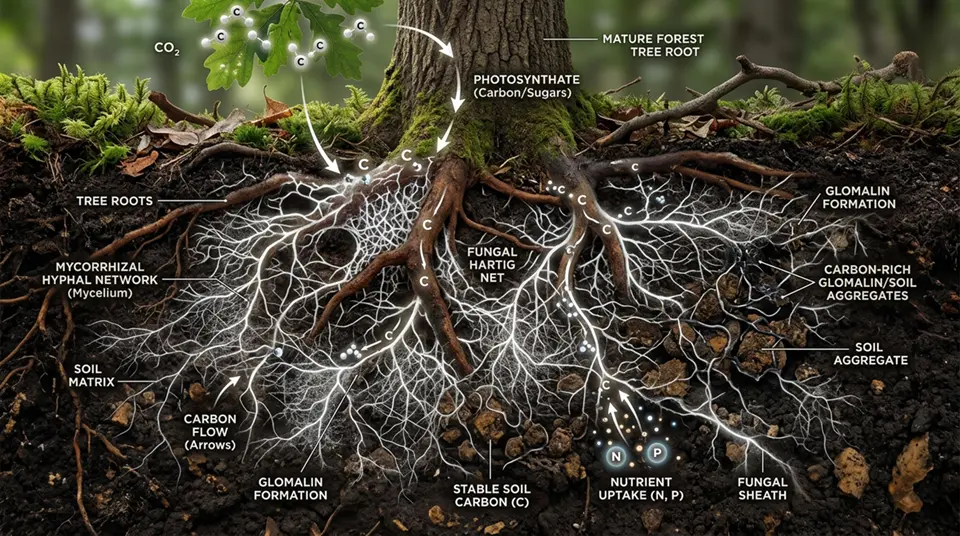
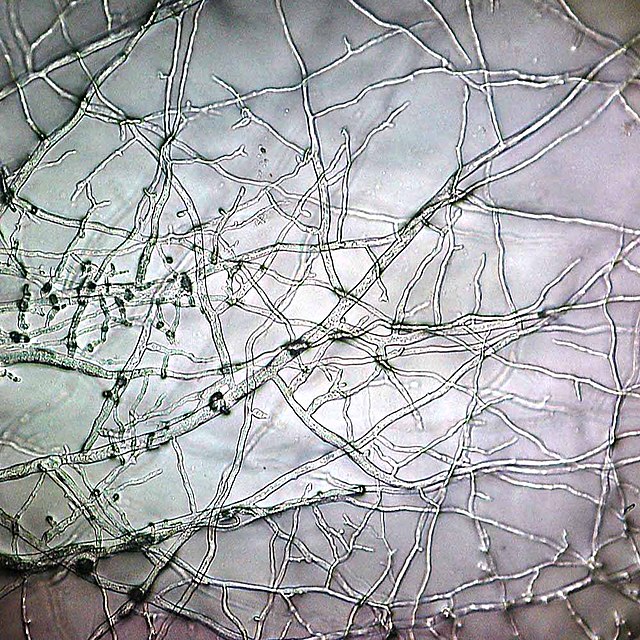
The most insidious threat from moldy food is the formation of mycotoxins, which are chemically stable and can survive long after the mold itself appears. Unlike surface-level mold, the fungal organism employs microscopic, root-like structures called hyphae to infiltrate food deeply. This means that a toxin can be present throughout a food item even if only a small, superficial patch of mold is visible.
Toxicological research has identified several classes of mycotoxins with distinct and alarming effects on human biology.
A. The Carcinogenic Threat: Aflatoxins
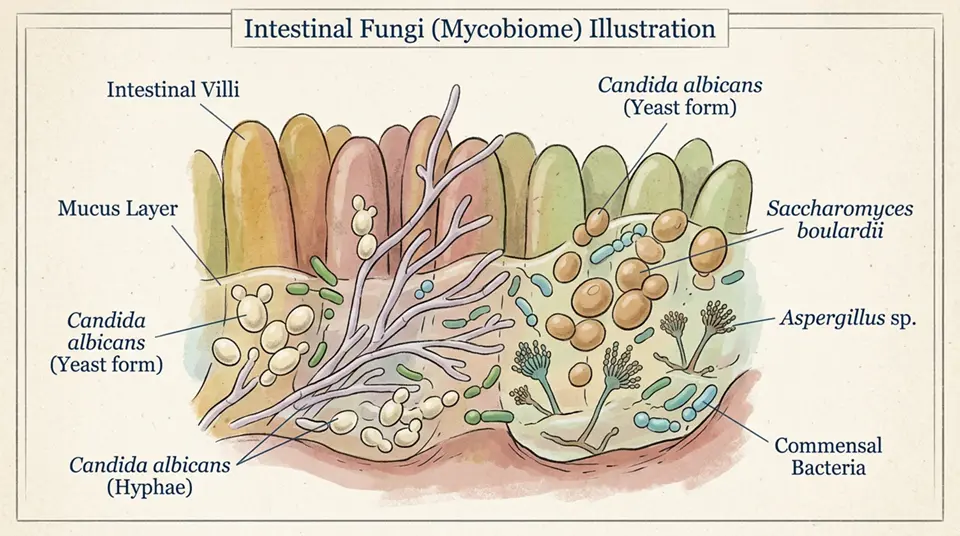
Aflatoxins represent one of the greatest dangers. Produced by Aspergillus fungi, particularly A. flavus and A. parasiticus, these toxins frequently contaminate staple foods like corn, peanuts, rice, and sorghum.
Mechanism of Harm: Aflatoxins form molecules called epoxides that directly bind to and damage DNA, leading to mutations.
Health Outcome: Repeated exposure is strongly linked to chronic liver damage and is a potent risk factor for liver cancer, especially in individuals with pre-existing conditions like Hepatitis B. Experts unequivocally state that for aflatoxins, there is no established safe level of exposure.
B. Cell Damage and Organ Toxicity
Other fungal genera produce toxins that target fundamental cellular processes and major organs:
Patulin: Produced by Penicillium expansum, the “blue mold” notorious for infecting bruised fruits such as apples, pears, and peaches. Patulin interferes with cellular enzymes, leading to oxidative stress that damages DNA, proteins, and fats. At high doses, it can harm the kidneys, liver, and digestive tract.
Fusarium toxins: Fusarium fungi produce trichothecenes and fumonisin B1.
- Trichothecenes cause immediate cellular damage and irritate the digestive tract.
- Fumonisin B1 disrupts cell membrane integrity, harming the liver and kidneys long-term.
Nerve and Muscle Impairment: Certain Penicillium species produce cyclopiazonic acid, a mycotoxin that disturbs calcium flow across membranes, impairing muscle and nerve function and potentially causing tremors or neuromuscular dysfunction.
III. The Dual Threat of Bacterial Spoils
While mycotoxins pose long-term risks, spoiled meats and improperly canned goods introduce immediate, acute dangers from bacterial toxins, which can trigger rapid, life-threatening illnesses.
Botulinum Toxin: Produced by Clostridium botulinum in oxygen-free environments. Recognized as one of the most potent biological poisons, it causes paralysis and is lethal in minute quantities.
Shiga Toxin: Produced by Escherichia coli (E. coli), this toxin halts protein synthesis in cells and can lead to Hemolytic Uremic Syndrome — a severe form of kidney disease.
Decomposition By-products: The unpleasant odors from decomposing meat stem from cadaverine and putrescine — compounds that, while warning of spoilage, can also cause nausea, cramps, and headaches.
IV. The Toxicologist’s Mandate: Strict Discarding
The expert consensus is clear: consumers must abandon the habit of “cutting off the moldy part.”
Mycology shows that if mold is visible on soft, porous foods (fruit, bread, soft cheese), its hyphae have already penetrated deeply, possibly releasing toxins into areas that appear clean.
Key Consumer Safety Guidelines:
- Discard Porous Foods: Any visible mold on soft fruits, breads, cheeses, or deli meats → discard the entire product.
- Inspect Grains and Nuts: Moldy, shriveled, or foul-smelling grains may harbor aflatoxins.
- Recognize High-Risk Foods: Spoiled meats or unsealed canned goods can harbor botulinum toxin — a zero-tolerance risk.
- No Safe Threshold: Given the ubiquity of mold spores and variable sensitivity, precaution is the only safe policy.

Source: Wikimedia Commons, CC BY-SA 4.0
This research serves as a forceful reminder that sustainability and waste reduction must never compromise health. The invisible microbial poisons in spoiled food demand zero compromise and informed consumer vigilance.
References
- WHO (2023). Mycotoxins Fact Sheet.
- CDC (2024). Botulism and Foodborne Toxin Prevention.
- FAO/WHO (2023). Mycotoxin Contamination and Food Safety Guidelines.
According to THE WASHINGTON POST
Key Takeaways
- Toxicologists warn that simply trimming visible mould from food is insufficient: mycotoxins—toxic compounds produced by mould—can penetrate millimetres to centimetres into soft foods beyond the visible mould zone.
- Mycotoxins are heat-stable: cooking or microwaving mouldy food does not destroy the toxins, only the visible fungal growth.
- The most dangerous food mycotoxin is aflatoxin B1, classified as a Group 1 carcinogen by the IARC; it is produced by Aspergillus flavus and Aspergillus parasiticus on nuts, grains, and dried fruits.
- The USDA recommends discarding all soft foods (berries, bread, yoghurt, deli meats) if any mould is visible; only certain hard cheeses and firm vegetables can safely have mould cut away with a 2.5 cm margin.
- Mouldy food also presents bacterial risks: spoilage conditions that support mould growth often simultaneously support the proliferation of dangerous bacteria including Salmonella and Listeria.
Frequently Asked Questions
Is it safe to eat food with the mouldy part cut off?
It depends entirely on the food type. The USDA Food Safety and Inspection Service recommends discarding soft or high-moisture foods (bread, berries, yoghurt, soft cheeses, deli meats, cooked leftovers) entirely if any mould is visible, because mycotoxins penetrate deeply into these textures. For hard cheeses and firm vegetables (carrots, cabbage, bell peppers), cutting away the mould with a 2.5 cm (1 inch) margin is considered safe. The general principle: when in doubt, throw it out.
What are mycotoxins and why are they dangerous?
Mycotoxins are secondary metabolites—toxic chemical compounds—produced by certain mould species as they grow on food. They are distinct from the mould itself and cannot be seen, smelled, or tasted. Mycotoxins can cause acute illness (nausea, vomiting, liver damage at high doses) and, with chronic low-level exposure, are linked to carcinogenesis, immunosuppression, and kidney damage. Aflatoxin B1, produced by Aspergillus species on peanuts and cereals, is classified as one of the most potent naturally occurring carcinogens known.
Does cooking destroy mould toxins in food?
No. Mycotoxins are notably heat-stable: cooking, boiling, or microwaving food contaminated with mycotoxins does not render it safe. Temperatures required to chemically degrade aflatoxins, for example, exceed 250–300°C—well above those achieved in normal cooking. Visual elimination of the mould through cooking does not eliminate the toxins it has already deposited in the food matrix.
Which foods are most commonly contaminated with dangerous mycotoxins?
Foods most frequently associated with significant mycotoxin contamination include: peanuts and peanut butter (aflatoxins, from Aspergillus flavus); maize/corn (fumonisins, from Fusarium moniliforme; aflatoxins); wheat and cereals (deoxynivalenol/DON, from Fusarium graminearum); dried fruits and tree nuts (ochratoxin A, from Aspergillus ochraceus); and apple juice (patulin, from Penicillium expansum). Regulatory limits for mycotoxins in food are established by the EU, FDA, and Codex Alimentarius Commission.
How can I prevent mould growth on food at home?
Key strategies include: refrigerating perishable foods promptly (below 4°C significantly slows mould growth); using airtight containers to reduce moisture and spore exposure; not storing bread in plastic bags at room temperature (promotes moisture retention); inspecting fruit and vegetables regularly and removing any showing mould before it spreads to adjacent items; keeping refrigerator interiors clean and dry; and adhering to use-by dates, particularly for processed meats and dairy.