
What Taiwan’s First Local Case of Valley Fever Tells Us About Mold Risks in a Globalized World
When people hear the word “mold,” they usually think of damp bathrooms, water-damaged walls, or food forgotten at the back of the refrigerator. But the world of fungi is far larger and far more mobile than most of us realize.
In late 2025, Taiwan Centers for Disease Control (CDC) confirmed the island’s first locally acquired case of coccidioidomycosis, also known as Valley Fever . The diagnosis caught public attention not because the disease is contagious, but because it revealed how a fungus normally associated with distant deserts can appear in places where it was never expected.

What Is Valley Fever?
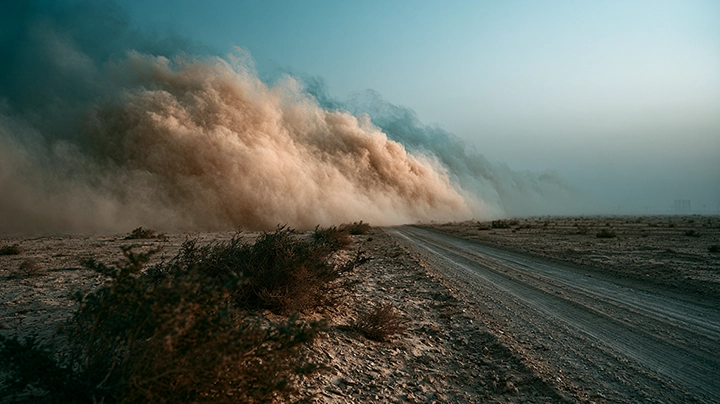
Valley Fever is caused by Coccidioides, a group of soil-dwelling fungi native to arid regions such as the southwestern United States, northern Mexico, and parts of Central and South America . These fungi thrive in dry soil. When the ground is disturbed by construction, wind, or industrial activity, microscopic fungal spores can become airborne and inhaled.
For many people, infection causes mild or flu-like symptoms such as fever, cough, chest discomfort, and fatigue. In some cases, symptoms resolve without treatment. However, in individuals with weakened immune systems, the infection can spread beyond the lungs, leading to severe and potentially life-threatening disease .

Why a Local Case Matters
The patient identified in Taiwan was a man in his fifties with no history of overseas travel. This is what makes the case significant. Health authorities believe the infection was linked to occupational exposure, most likely during the cleaning or maintenance of shipping containers. Dust contaminated with fungal spores may have been inhaled during work.
This finding highlights a modern reality of infectious disease ecology:
pathogens do not always travel with people. They can travel with goods.
In an era of global trade, shipping containers, raw materials, and industrial equipment can unintentionally transport microorganisms across continents. While this does not mean the fungus has established itself in Taiwan’s environment, it demonstrates how global logistics can introduce unexpected biological risks.

Is Valley Fever Contagious?
No. Valley Fever does not spread from person to person. Infection occurs only through inhalation of environmental spores . The general public is not at risk through casual contact, shared spaces, or daily social interactions.
This point is important, as fungal diseases often generate unnecessary fear. Awareness, not alarm, is the appropriate response.
Who Should Be More Cautious?
Health officials emphasize that certain groups should be especially attentive:
- Workers involved in shipping container cleaning, repair, or demolition
- Individuals exposed to dusty or soil-contaminated environments
- People with weakened immune systems, including those with chronic illness or undergoing immunosuppressive treatment
Proper respiratory protection, dust control measures, and early medical evaluation of persistent respiratory symptoms are key preventive steps.
A Broader Lesson About Mold
This case is not a sign of an impending outbreak. Instead, it serves as a reminder that fungi are part of a complex environmental system that intersects with climate, labor practices, and global commerce.
Mold is often treated as a minor household nuisance, but certain species can pose serious health risks under the right conditions. As climate patterns shift and international trade continues to expand, understanding fungal exposure and prevention will become increasingly important for public health.
Some molds grow quietly in bathrooms.
Others ride across oceans in steel containers.
The difference lies not in where they come from, but in whether we recognize the risks before they take us by surprise.
References
Official & Public Health
- Taiwan Centers for Disease Control (CDC). Local Case of Coccidioidomycosis Report.
- U.S. Centers for Disease Control and Prevention (CDC). Valley Fever (Coccidioidomycosis).
https://www.cdc.gov/fungal/diseases/coccidioidomycosis/
Scientific & Educational
- Coccidioides — Wikipedia.
https://en.wikipedia.org/wiki/Coccidioides
Key Takeaways
- But the world of fungi is far larger and far more mobile than most of us realize.
- The diagnosis caught public attention not because the disease is contagious, but because it revealed how a fungus normally associated with distant deserts can appear in places where it was never expected.
- For many people, infection causes mild or flu-like symptoms such as fever, cough, chest discomfort, and fatigue.
- The patient identified in Taiwan was a man in his fifties with no history of overseas travel.
- This finding highlights a modern reality of infectious disease ecology:pathogens do not always travel with people.
Frequently Asked Questions
What should you know about please login to bookmark?
Please login What Taiwan’s First Local Case of Valley Fever Tells Us About Mold Risks in a Globalized World When people hear the word “mold,” they usually think of damp bathrooms, water-damaged walls, or food forgotten at the back of the refrigerator. But the world of fungi is far larger and far mor
What Taiwan’s First Local Case of Valley Fever Tells Us About Mold Risks in a Globalized World?
When people hear the word “mold,” they usually think of damp bathrooms, water-damaged walls, or food forgotten at the back of the refrigerator. But the world of fungi is far larger and far more mobile than most of us realize.
What Is Valley Fever?
Valley Fever is caused by Coccidioides, a group of soil-dwelling fungi native to arid regions such as the southwestern United States, northern Mexico, and parts of Central and South America . These fungi thrive in dry soil. When the ground is disturbed by construction, wind, or industrial activ
Why a Local Case Matters?
The patient identified in Taiwan was a man in his fifties with no history of overseas travel. This is what makes the case significant. Health authorities believe the infection was linked to occupational exposure, most likely during the cleaning or maintenance of shipping containers. Dust c
Is Valley Fever Contagious?
No. Valley Fever does not spread from person to person. Infection occurs only through inhalation of environmental spores . The general public is not at risk through casual contact, shared spaces, or daily social interactions.