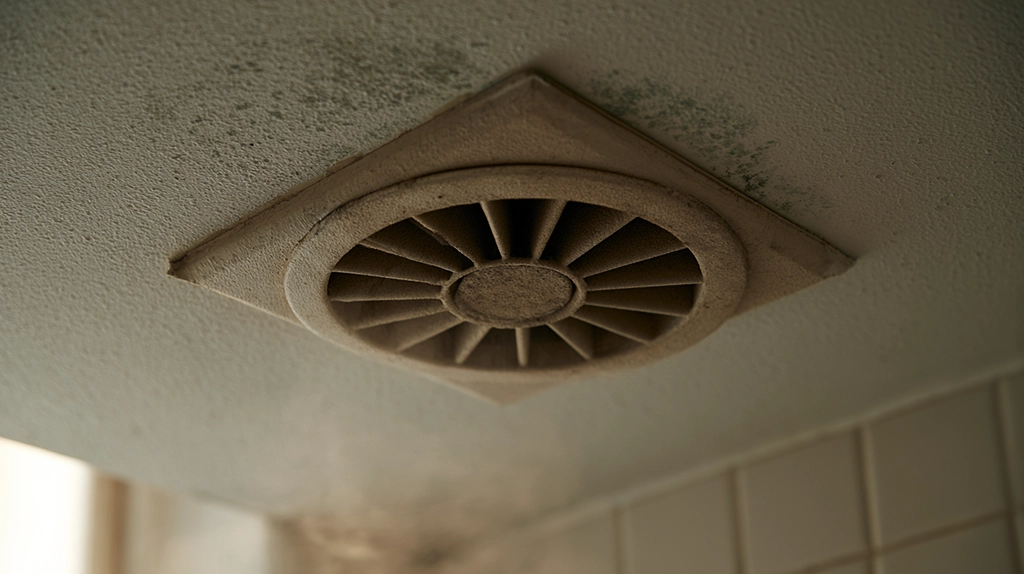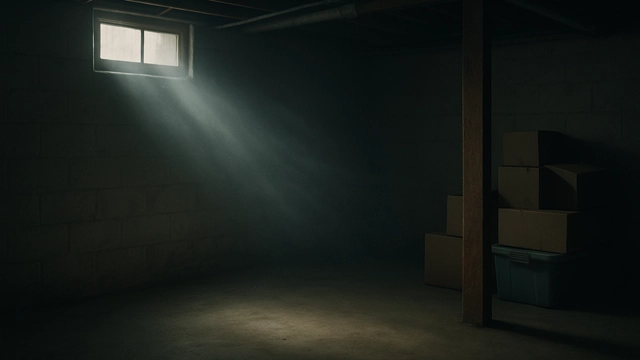

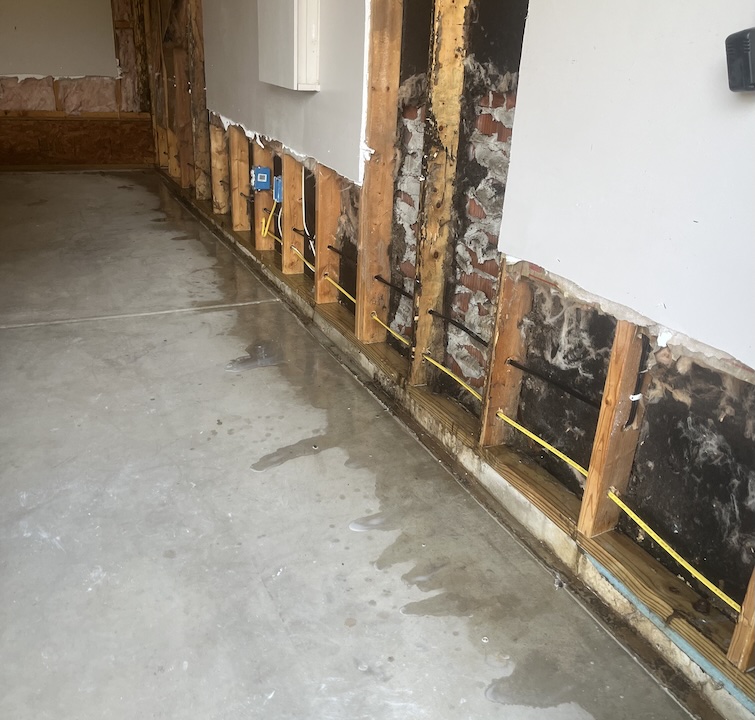

You walk downstairs to grab something, notice the air feels heavy and a little sour, but the walls still look fine: no green fuzz, no black spots, nothing you can point at. You shrug and go back up. Weeks later the stains finally appear, the wood is soft, the paint is bubbling and the cardboard boxes in the corner have slumped. By the time your eyes confirm “yes, this is mold,” it has already been busy for quite a while.
Mold speaks first. We just do not understand it.
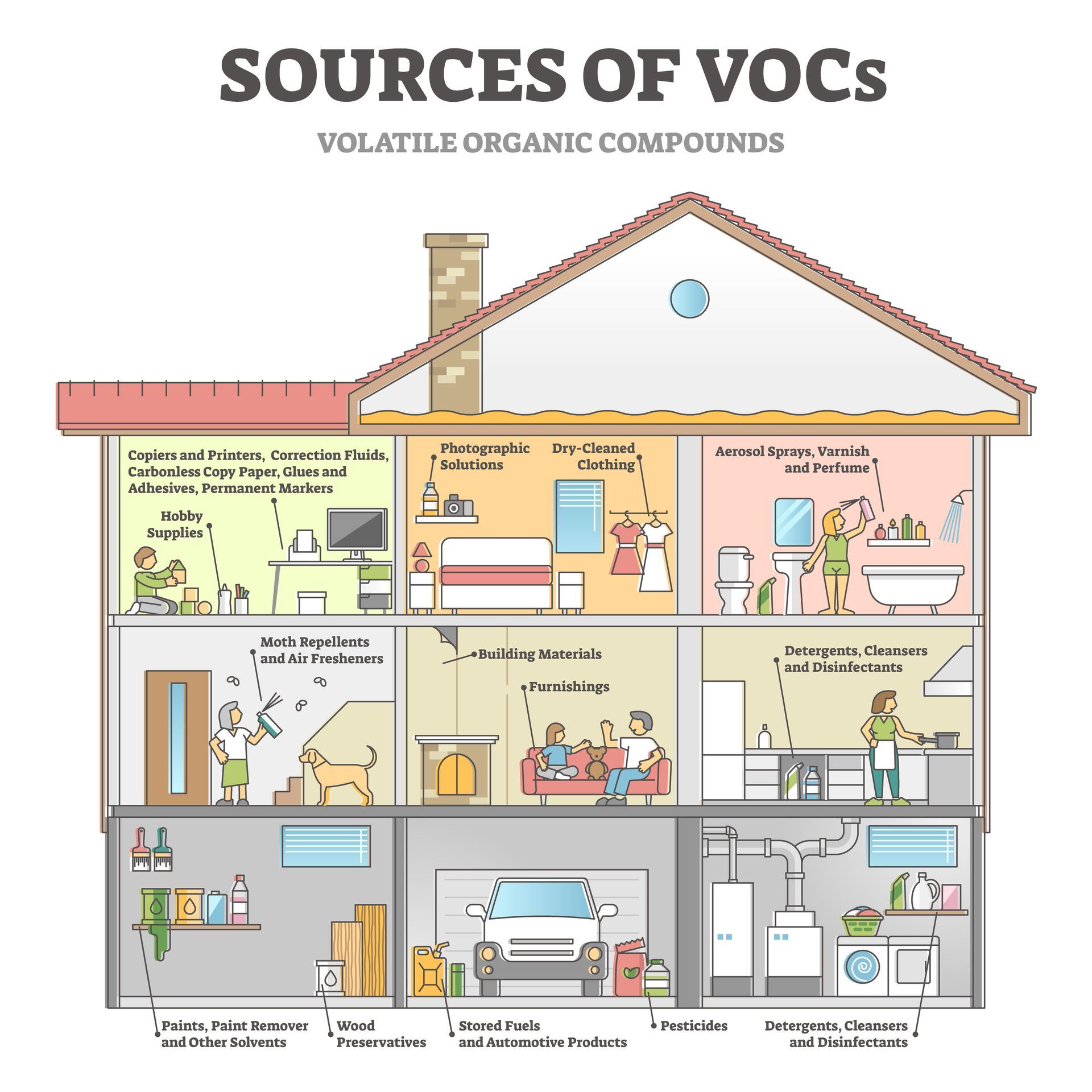
Growing mold is not actually quiet. As it feeds and spreads, it releases tiny chemicals into the air. These drifting molecules are what your nose calls a musty smell. In scientific language, they belong to a large family called volatile organic compounds, or VOCs.
Different fungi breathe out different mixtures of VOCs, with some producing more earthy notes and others leaning towards sharp or sour tones, while some end up in that familiar category of “damp cardboard in a forgotten corner.” If you record those mixtures carefully, each species has something like a scent fingerprint.
Our nose is not good at reading those fingerprints. It can complain that “something smells off” but it struggles to say which mold is responsible, where it is hiding or how close we are to the source. That is where the new research steps in.
Turning smell into data: the electronic nose


In the Scensory study, the researchers try a simple but powerful move: if human noses are vague, build an electronic one that treats smell as data.
This electronic nose is not a fake plastic nose. It is a small board carrying several gas sensors and a temperature and humidity sensor, wired to a tiny computer. Each gas sensor has its own bias. Some respond strongly to alcohols, others to sulfur compounds or nitrogen oxides, and others to formaldehyde or mixed pollutants. When air passes over the board, all of these sensors change their signals in slightly different ways, producing a pattern of numbers that captures how the air “smells” to the device.
The team then feeds those numeric patterns into a deep learning model — training it to connect “this pattern of sensor responses” with “that mold species.” In other words, they are not looking at spores under a microscope or running DNA tests. They are watching how the air changes and asking a neural network to translate those changes into a guess about which fungus is active and where it is.
Putting the nose on wheels
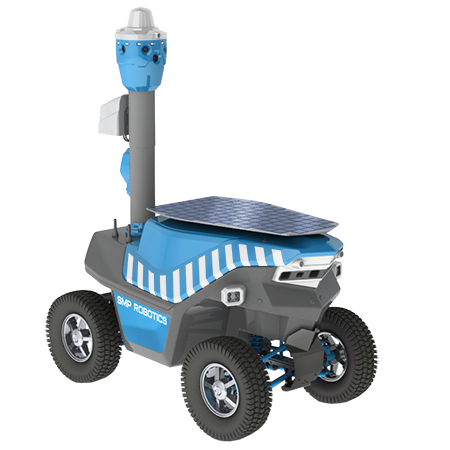
The system they built, called Scensory, combines this cheap sensor board with machine learning and, in one setup, a small robot platform. They tested it in two modes.
In the first mode, they mounted six identical sensor arrays inside a small test chamber, roughly the size of a large crate, and let mold grow on plates placed in different positions. All six arrays sniffed the air at the same time from different sides of the space. The model then had to answer two questions: which of five mold species is currently growing, and from which side of the chamber the VOCs seem to come.
In the second mode, they stripped it back to a single sensor array and attached it to a little wheeled robot that could move across the floor. Now the system’s job became harder. As the robot drove around, it had to infer which species was likely present, from which general direction the source lay, and roughly how far away that source was, based only on the changing air patterns at one moving point.
The fungi they chose for the experiments are not exotic monsters. They are the kind of molds you might meet in damp basements, on wet wood or in contaminated soil: quiet specialists in turning moisture and organic matter into soft, discolored surfaces.
How good is it now? A junior mold detective, not a superhero

In the controlled chamber with six fixed sensor arrays, Scensory only needed a few seconds of measurements to make its decisions. Under those conditions, it identified the correct mold species in roughly eight or nine out of ten trials and could usually tell which side of the chamber the growth was on. It did not pinpoint an exact spot but it could say “this quadrant is more suspicious than the others,” which is enough to choose a wall or corner to inspect first.
Things became more challenging in robot mode. With only one sensor board riding around the space, the model had less information. Its guesses about the exact species became less reliable, and closely related molds with similar scent fingerprints were often confused. Even so, one result stood out: by looking at how the readings changed as the robot moved, the system could estimate the distance to the mold source with an average error on the order of ten centimeters.
In a real building, ten centimeters is not surgical precision, but it is already practical. If you know you should open this segment of ceiling rather than that one, or move this stack of boxes instead of searching the entire room, that guidance saves time, money and guesswork.
Right now, Scensory behaves like a junior mold detective trained in a familiar classroom. In simple, well controlled spaces it gives useful answers and points to the right region, but it is not ready to solve every case in a messy real-world building.
If it matures, where could it live?

If systems like this become more robust, sensor boards more durable and the training data broad enough to cover many common indoor molds, everyday scenes could change.
You could imagine homes that quietly run self-check routines. Small sensor units in the basement, attic or service shafts watch the air patterns over weeks and months. When the signature starts to drift from “normal background” towards “active mold growth,” your phone receives a message that a particular zone is becoming risky and might need a check for leaks, condensation or forgotten cardboard.
Warehouses and archives are another natural habitat. Storage for food, textiles, paper or artworks all fear slow, invisible mold outbreaks. Electronic noses tucked between aisles or behind shelves would not have to open boxes or touch fragile objects. They would simply register when the long-term smell profile of a bay shifts in a way that matches early fungal activity, prompting staff to intervene before stains appear on packaging or canvas.
You can also picture small patrol robots in basements or parking levels, rolling the same loop every day. Most days they merely update a baseline map of how the air normally behaves. When a corner starts to look different on the VOC map, the robot flags that spot. Maintenance workers no longer have to wander around asking “where is that smell coming from” because the system has already narrowed down the search.
These scenarios will not arrive tomorrow. Real buildings are full of competing signals: perfume, cleaning agents, fresh paint, exhaust, cooking fumes and seasonal outdoor air all mix together. To cope with that complexity, an electronic nose needs bigger datasets, smarter ways to reject interference and years of testing outside the lab. Scensory is not a finished product. It is a clear proof that the approach can work at all.
From ugly stains to readable signals
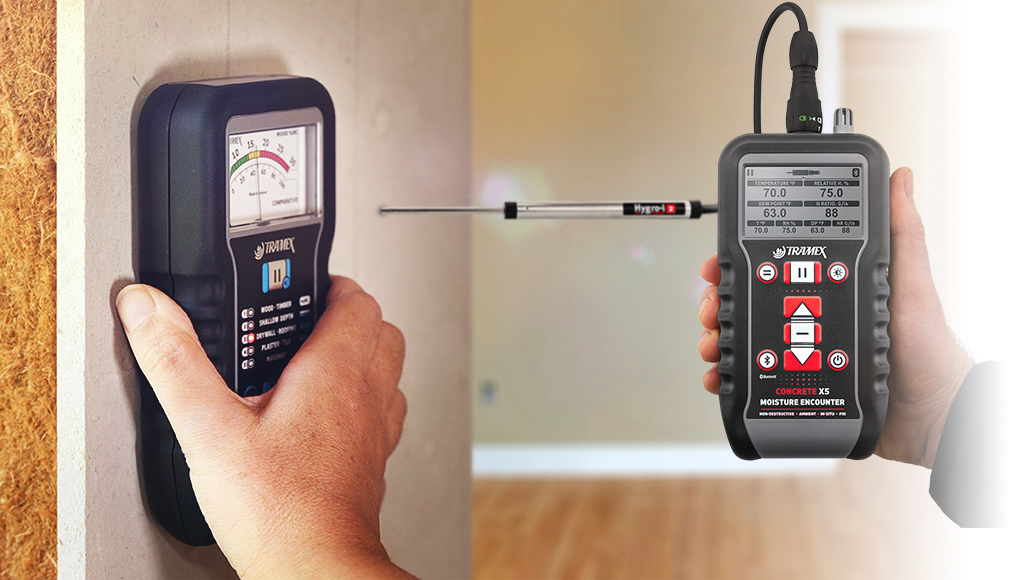
For most of us, mold has long been treated as a cosmetic and nuisance problem: dark rings on paint, fuzzy corners in the bathroom, patches on the ceiling that keep coming back. We scrub, repaint and complain about the smell.
This research suggests a different way to think about it. Mold becomes an environmental signal that can be measured, logged and even mapped. Its smell turns from a vague annoyance into something a building can notice and report about itself.
If, in the future, every serious building inspection came with a simple “mold health report” based on months of VOC data rather than a single visit with a flashlight, would you want to see it before you sign a lease or mortgage? A report that shows how the fungal signals behave in the rainy season, and which corners have raised suspicions in the past, could easily become part of how we define a healthy building.
At that point, mold would no longer be just a surprise patch on the wall. It would be a risk we track like temperature or humidity: something visible in the data, something we can manage long before the spots appear.
References
Academic / Technical
- Wilson AD. Review of electronic-nose technologies and algorithms to detect hazardous VOCs. Sensors.
- Röck F, Barsan N, Weimar U. Electronic nose: current status and future trends. Chemical Reviews.
- Pandey SK et al. VOC emissions from fungi and their role in indoor air quality. Environmental Research.
Official Sources
- U.S. Environmental Protection Agency (EPA) — Indoor Air Quality & Mold Resources
- CDC — Mold & Fungal Disease Information
- NIST — Sensor technology and VOC detection standards
Image Sources (CC0 / CC BY / Public Domain)
All images sourced from:
Pixabay (CC0), Unsplash (CC0), Wikimedia Commons (CC0/CC BY), Rawpixel (CC0).
Key Takeaways
- Please login You walk downstairs to grab something, notice the air feels heavy and a little sour, but the walls still look fine: no green fuzz, no black spots, nothing you can point at.
- We just do not understand it.Growing mold is not actually quiet.
- It can complain that “something smells off” but it struggles to say which mold is responsible, where it is hiding or how close we are to the source.
- Some respond strongly to alcohols, others to sulfur compounds or nitrogen oxides, and others to formaldehyde or mixed pollutants.
- They tested it in two modes.In the first mode, they mounted six identical sensor arrays inside a small test chamber, roughly the size of a large crate, and let mold grow on plates placed in different positions.
Frequently Asked Questions
What should you know about academic / Technical?
All images sourced from:Pixabay (CC0), Unsplash (CC0), Wikimedia Commons (CC0/CC BY), Rawpixel (CC0).
What should you know about official Sources?
All images sourced from:Pixabay (CC0), Unsplash (CC0), Wikimedia Commons (CC0/CC BY), Rawpixel (CC0).
What should you know about image Sources (CC0 / CC BY / Public Domain)?
All images sourced from:Pixabay (CC0), Unsplash (CC0), Wikimedia Commons (CC0/CC BY), Rawpixel (CC0).
What are the key findings about Your basement?
Please login You walk downstairs to grab something, notice the air feels heavy and a little sour, but the walls still look fine: no green fuzz, no black spots, nothing you can point at. You shrug and go back up. Weeks later the stains finally appear, the wood is soft, the paint is bubbling and the c
How does Your basement affect public health or safety?
In the Scensory study, the researchers try a simple but powerful move: if human noses are vague, build an electronic one that treats smell as data.This electronic nose is not a fake plastic nose. It is a small board carrying several gas sensors and a temperature and humidity sensor, wired