
Windowsills may seem like a harmless surface, but if you’ve ever noticed dark spots or a musty smell, you could have a mold problem. Mold on windowsills is more than just an eyesore—it’s a sign that moisture is lingering and creating the perfect environment for fungal growth. So, why does mold keep showing up, and more importantly, how can you get rid of it for good?
Why Does Mold Grow on Windowsills?
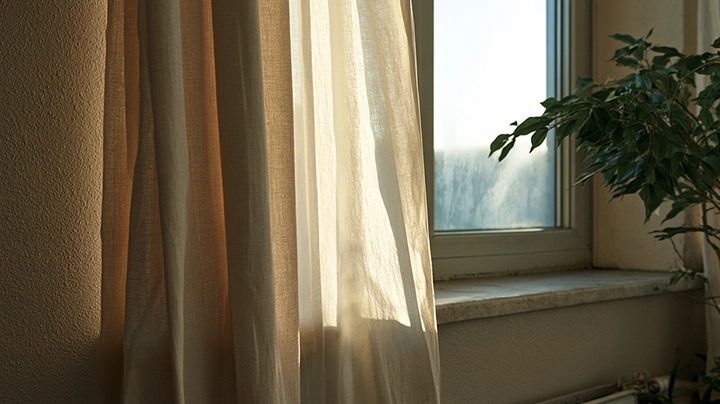
According to the EPA, excess indoor moisture is a key driver of mold growth, and research from the University of Minnesota confirms that windowsills are a prime mold hotspot acting as a landing zone for airborne spores. Every time you open or close a window, microscopic mold spores float inside and settle, waiting for the right conditions to grow.
The biggest contributor is condensation. When warm indoor air meets the cool surface of a window, moisture collects along the edges, creating a damp environment perfect for mold growth. Over time, without proper ventilation and cleaning, spores settle in and start spreading.
Cladosporium, one of the most widespread indoor molds, thrives in moist conditions and frequently appears on windows, walls, and fabrics. Cryptococcus, a fungus typically found in dust and soil, can easily enter homes through the air and settle on windowsills where moisture accumulates. Penicillium, best known for its antibiotic properties, is another fast-spreading mold species that quickly colonizes damp surfaces, including window frames and ledges. If these molds are left unchecked, they can contribute to poor indoor air quality and potential health risks, making regular cleaning and moisture control essential.

Indoor mold on window frame – Wikimedia Commons (CC BY-SA 4.0)
The Hidden Cost of Moldy Windowsills: Is It Affecting Your Health?
Mold on your windowsill might look like just a few harmless spots, but it could be doing more damage than you think. When mold grows, it releases tiny spores into the air—spores that you breathe in every day. EPA mentioned that for people with allergies or asthma, this can mean sneezing, coughing, and irritated eyes, and for some, it can even lead to long-term health issues.
The more moisture in your home, the faster mold spreads. If left alone, those small patches on your windowsill can turn into a much bigger problem, affecting your indoor air quality and overall well-being.

Wikimedia Commons (CC BY-SA 4.0)
How to Stop Mold on Windowsills
Stopping mold before it starts is the best strategy. Follow these simple but effective steps to keep your windowsills mold-free:
- Improve Ventilation – Keep windows open when possible, especially after showers or cooking, to let moisture escape. See EPA’s moisture control guidance.
- Reduce Condensation – Use moisture-absorbing materials, like silica gel or window insulation, to prevent water buildup. See EPA’s condensation prevention.
- Regular Cleaning – Wipe windowsills weekly with a mild detergent or vinegar solution to stop spores from taking hold. See CDC’s mold cleanup guidelines.
By taking these steps, you can improve air quality, prevent mold growth, and keep your windowsills clean and healthy.

Wikimedia Commons (CC BY-SA 4.0)
References
Official Guidance & Research
- EPA – Mold and Moisture
- EPA – Health Problems Linked to Indoor Mold
- EPA – Brief Guide to Mold, Moisture and Your Home
- EPA – Main Ways to Control Moisture in Your Home
- CDC – Mold Clean Up Guidelines
- CDC – About Mold
- University of Minnesota – Mold and Indoor Air Quality
Scientific & Educational Sources
- Mold – Wikipedia
- Spore – Wikipedia
- Condensation – Wikipedia
- Cladosporium – Wikipedia
- Cryptococcus – Wikipedia
- Penicillium – Wikipedia
Image Sources (All CC Licensed or Public Domain)
- Indoor Mold on Window Frame – Wikimedia Commons (CC BY-SA 4.0)
- Mold on Grout – Wikimedia Commons (CC BY-SA 4.0)
- Dehumidifiers – Wikimedia Commons (CC BY-SA 4.0)
Key Takeaways
- Windowsills may seem like a harmless surface, but if you’ve ever noticed dark spots or a musty smell, you could have a mold problem.
- So, why does mold keep showing up, and more importantly, how can you get rid of it for good?
- When warm indoor air meets the cool surface of a window, moisture collects along the edges, creating a damp environment perfect for mold growth.
- Cryptococcus, a fungus typically found in dust and soil, can easily enter homes through the air and settle on windowsills where moisture accumulates.
- Mold on your windowsill might look like just a few harmless spots, but it could be doing more damage than you think.
Frequently Asked Questions
Why Does Mold Grow on Windowsills?
According to the EPA, excess indoor moisture is a key driver of mold growth, and research from the University of Minnesota confirms that windowsills are a prime mold hotspot acting as a landing zone for airborne spores. Every time you open or close a window, microscopic mold spores float inside and
What should you know about the Hidden Cost of Moldy Windowsills: Is It Affecting Your Health??
Mold on your windowsill might look like just a few harmless spots, but it could be doing more damage than you think. When mold grows, it releases tiny spores into the air—spores that you breathe in every day. EPA mentioned that for people with allergies or asthma, this can mean sneezing, coughing, a
How to Stop Mold on Windowsills?
Stopping mold before it starts is the best strategy. Follow these simple but effective steps to keep your windowsills mold-free:
What are the key findings about Why Mold?
Windowsills may seem like a harmless surface, but if you’ve ever noticed dark spots or a musty smell, you could have a mold problem. Mold on windowsills is more than just an eyesore—it’s a sign that moisture is lingering and creating the perfect environment for fungal growth. So, why does mold keep
How does Why Mold affect public health or safety?
According to the EPA, excess indoor moisture is a key driver of mold growth, and research from the University of Minnesota confirms that windowsills are a prime mold hotspot acting as a landing zone for airborne spores. Every time you open or close a window, microscopic mold spores float inside and