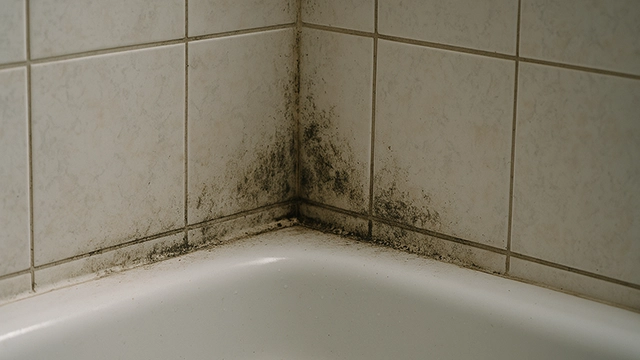

We’ve all seen it: no matter how new the apartment or how carefully it is cleaned, the bathroom is always the first place to sprout mold. Black dots creep along tile grout, green stains appear on ceilings, and shower curtains discolor despite scrubbing. Other rooms remain relatively unscathed, yet the bathroom seems cursed. The explanation goes far beyond the simple phrase “because it’s wet.” Mold chooses the bathroom first due to a scientific combination of humidity, warmth, building materials, and ventilation.
Humidity Peaks Every Day
Bathrooms experience dramatic humidity spikes every time water is used. A hot shower can push relative humidity above 90%, creating a tropical microclimate. Mold, however, needs only levels above ~70% to thrive, as shown in modelling studies of indoor mold growth. Worse still, condensation forms on mirrors, tiles, and ceilings, producing micro-droplets that act as reservoirs where spores can settle and germinate.

Warmth Like a Greenhouse
Mold also benefits from the warmth created by hot water use and enclosed spaces. Indoor growth accelerates within the 20–30 °C range, supported by predictive mold growth models. In colder months, while other rooms cool, bathrooms often remain warm and humid, creating a perfect “greenhouse” environment for spores.
Materials That Trap Moisture
The physical materials in bathrooms also give mold an advantage. Grout, silicone sealants, and porous surfaces can trap water and soap residue, providing both shelter and nutrition. Experimental research confirms that different building materials vary in susceptibility to fungal growth under humid conditions. Soft items like towels, bath mats, and curtains also dry slowly, offering extended periods for colonization.

Poor Ventilation as a Highway
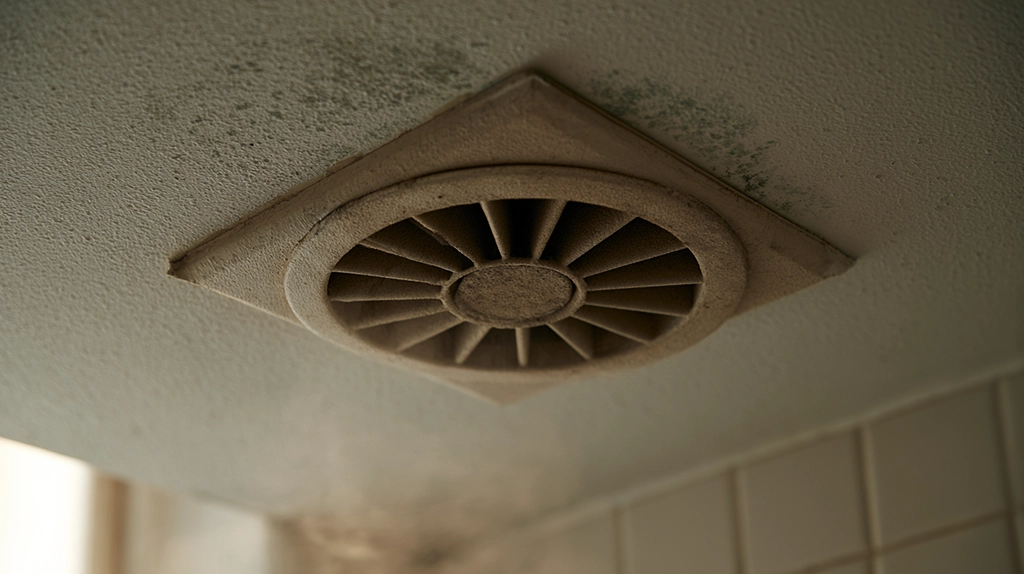
Ventilation—or lack of it—is another decisive factor. Many bathrooms rely solely on exhaust fans or small vents, which may be underpowered or not used long enough. As moist air lingers, surfaces remain damp. For airborne spores drifting in the home, the bathroom becomes an open exit ramp—an easy landing zone with ideal conditions to colonize.
Health Risks Behind the Spots
The visible stains are only part of the story. Indoor surveys consistently find Aspergillus, Penicillium, and Cladosporium dominating bathroom samples, fungi strongly linked to allergies and asthma. In persistently damp conditions, Stachybotrys chartarum (black mold) may appear, producing mycotoxins of health concern. Reviews also show that exposure to indoor fungi is associated with higher risks of respiratory symptoms, especially in children and sensitive groups.

Breaking the Mold Triangle
To combat bathroom mold, we must disrupt what might be called the “triangle of growth”: humidity, warmth, and nutrients. Run ventilation long after showering or open windows to hasten drying. Wipe surfaces to remove condensation. Clean grout and sealants regularly with diluted bleach or alcohol. Scrub off soap scum and residues that serve as food sources. If caulking or grout becomes stubbornly black, replacement with mold-resistant alternatives may be necessary.
The bathroom molds first not because it is the dirtiest spot, but because it offers the optimal conditions for fungi: humidity, warmth, poor ventilation, and organic nutrients. Understanding this logic shifts us from endless cleanup to strategic prevention. A quick-drying, well-ventilated bathroom that limits nutrient buildup is far less attractive to spores. In effect, dryness is not just aesthetic—it’s the most powerful defense against mold’s return.
Key Takeaways
- We’ve all seen it: no matter how new the apartment or how carefully it is cleaned, the bathroom is always the first place to sprout mold.
- The explanation goes far beyond the simple phrase “because it’s wet.” Mold chooses the bathroom first due to a scientific combination of humidity, warmth, building materials, and ventilation.
- Mold, however, needs only levels above ~70% to thrive, as shown in modelling studies of indoor mold growth.
- Indoor growth accelerates within the 20–30 °C range, supported by predictive mold growth models.
- Grout, silicone sealants, and porous surfaces can trap water and soap residue, providing both shelter and nutrition.
Frequently Asked Questions
What should you know about humidity Peaks Every Day?
Bathrooms experience dramatic humidity spikes every time water is used. A hot shower can push relative humidity above 90%, creating a tropical microclimate. Mold, however, needs only levels above ~70% to thrive, as shown in modelling studies of indoor mold growth. Worse still, condensation forms on
What should you know about warmth Like a Greenhouse?
Mold also benefits from the warmth created by hot water use and enclosed spaces. Indoor growth accelerates within the 20–30 °C range, supported by predictive mold growth models. In colder months, while other rooms cool, bathrooms often remain warm and humid, creating a perfect “greenhouse” environme
What should you know about materials That Trap Moisture?
The physical materials in bathrooms also give mold an advantage. Grout, silicone sealants, and porous surfaces can trap water and soap residue, providing both shelter and nutrition. Experimental research confirms that different building materials vary in susceptibility to fungal growth under humid c
What should you know about poor Ventilation as a Highway?
Ventilation—or lack of it—is another decisive factor. Many bathrooms rely solely on exhaust fans or small vents, which may be underpowered or not used long enough. As moist air lingers, surfaces remain damp. For airborne spores drifting in the home, the bathroom becomes an open exit ramp—an easy lan
What should you know about health Risks Behind the Spots?
The visible stains are only part of the story. Indoor surveys consistently find Aspergillus, Penicillium, and Cladosporium dominating bathroom samples, fungi strongly linked to allergies and asthma. In persistently damp conditions, Stachybotrys chartarum (black mold) may appear, producing mycotoxins