
The Mold That Doesn’t Knock
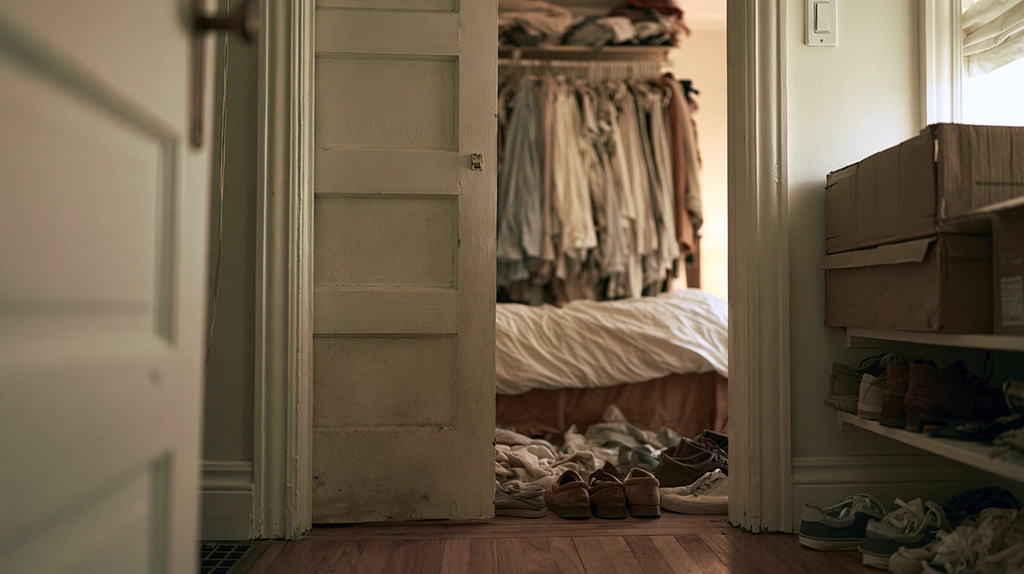
You saved. You signed the mortgage. You painted the nursery and picked out backsplash tiles. Everything felt like it was finally falling into place. But then, one day, you opened a closet door—and something smelled off. Maybe it was musty. Maybe it was damp. Maybe your child started coughing, and you just knew something wasn’t right.
Here’s the truth: mold doesn’t care about your zip code, your floor plan, or your bank account. It doesn’t wait for an invitation. It thrives on what modern homes accidentally offer in abundance—moisture, organic material, and time. And lately, it’s moving in fast.
Climate change shifts are driving up humidity. Homes are sealed tightly to save energy, sometimes trapping moisture inside. Construction is speeding up, which can leave materials damp and unprotected. Mold isn’t a thing of the past. It’s a symptom of the present.

Source: Wikimedia Commons, CC BY-SA 4.0
A Closet, A Baby, A Wake-Up Call
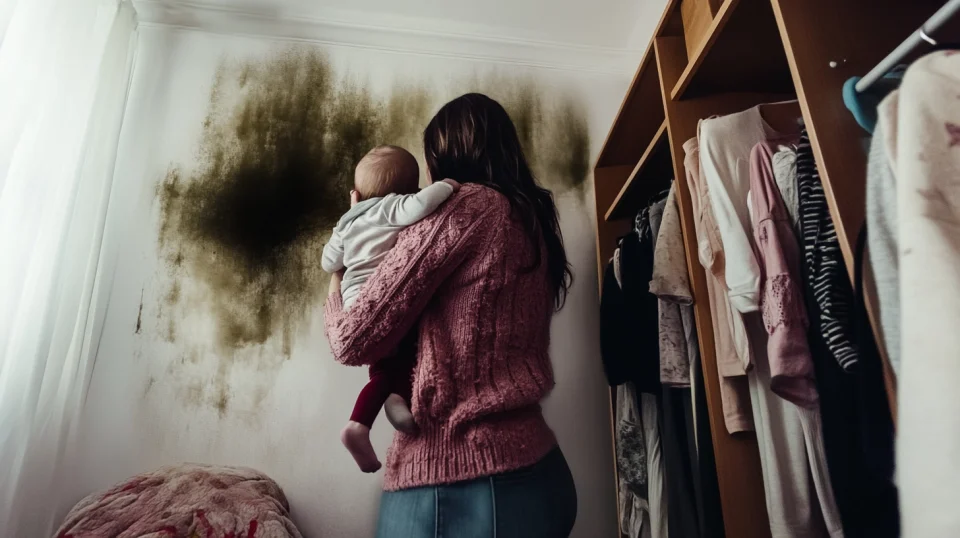
When Katie Elizabeth opened her baby’s closet and found a black patch of mold blooming quietly behind the clothes, she didn’t panic—she posted. Her TikTok video exploded, not because the story was shocking, but because it was familiar. Comments poured in:
“This happened to us too.”
“Our builder said it was just condensation.”
“We had to move out with our newborn.”
Katie’s story wasn’t an outlier—it was a mirror. Her closet became the symbol of something many people were dealing with but hadn’t named. Mold in new homes isn’t rare—it’s just rarely caught early.
If mold is growing behind one closet wall, chances are it’s not the only place. It might be in the attic, the HVAC, the subfloor. Moisture doesn’t stay in one spot—and neither does mold.
More Than Stains on a Wall
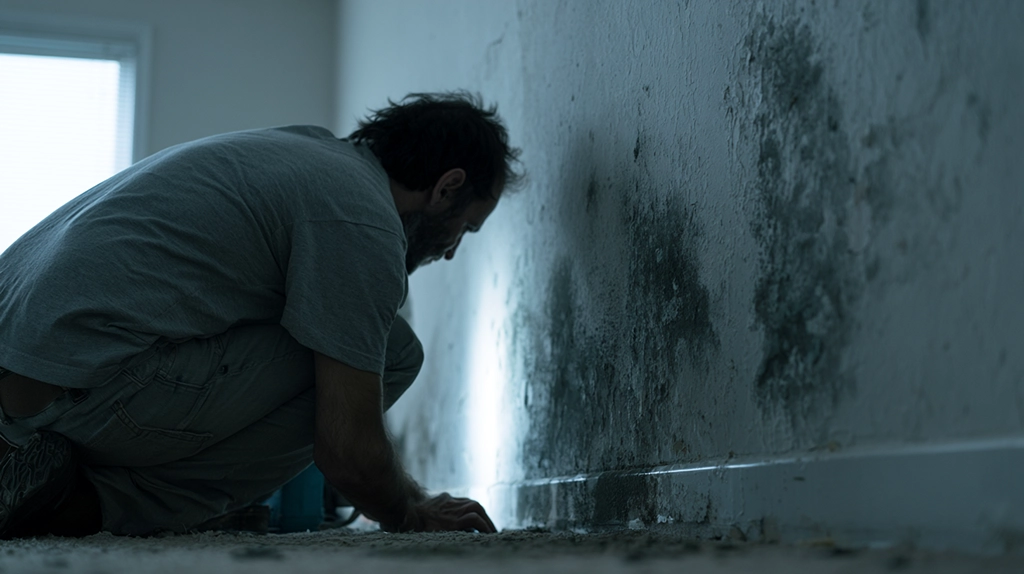
Mold doesn’t just mess with your resale value. It messes with your health. We’re talking Sick Building Syndrome (SBS), which gives fatigue, sinus infections, brain fog, skin issues, asthma, chronic coughing—especially in kids. It sneaks in slowly, and before you know it, your family is feeling sick, and no one can explain why.
The Centers for Disease Control and Prevention (CDC) warns that mold can aggravate asthma and trigger serious allergic reactions. The Environmental Protection Agency (EPA) adds that mold thrives indoors when moisture isn’t controlled—and there are no national standards for safe mold levels in homes. That means there’s no required testing. No guaranteed screening before a sale. And no consistent way for buyers to know what they’re walking into.
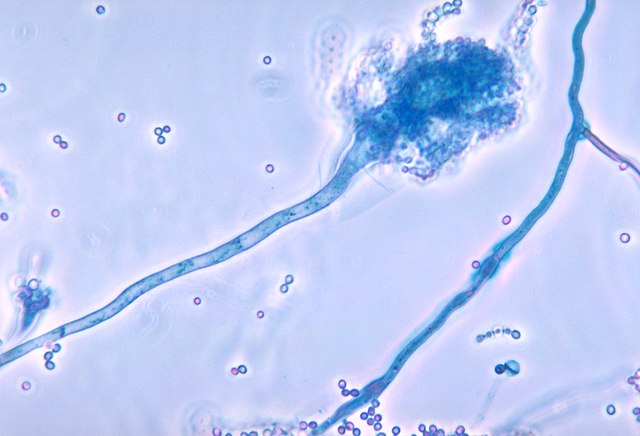
Source: Wikimedia Commons, CC BY-SA 3.0
How to Spot Trouble Before You Buy
If you’re looking to buy a home, here’s what to keep in mind:
- Smell the space. Musty odors are a red flag, even if everything looks clean.
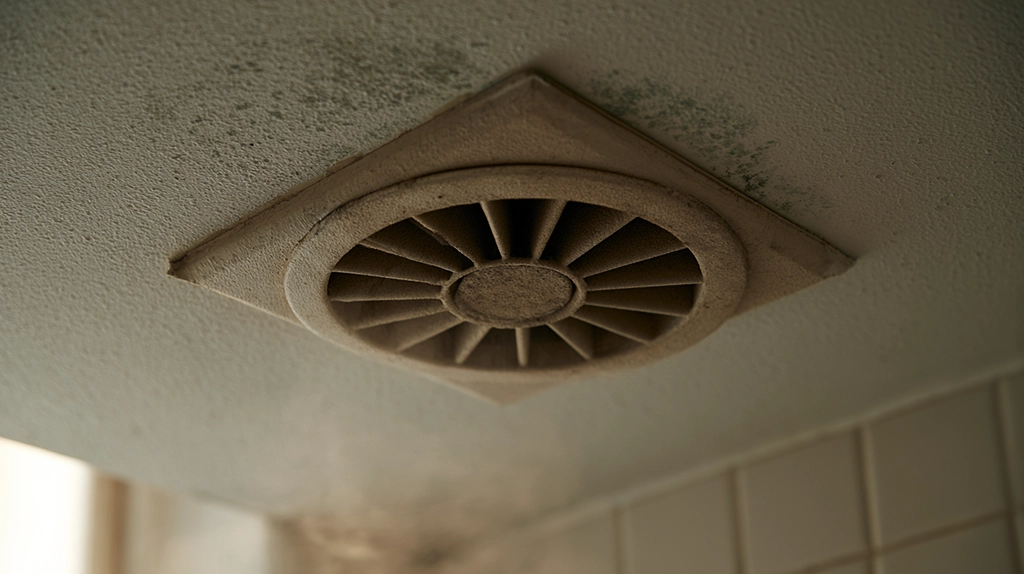
- Check windows and vents. Condensation on windows, rust around vents, or mildew around caulking can all be signs of trapped humidity.
- Inspect the closets. Especially those against exterior walls. Closets often hide mold because they’re dark and rarely ventilated.
- Look at the attic and basement. These spaces often reveal hidden leaks or poor ventilation.
- Ask about history. Even if it’s not legally required, ask sellers about past leaks, water damage, or repairs.
- Get a professional inspection. Choose someone with mold and moisture detection experience, not just general structural knowledge.
When Safety Starts to Feel Like a Lie
You bought that house thinking it would bring peace. You trusted the process. But instead, you’re chasing down air quality tests, calling remediation crews, and watching your kid wheeze in their own bedroom. And all you hear back is, “You’re probably just being sensitive.”
No. You’re not. You’re being protective. You’re being smart. And you’re not alone.
This hits hardest for those with the least room to fight back: first-time buyers, renters, families juggling jobs and childcare. You shouldn’t need a lawyer to feel safe. You shouldn’t need to pay for repairs before you’ve even unpacked.
What You Can Do
If something feels off—trust that feeling. A musty smell? A weird cough that won’t go away? Peeling paint or sticky windows? Mold might be there, even if you can’t see it.
Document what you find. Ask for an air test. Talk to your neighbors—chances are, if your home has mold, theirs might too. And if you feel brave enough, share your story. Because mold thrives in silence. And silence is what allows it to spread.

Source: Wikimedia Commons, CC BY-SA 4.0
It’s Time to Be Proactive
This isn’t about being dramatic. It’s about being safe. It’s about fighting for the basic right to breathe clean air in the one place that’s supposed to protect us: home.
You’re not overreacting. You’re waking up. And your voice—your story—might be exactly what someone else needs to hear.
Because if mold is the symptom, then silence is the disease. And we don’t stay silent anymore.
References
- Centers for Disease Control and Prevention (CDC) – Mold Overview
- Environmental Protection Agency (EPA) – Mold Resources
- World Health Organization (WHO) – Asthma Fact Sheet
- IPCC – Climate Change Reports
- Wikipedia – Sick Building Syndrome, Aspergillus, TikTok
Key Takeaways
- You painted the nursery and picked out backsplash tiles.
- But then, one day, you opened a closet door—and something smelled off.
- It thrives on what modern homes accidentally offer in abundance—moisture, organic material, and time.
- Construction is speeding up, which can leave materials damp and unprotected.
- “This happened to us too.”“Our builder said it was just condensation.”“We had to move out with our newborn.”
Frequently Asked Questions
What should you know about the Mold That Doesn’t Knock?
You saved. You signed the mortgage. You painted the nursery and picked out backsplash tiles. Everything felt like it was finally falling into place. But then, one day, you opened a closet door—and something smelled off. Maybe it was musty. Maybe it was damp. Maybe your child started coughing, and yo
What should you know about a Closet, A Baby, A Wake-Up Call?
When Katie Elizabeth opened her baby’s closet and found a black patch of mold blooming quietly behind the clothes, she didn’t panic—she posted. Her TikTok video exploded, not because the story was shocking, but because it was familiar. Comments poured in:
What should you know about more Than Stains on a Wall?
Mold doesn’t just mess with your resale value. It messes with your health. We’re talking Sick Building Syndrome (SBS), which gives fatigue, sinus infections, brain fog, skin issues, asthma, chronic coughing—especially in kids. It sneaks in slowly, and before you know it, your family is feeling sick,
How to Spot Trouble Before You Buy?
If you’re looking to buy a home, here’s what to keep in mind:
When Safety Starts to Feel Like a Lie?
You bought that house thinking it would bring peace. You trusted the process. But instead, you’re chasing down air quality tests, calling remediation crews, and watching your kid wheeze in their own bedroom. And all you hear back is, “You’re probably just being sensitive.”